New Solid Waste Management Rules: Penalties and Who Must Comply From April 1
New Solid Waste Management Rules effective April 1 outline penalties, segregation norms, and clarify who must comply nationwide.

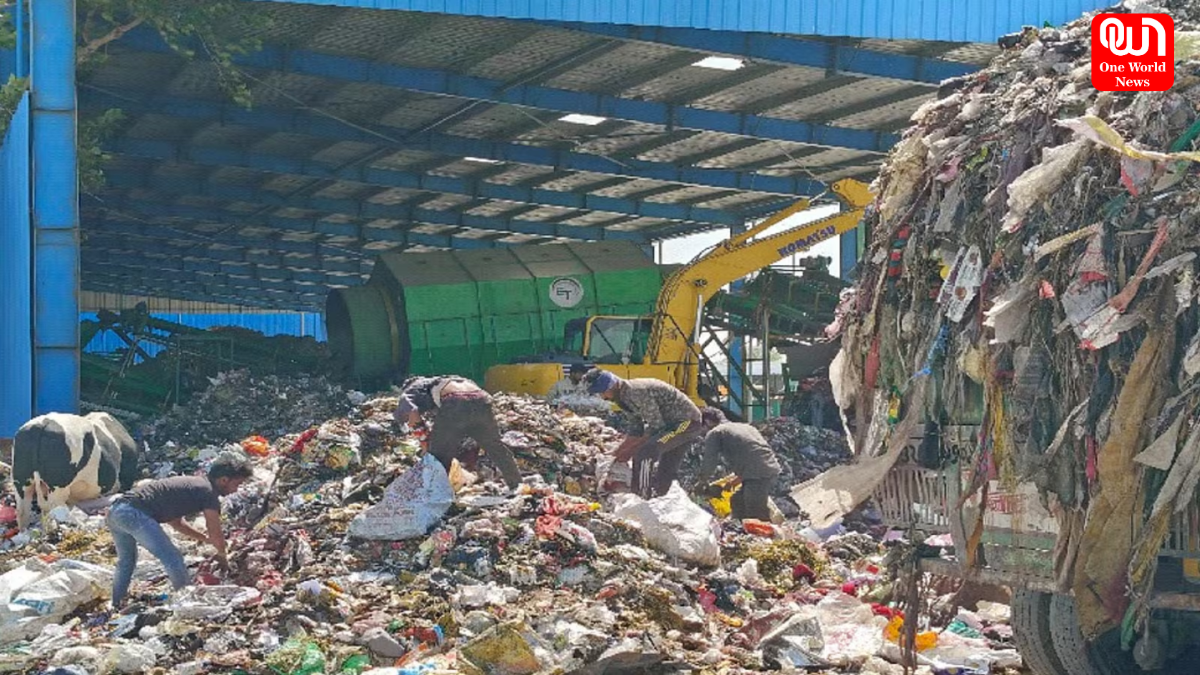
New Solid Waste Management Rules Effective From April 1: Penalties, Compliance Guidelines and Who Must Follow Them
The New Solid Waste Management Rules coming into effect from April 1 mark a significant shift in how waste is handled, segregated, and monitored across the country. These updated regulations aim to strengthen environmental protection, improve urban cleanliness, and ensure accountability at every level — from households to corporations.
With stricter penalties and clearer compliance guidelines, the new framework is designed to address long-standing gaps in waste segregation and disposal systems.
What Are the New Solid Waste Management Rules?
The New Solid Waste Management Rules introduce tighter controls on waste segregation at source, mandatory composting for bulk waste generators, stricter monitoring of plastic waste, and enhanced penalties for violations.
The rules emphasize the “segregation at source” model, requiring individuals and institutions to separate waste into categories such as biodegradable, non-biodegradable, and hazardous waste before disposal. Authorities have stressed that proper segregation is the foundation of efficient recycling and landfill reduction.
Municipal bodies are also expected to improve door-to-door collection systems and ensure separate transportation of segregated waste.
Who Do the New Rules Apply To?
A common question surrounding the New Solid Waste Management Rules is whether they apply to everyone. The answer is yes — but with varying degrees of responsibility.
The rules apply to:
-
Individual households
-
Residential societies and gated communities
-
Commercial establishments
-
Offices and institutions
-
Hotels and restaurants
-
Hospitals and healthcare facilities
-
Bulk waste generators
-
Event organizers
Bulk waste generators, such as large housing complexes and commercial facilities, face stricter obligations. They are required to process wet waste on-site through composting or other approved methods.
Read more: AI Summit 2026 India: Vision for India Among Top Three AI Superpowers by 2047
Penalties for Non-Compliance
One of the most notable features of the New Solid Waste Management Rules is the introduction of stricter penalties.
Individuals who fail to segregate waste or dispose of it responsibly may face monetary fines imposed by municipal authorities. Repeat offenders could face higher penalties or additional enforcement action.
For businesses and bulk waste generators, penalties are more substantial. Non-compliance may lead to fines, cancellation of licenses, or restrictions on operations until corrective measures are taken.
Authorities have clarified that enforcement will be stricter to ensure that the rules are not treated as optional guidelines but as mandatory requirements.
How to Follow the New Solid Waste Management Rules
Complying with the New Solid Waste Management Rules does not require complex procedures. The basic steps include:
-
Segregate waste into at least three categories — wet, dry, and hazardous.
-
Use separate bins for each category.
-
Avoid mixing food waste with recyclable materials.
-
Ensure proper disposal of electronic waste and medical waste.
-
Bulk generators should establish on-site composting systems where required.
Residents’ associations and commercial establishments are encouraged to conduct awareness sessions to educate members and employees about proper waste segregation practices.
Why These Rules Matter
Rapid urbanization and population growth have significantly increased waste generation. Without proper management, waste leads to pollution, public health risks, and environmental degradation.
The New Solid Waste Management Rules aim to reduce landfill dependency, improve recycling rates, and promote sustainable practices. By encouraging segregation at source, authorities hope to streamline the recycling process and reduce the burden on waste treatment facilities.
The rules also align with broader sustainability goals and climate commitments by reducing methane emissions from landfills.
Challenges in Implementation
While the new framework is comprehensive, implementation remains the key challenge. Public awareness, infrastructure readiness, and consistent enforcement will determine the effectiveness of the rules.
Municipal bodies must ensure timely collection and proper handling of segregated waste. Without systemic support, individual compliance alone may not yield the intended results.
Read more: Indus Water: India to Stop Ravi Waters to Pakistan As Shahpur Kandi Dam Nears Finish
What Citizens Should Do Now
With the New Solid Waste Management Rules effective from April 1, citizens and businesses should review local municipal guidelines and prepare accordingly. Setting up proper bins, educating household members, and understanding local collection schedules can help ensure smooth compliance.
Environmental experts emphasize that waste management is a shared responsibility. The success of these rules depends not just on enforcement but on collective participation.
We’re now on WhatsApp. Click to join.
Like this post?
Register at One World News to never miss out on videos, celeb interviews, and best reads.