
What Is Alzheimer’s Disease?
What Is Alzheimer’s disease? Learn about its causes, symptoms, stages, and how it affects memory, thinking, and daily life.

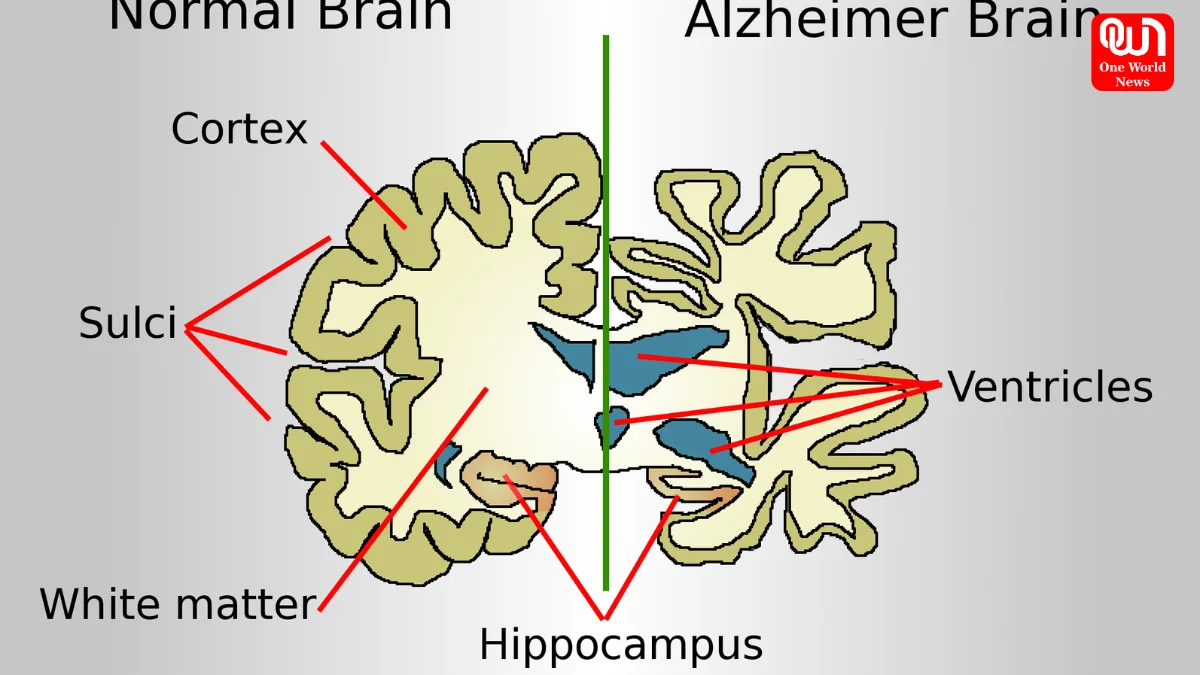
What Is Alzheimer’s Disease: Understanding the Causes, Symptoms, and Impact of the Most Common Form of Dementia
What Is Alzheimer’s disease is a question many people ask when they begin noticing memory loss or changes in thinking — either in themselves or in loved ones. Alzheimer’s disease is a progressive neurological disorder that affects the brain, leading to problems with memory, thinking, behavior, and the ability to perform everyday activities.
It is the most common cause of dementia, accounting for the majority of dementia cases worldwide. The condition worsens over time and currently has no cure, but early diagnosis and care can significantly improve quality of life.
How Alzheimer’s Disease Affects the Brain
Alzheimer’s disease damages brain cells and disrupts communication between them. Over time, affected brain cells die, causing the brain to shrink. Two abnormal structures are commonly associated with the disease: amyloid plaques and tau tangles. These interfere with how brain cells function and survive.
Read more: Dhurandhar Tops Netflix Charts Across Multiple Countries
As more brain regions are affected, a person’s ability to remember, reason, communicate, and make decisions gradually declines. This explains why Alzheimer’s is not just about memory loss but impacts overall cognitive function.
Common Symptoms of Alzheimer’s Disease
The symptoms of Alzheimer’s disease usually develop slowly and worsen over the years. Early signs are often subtle and may be mistaken for normal aging.
Common early symptoms include:
-
Difficulty remembering recent events or conversations
-
Repeating questions or statements
-
Misplacing items and being unable to retrace steps
-
Trouble finding words
As the disease progresses, symptoms may include:
-
Confusion about time and place
-
Difficulty recognizing familiar people
-
Changes in mood, personality, or behavior
-
Trouble with daily tasks such as cooking or managing finances
In later stages, individuals may lose the ability to speak, walk, or care for themselves, becoming fully dependent on others.
What Causes Alzheimer’s Disease?
The exact cause of Alzheimer’s disease is not fully understood. However, researchers believe it results from a combination of genetic, environmental, and lifestyle factors.
Age is the greatest known risk factor, with most cases occurring in people over 65. Family history and genetics can increase risk, especially if close relatives have had the disease. Other factors such as heart health, education level, head injuries, and overall lifestyle may also influence risk.
It is important to note that Alzheimer’s is not caused by normal aging, even though age increases vulnerability.
Stages of Alzheimer’s Disease
Alzheimer’s disease typically progresses through three main stages:
Early Stage (Mild):
Individuals may function independently but experience memory lapses and difficulty organizing or planning.
Middle Stage (Moderate):
This is often the longest stage. Memory loss becomes more pronounced, confusion increases, and assistance with daily activities is needed.
Late Stage (Severe):
Cognitive abilities decline significantly. Individuals may lose the ability to communicate and require full-time care.
Understanding these stages helps families prepare emotionally and practically for changing care needs.
Diagnosis and Treatment
There is no single test to diagnose Alzheimer’s disease. Doctors use a combination of medical history, cognitive tests, physical exams, and brain imaging to make a diagnosis.
While there is currently no cure, treatments are available to help manage symptoms. Medications may temporarily improve memory or slow cognitive decline in some individuals. Non-medical approaches such as cognitive stimulation, structured routines, and emotional support are equally important.
Early diagnosis allows individuals and families to plan care, manage symptoms, and access support services sooner.
Living With Alzheimer’s Disease
Living with Alzheimer’s disease is challenging, not only for those diagnosed but also for caregivers and families. Emotional stress, physical demands, and financial strain are common.
Read more: Paro Pinaki Ki Kahani: A Heartfelt Story of Love, Struggle, and Hope
Support systems, caregiver education, and community resources play a vital role in maintaining dignity and quality of life. Creating a safe, familiar environment and maintaining social connections can make a meaningful difference.
Why Awareness Matters
Understanding what is Alzheimer’s disease is essential as populations age worldwide. Awareness helps reduce stigma, encourages early diagnosis, and promotes research and support for those affected.
Alzheimer’s disease is more than memory loss — it is a condition that affects identity, independence, and relationships. Education and compassion remain key to addressing its growing global impact.
We’re now on WhatsApp. Click to join.
Like this post?
Register at One World News to never miss out on videos, celeb interviews, and best reads.