Why Yellow Flowers Are Offered on Basant Panchami
Yellow Flowers on Basant Panchami symbolize knowledge, prosperity, and new beginnings, deeply linked to spring, learning, and spirituality.

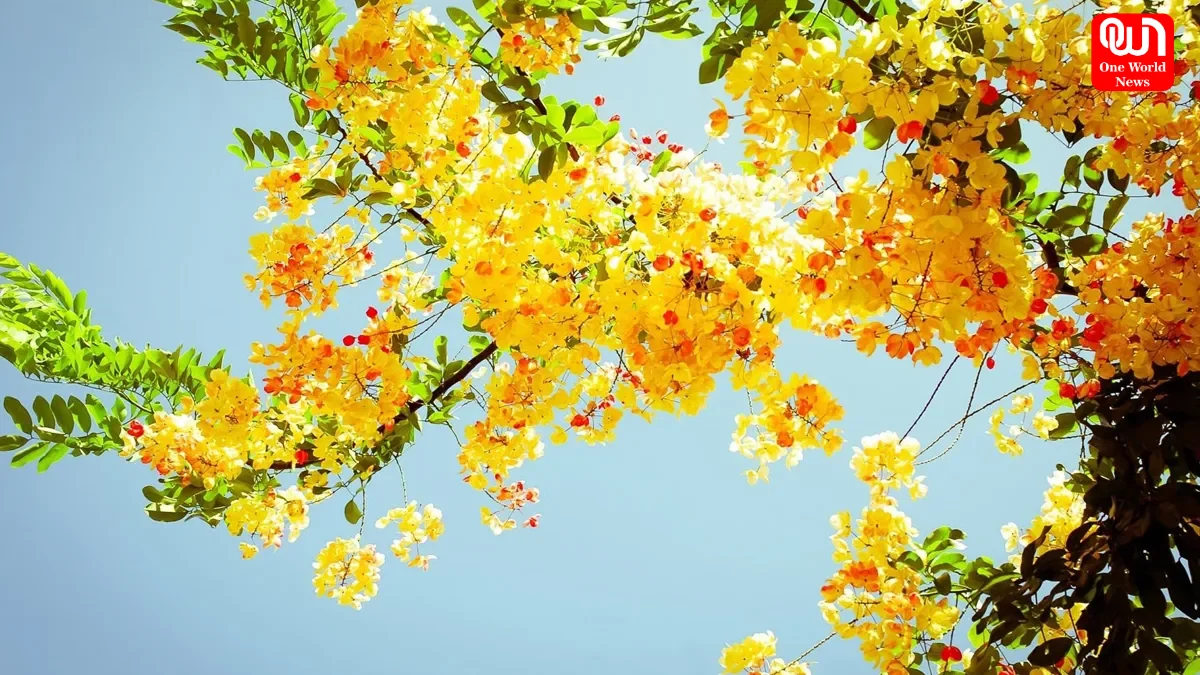
Why Yellow Flowers Are Offered on Basant Panchami: Spiritual Meaning, Symbolism, and Cultural Significance
Basant Panchami is one of the most vibrant and spiritually uplifting festivals in Indian culture. Celebrated as the arrival of spring, the festival marks renewal, learning, and positivity. One of the most prominent features of this day is the offering of Yellow Flowers, a ritual deeply rooted in symbolism and spiritual meaning.
The color yellow dominates Basant Panchami celebrations — from clothing and food to decorations and offerings. But why are Yellow Flowers considered so important on Basant Panchami? The answer lies in nature, spirituality, and centuries-old tradition.
Basant Panchami and the Arrival of Spring
Basant Panchami signals the transition from winter to spring, a season associated with growth, fertility, and new beginnings. Fields begin to bloom, mustard crops turn the landscape golden, and nature reflects freshness and hope.
The color yellow naturally represents this transformation. It mirrors sunlight, warmth, and energy — all essential elements for life. Offering Yellow Flowers on Basant Panchami is a way of aligning human rituals with nature’s rhythm.
Spiritual Significance of Yellow Flowers
In spiritual symbolism, yellow is associated with clarity, wisdom, and enlightenment. It represents the awakening of consciousness and the pursuit of knowledge. On Basant Panchami, Yellow Flowers are offered as a symbol of inner illumination and mental purity.
Flowers themselves are considered pure expressions of devotion. When combined with the color yellow, they become a powerful spiritual offering that signifies optimism, learning, and divine grace.
Connection to Learning and Wisdom
Basant Panchami is traditionally linked with education, creativity, and intellectual growth. Students begin new lessons, artists seek inspiration, and knowledge is honored as a sacred pursuit.
Yellow Flowers symbolize mental sharpness and intellectual energy. Offering them reflects a prayer for clarity of thought, creativity, and success in learning. This is why the festival is especially significant for students, teachers, writers, and artists.
Cultural Meaning Behind Yellow on Basant Panchami
Culturally, yellow represents prosperity and auspiciousness. During Basant Panchami, people wear yellow clothes, prepare yellow-colored food, and decorate spaces with Yellow Flowers to invite positivity and abundance.
This tradition also reflects agricultural roots. The yellow mustard fields blooming during this season symbolize wealth, nourishment, and the promise of a good harvest. The ritual of offering Yellow Flowers honors this connection between nature, sustenance, and human life.
Yellow Flowers as a Symbol of Hope and Renewal
Flowers bloom after periods of dormancy, making them a natural symbol of renewal. On Basant Panchami, Yellow Flowers represent hope, fresh beginnings, and the courage to move forward.
The act of offering flowers is also a reminder of impermanence — flowers bloom and fade, teaching humility and gratitude. Their yellow hue reinforces optimism, encouraging individuals to welcome change with a positive mindset.
Read more: Political Roundup: Key Global Power Shifts on Jan 17, 2026
Psychological Impact of the Color Yellow
Beyond tradition and spirituality, the color yellow has a strong psychological influence. It is associated with happiness, confidence, and motivation. Surrounding oneself with yellow elements during Basant Panchami creates an uplifting atmosphere that enhances emotional well-being.
Offering Yellow Flowers is not just a ritual; it subconsciously inspires positivity, mental clarity, and enthusiasm — emotions that align perfectly with the spirit of the festival.
Modern Relevance of the Tradition
Even in contemporary times, the tradition of offering Yellow Flowers on Basant Panchami remains relevant. In a fast-paced world filled with stress and uncertainty, the festival encourages people to pause, reconnect with nature, and focus on learning and personal growth.
Schools, cultural institutions, and families continue to observe this ritual, preserving its symbolic meaning while adapting it to modern lifestyles.
Read more: PM Modi Reviews Bangalore Suburban Rail Project, Pushes States to Speed Up Delayed Works
A Celebration of Balance Between Nature and Knowledge
At its core, Basant Panchami celebrates harmony — between nature and human effort, spirituality and intellect, tradition and progress. Yellow Flowers perfectly embody this balance, representing growth rooted in wisdom.
They remind us that true prosperity comes not only from material success but from knowledge, clarity, and inner peace.
Conclusion
The offering of Yellow Flowers on Basant Panchami is a beautiful tradition layered with spiritual, cultural, and natural significance. It celebrates the arrival of spring, honors the pursuit of knowledge, and spreads optimism and renewal.
More than a ritual, it is a symbolic gesture — a reminder to embrace learning, positivity, and new beginnings with an open heart and a clear mind.
As the flowers bloom and the world turns golden, Basant Panchami invites everyone to grow, learn, and welcome light into their lives.
We’re now on WhatsApp. Click to join.
Like this post?
Register at One World News to never miss out on videos, celeb interviews, and best reads.