Jayadeva: The Divine Poet Behind Gita Govinda
Jayadeva was a 12th-century poet whose Gita Govinda transformed devotion into poetry, blending love, faith, and spirituality.

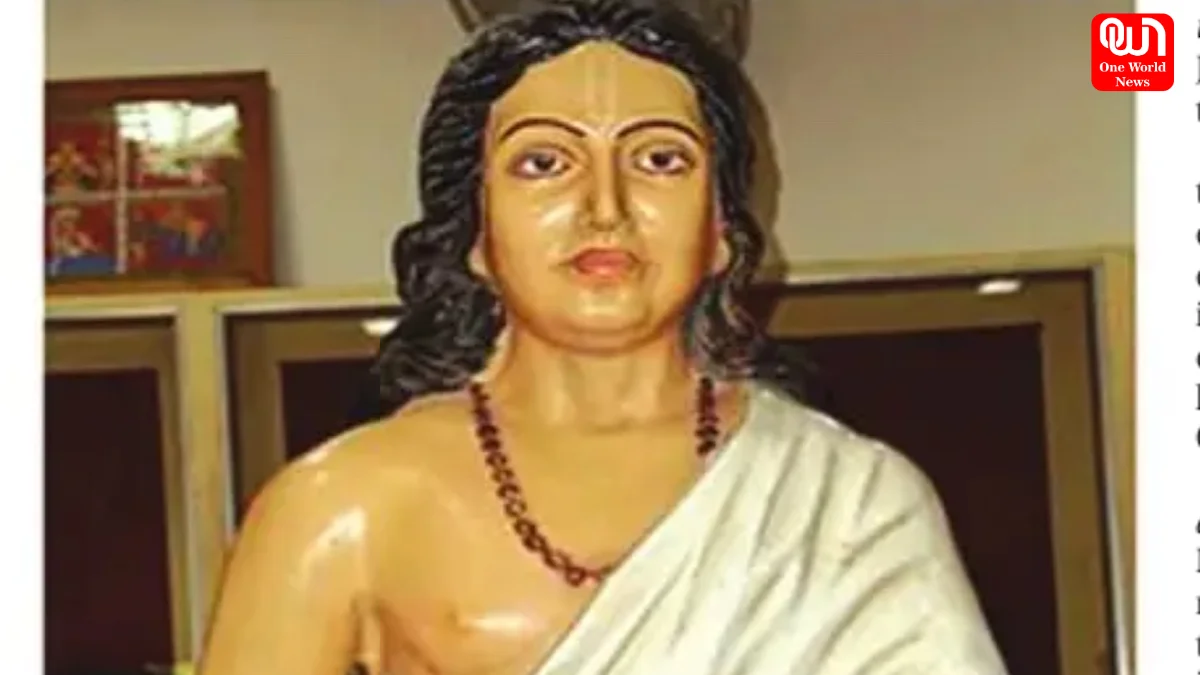
Jayadeva and Gita Govinda: The Forgotten Poet Who Turned Devotion into Divine Poetry
History often remembers kings, warriors, and empires, but it quietly forgets the poets whose words shaped the soul of civilization. Among those forgotten voices is Jayadeva, a 12th-century poet whose verses did not merely describe devotion — they made devotion sing.
Jayadeva was not just a literary figure. He was a devotee, a seeker, and a bridge between human emotion and divine surrender. His life and work remind us that faith was once expressed not through force or doctrine, but through beauty, music, and love.
A Poet Born of Devotion
Born in the 12th century, Jayadeva lived during a period when the Bhakti movement was reshaping spiritual expression across India. Unlike philosophical texts that spoke in abstraction, Bhakti emphasized personal connection with the divine — and Jayadeva embodied this spirit completely.
For him, poetry was not performance. It was prayer.
Every verse he wrote bowed before Lord Krishna. His devotion was intimate, emotional, and deeply human, showing that longing itself could be sacred.
Gita Govinda: Where Love Meets the Divine
Jayadeva’s masterpiece, Gita Govinda, stands as one of the most influential works of devotional literature in Indian history. It is not merely a poem or a song cycle — it is a spiritual dialogue between Radha and Krishna.
In Gita Govinda, love is not portrayed as weakness or distraction. Instead, it becomes the highest form of devotion. Radha’s yearning and Krishna’s response symbolize the eternal relationship between the soul and the divine.
This fusion of romance and spirituality was revolutionary. Jayadeva showed that divine love could be tender, emotional, and deeply personal — not distant or fear-driven.
A Legend Written by Faith
One of the most enduring legends surrounding Jayadeva reveals the depth of his devotion. It is said that while composing Gita Govinda, he hesitated to write a verse in which Krishna bows at Radha’s feet. To him, the image felt too bold, too humbling for the divine.
Overwhelmed, he left the work unfinished.
When he returned, the verse had already been written — in his own handwriting.
Faith holds that Krishna himself completed the poem.
Whether viewed as legend or symbolism, the story reflects Jayadeva’s belief that devotion flows not from ego, but from surrender.
Read more: Political Roundup: Major Global and Indian Political Developments on Jan 3, 2026
Living Poetry in Temple and Dance
Even centuries later, Jayadeva’s words remain alive. Tradition holds that verses from Gita Govinda are still sung in the Jagannath Temple of Puri, where devotion is believed to be both heard and felt.
Beyond temples, his poetry shaped India’s classical arts. Odissi, Bharatanatyam, and Kathak absorbed Jayadeva’s verses into their movements. Every gesture, pause, and expression in these dance forms carries echoes of his poetry.
Through rhythm and motion, Jayadeva continues to speak — even when his name is forgotten.
Why Jayadeva Faded from Memory
Despite his immense influence, Jayadeva rarely appears in popular historical narratives today. Outside academic circles and devotional spaces, his name is unfamiliar to many.
This forgetting raises uncomfortable questions. How many voices shaped our cultural and spiritual identity, only to be silenced by time? How many creators are remembered only through their work, while their lives disappear?
Jayadeva became a victim of this quiet erasure.
Why Remembering Jayadeva Matters
Remembering Jayadeva is not just about honoring a poet. It is about reclaiming a worldview where devotion was gentle, art was sacred, and love was spiritual.
In an age of noise and speed, Jayadeva teaches pause.
In an age of doubt, he teaches surrender.
In an age of forgetting, he teaches remembrance.
Reas more: Political Roundup: Global and Indian Political Pulse on Jan 4, 2026
A Legacy That Still Sings
Jayadeva was not merely a poet of his time.
He was a divine voice that shaped centuries of devotion.
A bridge between emotion and eternity.
A reminder that faith once shaped civilizations through beauty, not fear.
To remember Jayadeva is to resist forgetting.
And sometimes, remembering is the most powerful act of all.
We’re now on WhatsApp. Click to join.
Like this post?
Register at One World News to never miss out on videos, celeb interviews, and best reads.