
Basant Panchami 2026: Meaning, Traditions, and Cultural Importance
Basant Panchami 2026 marks the arrival of spring and honors Goddess Saraswati, celebrating learning, culture, and renewal across India.

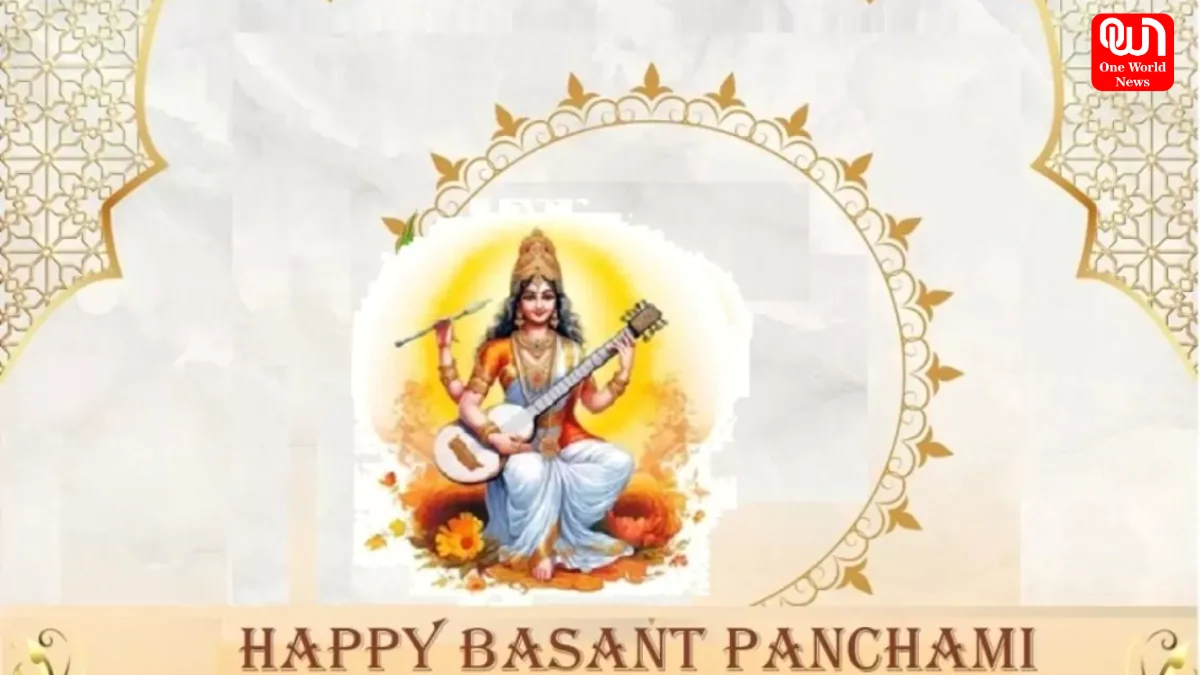
Basant Panchami 2026: Significance, History, Rituals, and Why the Festival Welcomes Spring and Knowledge
Basant Panchami 2026 is a vibrant Indian festival that marks the arrival of spring and celebrates knowledge, creativity, and renewal. Observed on the fifth day (Panchami) of the bright half of the Hindu month of Magha which in 2026 on 23 Jan, the festival is dedicated to Goddess Saraswati, the deity of learning, wisdom, music, and art.
Across India, Basant Panchami brings a sense of optimism, freshness, and intellectual awakening, symbolized by the color yellow and blooming mustard fields.
Read more: Oscars 2026: Homebound Earns India a Spot on International Feature Film Shortlist
The Meaning of Basant Panchami
The word “Basant” means spring, while “Panchami” refers to the fifth lunar day. Together, Basant Panchami represents the transition from winter to spring — a season associated with growth, clarity, and new beginnings.
In Hindu tradition, this day is considered highly auspicious for starting education, artistic pursuits, and intellectual endeavors. Many families choose Basant Panchami 2026 to introduce young children to learning through rituals like Vidyarambh or Akshar Abhyas, where a child writes their first letters.
Mythological and Historical Significance
According to Hindu mythology, Goddess Saraswati emerged on this day to bring wisdom and order to the world. She is depicted wearing white, seated on a lotus, holding a veena, and symbolizing purity of thought and knowledge.
Ancient texts and traditions associate Basant Panchami with scholars, poets, and thinkers. Historically, the festival was widely celebrated in royal courts and educational institutions, where learning and arts were deeply revered.
Over time, Basant Panchami 2026 continues this legacy by emphasizing the importance of education and cultural refinement in modern life.
https://www.urbanmoney.com/indian-holidays/basant-panchami
Why Yellow Dominates Basant Panchami
Yellow is the defining color of Basant Panchami. It represents energy, optimism, prosperity, and the vibrancy of spring. The color is inspired by mustard flowers that bloom during this season across northern India.
People wear yellow clothes, prepare yellow-colored food, and decorate homes and temples with yellow flowers. Dishes like kesari halwa, saffron rice, boondi, and sweet rice are commonly prepared as offerings and festive meals.
Rituals and Celebrations Across India
On Basant Panchami 2026, devotees wake up early, take a ritual bath, and offer prayers to Goddess Saraswati. Books, musical instruments, and study materials are placed near the deity to seek blessings for wisdom and success.
In schools and colleges, Saraswati Puja is performed with devotion. Students, teachers, artists, and musicians participate, making it one of the most culturally significant festivals for academic communities.
In eastern India, especially in West Bengal, Odisha, and Bihar, the festival is celebrated with grand Saraswati Puja rituals. In Punjab and Haryana, Basant Panchami is linked to kite flying, symbolizing freedom and joy.
Basant Panchami and Education
One of the most important aspects of Basant Panchami is its deep connection with learning. The festival emphasizes respect for knowledge and teachers, a value rooted in Indian civilization for centuries.
Many parents choose Basant Panchami 2026 to begin their child’s formal education, believing that blessings received on this day lead to intellectual growth and clarity of thought.
For artists, writers, and musicians, the day holds special meaning as they seek inspiration and creative energy from Goddess Saraswati.
Cultural and Seasonal Importance
Beyond religion, Basant Panchami is a celebration of nature’s renewal. It marks longer days, warmer weather, and agricultural prosperity. Farmers view the season as a sign of upcoming harvests, while communities welcome change and growth.
The festival’s joyful tone reflects harmony between humans, nature, and knowledge — a balance that remains relevant even in modern times.
Read more: Payal Gaming Viral Intimate Video Triggers Deepfake Claims, Fans Push Back
Why Basant Panchami Still Matters Today
In a fast-paced digital world, Basant Panchami 2026 serves as a reminder of the value of wisdom, patience, and learning. It encourages people to pause, reflect, and reconnect with education, creativity, and cultural roots.
The festival’s emphasis on knowledge over material wealth gives it timeless relevance, making it more than just a seasonal celebration.
Conclusion
Basant Panchami 2026 is not only a festival welcoming spring but also a tribute to learning, culture, and intellectual growth. Through its rituals, colors, and traditions, it celebrates the power of knowledge to transform lives.
As spring blossoms and yellow hues brighten the land, Basant Panchami continues to inspire generations to seek wisdom, creativity, and harmony — values that remain essential in every era.
We’re now on WhatsApp. Click to join.
Like this post?
Register at One World News to never miss out on videos, celeb interviews, and best reads.