5 Religious Trips Every Christian Should Take
For Christians seeking to deepen their faith and connect with the roots of Christianity, there's no substitute for walking in the footsteps of biblical figures.

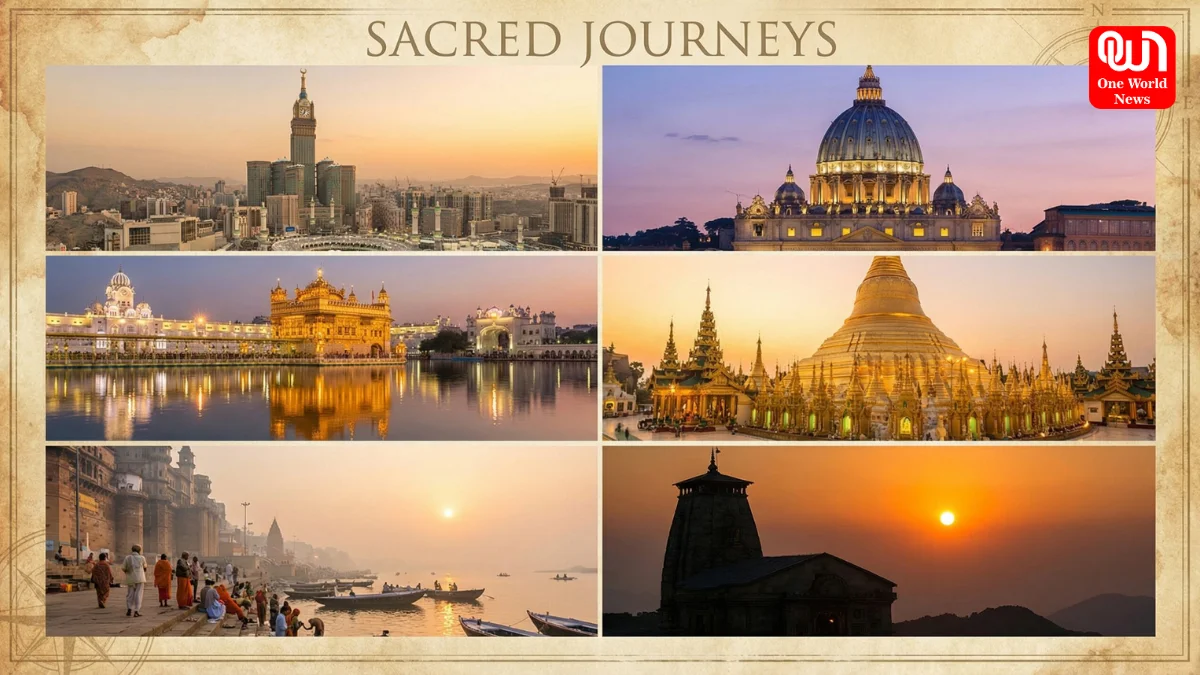
For Christians seeking to deepen their faith and connect with the roots of Christianity, there’s no substitute for walking in the footsteps of biblical figures. Religious travel offers a unique opportunity to transform scripture from words on a page into tangible experiences that can profoundly impact your spiritual journey. While there are countless destinations worth exploring, certain pilgrimages stand out as truly transformative experiences that every believer should consider at least once in their lifetime.
The Holy Land: Where Faith Comes Alive
No list of essential Christian journeys would be complete without mentioning the birthplace of Christianity itself. The region encompassing modern-day Israel and Palestine holds an unparalleled significance for believers worldwide. Walking through Jerusalem’s ancient streets, standing at the Western Wall, or visiting the Church of the Holy Sepulchre creates connections to biblical events that no amount of reading can replicate.
Christian Tours to Israel typically include stops at Bethlehem, where Christ was born, Nazareth, where he grew up, and the Sea of Galilee, where he performed miracles and called his disciples. These experiences allow you to visualize the Gospels in their actual geographic context, making scripture come alive in ways you never imagined possible.
The emotional and spiritual impact of praying at the Garden of Gethsemane or walking the Via Dolorosa often stays with pilgrims for the rest of their lives, fundamentally changing how they read and understand the Bible.
Rome: The Heart of Early Christianity
Rome represents a pivotal chapter in Christian history, serving as the center of the faith’s expansion throughout the Western world. The city’s catacombs tell stories of early believers who risked everything for their faith, while the great basilicas stand as testaments to Christianity’s enduring influence.
Visiting St. Peter’s Basilica, built over the apostle’s tomb, offers a powerful reminder of the sacrifice made by Christ’s earliest followers. The Vatican Museums house some of Christianity’s most treasured artworks, including Michelangelo’s Sistine Chapel ceiling, which depicts biblical narratives with breathtaking beauty.
Beyond the famous sites, Rome’s numerous churches contain relics and artwork that span two millennia of Christian devotion. Walking through this eternal city provides perspective on how a small group of believers transformed the Roman Empire and ultimately shaped Western civilization.
Santiago de Compostela: A Journey of Transformation
The Camino de Santiago, or the Way of St. James, represents a different kind of pilgrimage. This ancient route across northern Spain culminates at the cathedral in Santiago de Compostela, believed to house the remains of the apostle James.
What makes this pilgrimage unique is the journey itself. Pilgrims spend weeks walking hundreds of miles, creating space for reflection, prayer, and personal transformation. The physical challenge strips away daily distractions, allowing for deep spiritual contemplation.
The Camino attracts believers from around the world, creating a diverse community united in purpose. Many pilgrims report that the relationships formed and insights gained during this journey rival the significance of reaching the destination itself.
Greece: Following Paul’s Missionary Journeys
Tracing the apostle Paul’s steps through Greece offers insight into how Christianity spread throughout the ancient world. Cities like Corinth, Thessaloniki, and Philippi appear frequently in Paul’s letters, and visiting these locations adds depth to understanding his epistles.
In Athens, you can stand on Mars Hill where Paul delivered his famous sermon to the Greek philosophers. The archaeological sites throughout Greece help visualize the challenges early Christians faced in spreading their message within pagan societies.
These locations remind us that Christianity didn’t emerge in a vacuum but engaged directly with the intellectual and cultural currents of the ancient Mediterranean world.
Read More: Popular Nude Beaches Around The World: Top Spots for Naturists and Etiquette to Know
Egypt: The Land of Biblical Refuge
Egypt holds special significance as the place where the Holy Family sought refuge from Herod’s persecution. The Coptic Christian community in Egypt, one of the oldest in the world, maintains ancient monasteries and churches that date back to Christianity’s earliest centuries.
Visiting St. Catherine’s Monastery at the foot of Mount Sinai, where Moses received the Ten Commandments, connects the Old and New Testaments in profound ways. The monastery’s ancient library and icon collection preserve treasures from Christianity’s formative period.
Egypt’s Christian heritage reminds us that the faith has always been global, transcending cultural and geographic boundaries from its very beginning.
Planning Your Spiritual Journey
Each of these destinations offers unique opportunities for spiritual growth and historical understanding. While the practicalities of cost, time, and physical ability will influence your choices, the investment in religious travel often yields returns that last a lifetime. These journeys transform how we read scripture, understand church history, and practice our faith in daily life. Whether you choose one destination or eventually visit them all, stepping out in pilgrimage demonstrates a commitment to deepening your relationship with God and understanding the rich heritage of Christian faith.
We’re now on WhatsApp. Click to join.
Like this post?
Register at One World News to never miss out on videos, celeb interviews, and best reads.