Why Is Kochi Called the Queen of the Arabian Sea?
Kochi earned the title Queen of the Arabian Sea due to its strategic port, rich history, global trade links, and vibrant coastal culture.

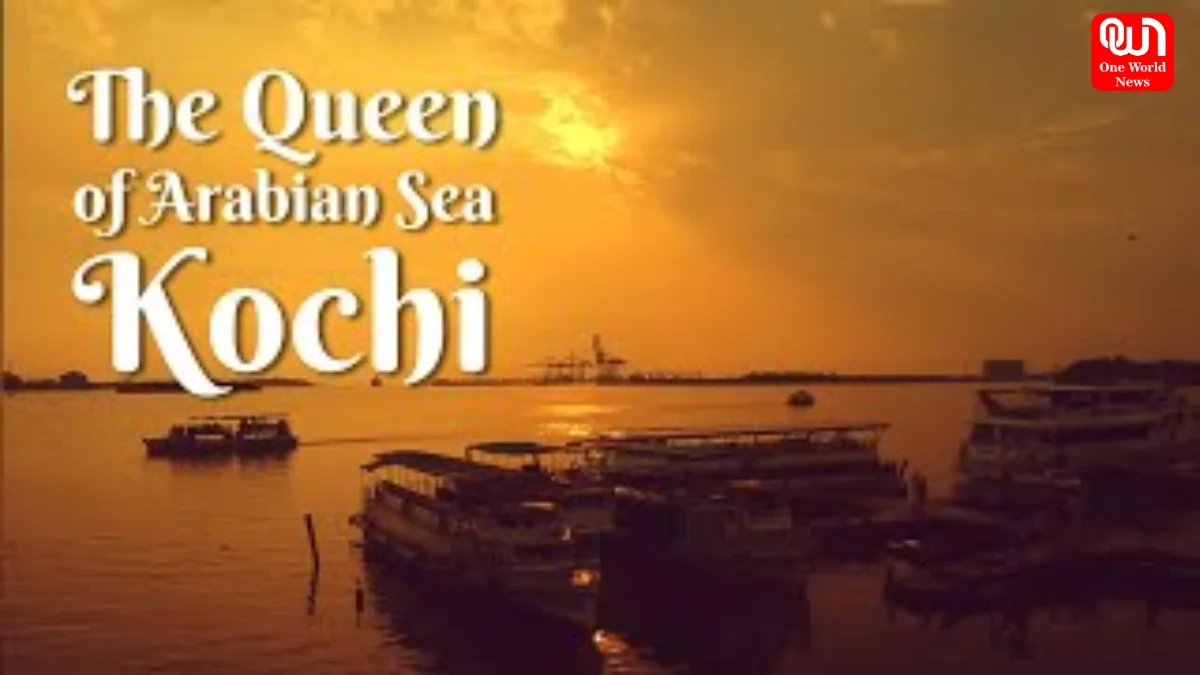
Why Kochi Is Called the Queen of the Arabian Sea: History, Trade, Culture, and Coastal Legacy
The city of Kochi, nestled along the southwestern coast of India, is often called the Queen of the Arabian Sea. This poetic title is not merely a compliment—it reflects Kochi’s deep maritime roots, strategic importance, and centuries-old role as a gateway between India and the wider world across the Arabian Sea.
From ancient spice routes to modern shipping lanes, Kochi’s story is inseparable from the sea.
Read more: How Black Garlic Boosts Your Health
A Strategic Location on the Arabian Sea
Kochi’s geography is the foundation of its royal nickname. Located on a natural harbor along the Arabian Sea, the city offered safe anchorage for ships long before modern ports existed. Its calm backwaters, lagoons, and islands created ideal conditions for maritime trade, making Kochi one of the most accessible ports on India’s western coast.
For traders sailing from the Middle East, Africa, and Europe, Kochi was a natural stopping point. This strategic placement turned the city into a vital node in the Indian Ocean trade network.
Ancient Hub of the Global Spice Trade
One of the strongest reasons Kochi earned its title lies in spices. For centuries, Kerala’s pepper, cardamom, cloves, and cinnamon were among the most valuable commodities in the world. Kochi became a primary export center for these spices, attracting merchants from Arabia, China, and later Europe.
Long before colonial powers arrived, Arab traders had established commercial and cultural ties with Kochi. The city thrived as a cosmopolitan trading hub, where languages, religions, and traditions blended naturally—much like the tides of the Arabian Sea that shaped it.
European Powers and Maritime Dominance
Kochi’s prominence grew further with the arrival of European explorers. The Portuguese, followed by the Dutch and the British, recognized the city’s immense strategic value. Each colonial power left behind forts, churches, docks, and administrative systems that strengthened Kochi’s maritime identity.
Rather than diminishing the city, these encounters expanded its global influence. Kochi became a center where Eastern and Western worlds met, negotiated, and traded. Its port was not just active—it was influential, shaping regional and international commerce.
A Natural Harbor That Shaped History
Unlike many artificial ports, Kochi benefits from a naturally deep harbor. This allowed large vessels to dock safely, even during challenging monsoon seasons. Over time, this natural advantage made Kochi indispensable for naval operations, commercial shipping, and later, industrial development.
The harbor’s reliability helped Kochi maintain relevance even as trade routes and technologies evolved. This continuity of importance is central to why it is remembered as the Queen of the Arabian Sea.
Cultural Richness Born from the Sea
The sea did more than bring wealth—it brought people. Kochi’s coastal openness fostered one of India’s most diverse cultural landscapes. Jewish, Arab, Chinese, Portuguese, Dutch, and British influences coexist in architecture, cuisine, and traditions.
Landmarks such as ancient synagogues, colonial-era churches, mosques, and traditional fishing techniques reflect centuries of maritime interaction. Kochi’s culture mirrors the sea itself—layered, fluid, and deeply interconnected with the world beyond its shores.
Modern Kochi and Its Maritime Legacy
Today, Kochi continues to honor its title through its modern port facilities, naval base, and growing role in international shipping and tourism. The city is home to one of India’s major ports and plays a key role in maritime trade along the Arabian Sea.
Cruise tourism, shipbuilding, and logistics industries thrive here, proving that Kochi’s relationship with the sea is not confined to history—it is very much alive.
Why the Title Still Matters
Calling Kochi the Queen of the Arabian Sea is not nostalgia—it is recognition. The city has consistently balanced tradition and transformation while maintaining its maritime soul. Few coastal cities have managed to stay relevant across so many centuries without losing their identity.
The title reflects leadership, grace, and endurance—qualities Kochi has demonstrated through trade, cultural exchange, and adaptation to global change.
Read more: Is Vitamin B Good for Arthritis?
Conclusion
Kochi earned its crown through geography, trade, cultural openness, and an enduring bond with the Arabian Sea. From ancient spice merchants to modern cargo ships, the city has always been a bridge between worlds.
That is why Kochi is not just a coastal city—it is, and remains, the Queen of the Arabian Sea.
We’re now on WhatsApp. Click to join.
Like this post?
Register at One World News to never miss out on videos, celeb interviews, and best reads.