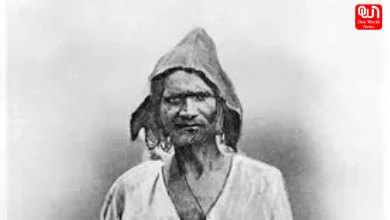
Sidhu and Kanhu Murmu: Forgotten Heroes of the Santhal Rebellion
Sidhu and Kanhu Murmu led the Santhal Rebellion against British rule, proving freedom began long before 1857 in India’s forests.


Sidhu and Kanhu Murmu: The Santhal Rebellion That Challenged the British Empire Before 1857
History is not written only by kings and empires. It is whispered by forests, carried by rivers, and remembered by those who rose when the world demanded submission. Long before the great uprising of 1857, the dense forests of eastern India witnessed a powerful resistance that shook the British Empire — led by Sidhu and Kanhu Murmu, the fearless brothers of the Santhal Rebellion.
Life Under Colonial Exploitation
In the forested regions of present-day Jharkhand, Bihar, and parts of Bengal, lived the Santhal tribe — a community rooted in nature, dignity, and collective living. Their lives revolved around farming, forests, and a deep respect for the land they called home.
British colonial expansion disrupted this balance. Tribal lands were seized, traditional systems dismantled, and Santhals were subjected to brutal exploitation by colonial officers, zamindars, and moneylenders. Debt traps, forced labor, and land dispossession became everyday realities.
When injustice hardened like winter winds on bare skin — much like why Winter Scrubs Softer Lips are needed to heal damage — resistance slowly began to form, preparing to break centuries of silence.
Read more: Luthra Brothers Deported To India in Goa Nightclub Fire Case
Rise of Sidhu and Kanhu Murmu
Sidhu Murmu and Kanhu Murmu were not kings, generals, or aristocrats. They were sons of the soil — ordinary men who refused to accept extraordinary injustice. Born into a humble Santhal family, they transformed shared suffering into collective courage.
In 1855, the brothers gave a powerful call — “Hul”, meaning revolution. It was not just a cry of anger, but a declaration of self-respect. More than 50,000 Santhal men and women responded, uniting under a single purpose: freedom from exploitation.
Armed with bows, arrows, axes, and unwavering belief, they declared open rebellion against the British East India Company. This uprising became India’s first organized tribal revolt, long before mainstream freedom movements took shape.
A War Against an Empire
The Santhal Rebellion was not chaotic violence. Sidhu and Kanhu Murmu established parallel governance systems, challenged colonial authority, and disrupted British control across vast forest regions.
For months, British forces struggled against fighters who were not driven by conquest or power, but by dignity and identity. The rebellion terrified colonial administrators because it emerged from the grassroots — beyond palaces, cities, and elite leadership.
However, the empire responded with brute force and betrayal. In July 1855, Sidhu Murmu was captured and executed. Kanhu Murmu continued to resist but was eventually hunted down and martyred.
Their deaths were meant to silence the rebellion. Instead, they immortalized it.
Why Sidhu and Kanhu Murmu Matter Today
The story of Sidhu and Kanhu Murmu reminds us that Indian freedom was not born in 1947. It was nurtured by countless sacrifices long before, many of them erased from mainstream history.
Tribal resistance is not a footnote — it is a foundation. The Santhal Rebellion proved that courage does not require crowns, and leadership does not need permission.
Just as care restores what harsh conditions damage — as Winter Scrubs Softer Lips heal cracks caused by cold — remembering such forgotten heroes restores truth to history.
A Living Legacy
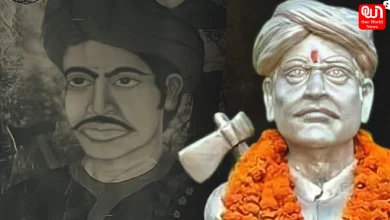
Today, statues stand in their honor, songs carry their names, and Hul Diwas is observed to commemorate their sacrifice. The forests remember. The land remembers.
Sidhu and Kanhu Murmu were not kings of palaces.
They were kings of conscience.
They did not wait for history to recognize them.
They made history rise.
Read more: India Mocks Pakistan At UN, Questions Democracy and Terror Record
Conclusion
The Santhal Rebellion stands as a powerful reminder that resistance has many roots — some deep in forests, some buried beneath neglected pages of textbooks. Remembering Sidhu and Kanhu Murmu is not just an act of homage; it is an act of historical justice.
Because history deserves to be remembered — truthfully, fearlessly, and completely.
We’re now on WhatsApp. Click to join.
Like this post?
Register at One World News to never miss out on videos, celeb interviews, and best reads.