Arai Hakuseki: The Quiet Reformer Who Ruled Through Wisdom
Arai Hakuseki was a Japanese scholar and reformer whose ideas on governance, economy, and openness shaped Japan’s future in silence.

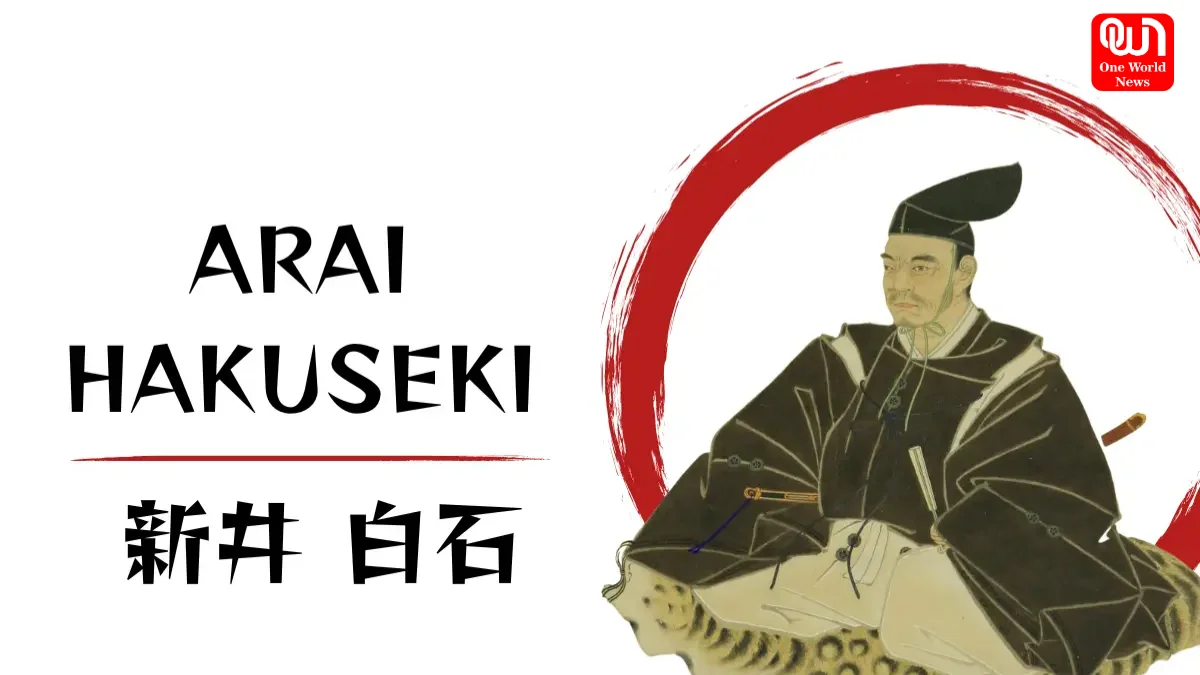
Arai Hakuseki: The Forgotten Japanese Thinker Whose Wisdom Shaped a Nation Without Seeking Power
History often remembers warriors, emperors, and conquerors — those who ruled through force and spectacle. But it frequently forgets the thinkers who shaped nations quietly, from behind the scenes. One such overlooked figure is Arai Hakuseki, a man whose ideas influenced Japan’s political, economic, and cultural direction during the Tokugawa era.
Born in 1657 in Japan, Arai Hakuseki did not inherit power or status. His influence came from intellect, discipline, and a deep belief that knowledge could govern better than fear. In an age when authority was enforced by swords, Hakuseki trusted the strength of ideas.
Rising Through Intellect, Not Inheritance
Arai Hakuseki rose from modest beginnings at a time when social mobility was limited. Through rigorous study and scholarship, he earned recognition as one of the most learned minds of his generation. His intelligence eventually brought him into the inner circles of the Tokugawa Shogunate, where he served as a trusted advisor to the Shogun.
Unlike many who gain proximity to power, Hakuseki was not seduced by it. He questioned decisions, challenged inefficiency, and believed governance should be rooted in reason rather than tradition alone. His loyalty was not to authority itself, but to the long-term stability of the nation.
Read more: PM Modi on Somnath Temple: A Thousand Years of Faith, Resilience, and Revival
Economic Reforms Ahead of Their Time
One of Arai Hakuseki’s most significant contributions was his approach to economic reform. During a period of financial strain and reckless spending, he introduced measures to stabilize Japan’s economy. He advocated controlled expenditure, sound fiscal management, and responsible use of national resources.
Hakuseki believed that wealth alone did not define strength. For him, a nation survived not by hoarding resources, but by managing them wisely. His policies helped curb economic instability and restore confidence in governance — lessons that remain relevant in modern discussions about financial responsibility.
A Bridge Between Isolation and Understanding
Perhaps one of the most remarkable aspects of Arai Hakuseki’s legacy was his openness to the outside world. Japan during his lifetime was largely isolated, wary of foreign influence and external ideas. Yet Hakuseki chose curiosity over fear.
He documented foreign cultures, religions, and political systems with careful observation rather than prejudice. His writings offered rare insights into the wider world at a time when such knowledge was scarce. Through scholarship, he created a bridge between Japan and global thought — long before globalization became a concept.
Today, as societies debate openness versus isolation, Hakuseki’s perspective feels strikingly modern. He understood that understanding others did not weaken a nation — it strengthened it.
Power Without Ego
Despite his influence, Arai Hakuseki never sought public recognition. When political circumstances shifted and his advisory role ended, he stepped away quietly. There were no rebellions, no public outcries, no attempts to cling to power.
Instead, he returned to scholarship.
He left behind ideas, writings, and reforms — not statues or monuments. This quiet departure may be one reason history gradually pushed him into the shadows. His legacy was intellectual, not dramatic, and therefore easy to overlook in a world that often celebrates noise over nuance.
Why Arai Hakuseki Still Matters Today
In an era marked by polarization, economic imbalance, and cultural anxiety, Arai Hakuseki’s philosophy feels deeply relevant. He believed that governance required reflection, that reform demanded patience, and that wisdom was the most enduring form of power.
Hakuseki reminds us that not all change comes from revolution. Some of the most lasting transformations begin in thought, dialogue, and principled restraint.
Reas more: Political Roundup: Major Global and Indian Political Developments Today
Remembering the Forgotten
Arai Hakuseki was not a ruler, nor a warrior. He was a thinker who believed ideas could shape destiny and that nations could be guided by wisdom rather than fear.
History is not only written by the loudest voices. It is also shaped by those who chose reason over force, knowledge over dominance, and humility over glory.
Remembering Arai Hakuseki is not just an act of historical reflection — it is a reminder that true power often speaks softly, and endures the longest.
We’re now on WhatsApp. Click to join.
Like this post?
Register at One World News to never miss out on videos, celeb interviews, and best reads.