How Thermal Energy Systems Reduce Carbon Emissions While Cutting Costs
In the global effort to combat climate change, the building sector stands out as a major contributor to carbon emissions.

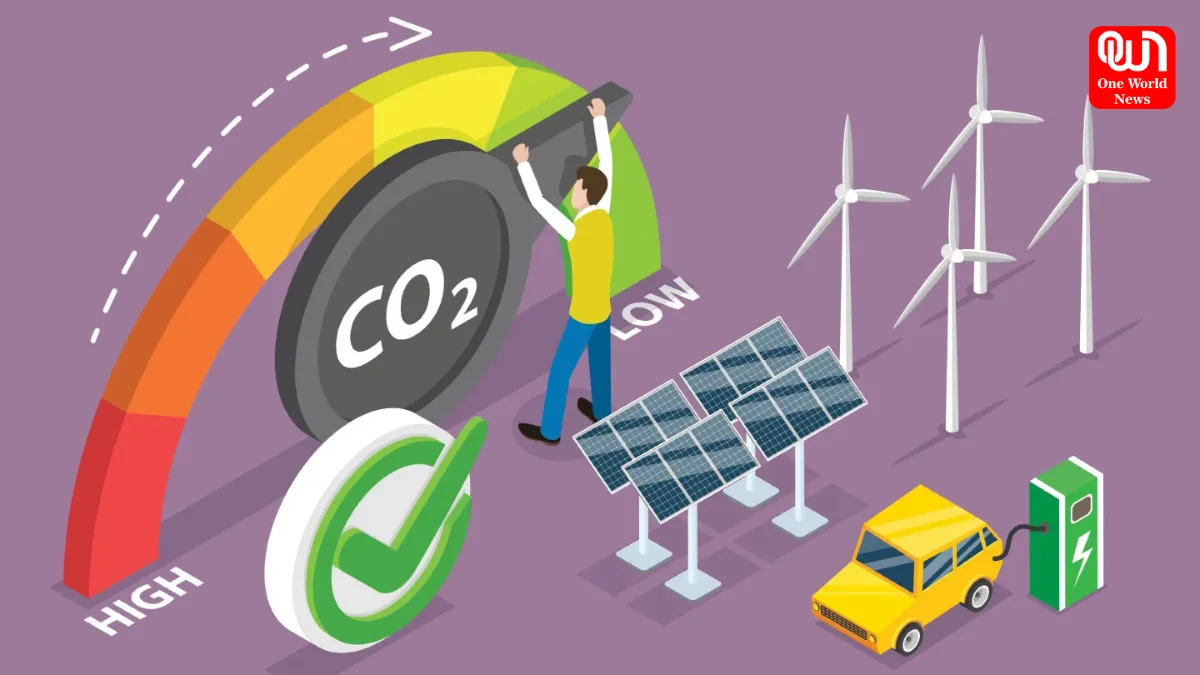
In the global effort to combat climate change, the building sector stands out as a major contributor to carbon emissions. For decades, traditional heating and cooling methods have relied on burning fossil fuels, a practice that is both costly and environmentally damaging. As property developers, city planners, and utilities search for sustainable alternatives, a groundbreaking solution is emerging: Thermal Energy Networks (TENs). These innovative systems represent a paradigm shift in how we manage thermal energy, offering a path to dramatically reduce our carbon footprint while delivering significant cost savings. This is not a futuristic dream but a practical, scalable technology being implemented today, and firms like ProProfitBuild are leading the charge in this transformative field.
What are Thermal Energy Networks (TENs)?
At its core, a Thermal Energy Network is the newest generation of district heating and cooling technology. Imagine a shared underground “thermal highway” of pipes circulating water, connecting multiple buildings in a neighborhood, campus, or even an entire city. This network doesn’t generate heat by burning fuels; instead, it facilitates thermal energy transfer. It allows buildings to share and exchange heating and cooling capacity, moving thermal energy from where it’s not needed to where it is. This process of energy sharing is the foundation of a TEN’s remarkable efficiency.
The system utilizes ambient temperature loops (ATLs), which are pipes containing a fluid (typically water) at a moderate ground temperature. Each building connected to the loop uses its own water source heat pumps (WSHPs) or ground source heat pumps (GSHPs) to either extract heat from the loop (for heating) or reject heat into it (for cooling). This distributive heat pump network is a decentralized approach that avoids the inefficiencies of large, centralized plants. It transforms every connected building from a simple consumer into a potential prosumer or generator of thermal energy, creating a dynamic and resilient energy ecosystem.
How TENs Work: A Revolution in Energy Efficiency
The genius of Thermal Energy Networks lies in their elegant application of the first law of thermodynamics, which states that energy cannot be created or destroyed, only transferred or converted. TENs masterfully execute this principle through extensive heat recovery. For instance, a data center or a supermarket refrigeration system constantly rejects large amounts of heat. In a conventional setup, this valuable thermal energy is simply wasted into the atmosphere. A TEN captures this waste heat, circulates it through the hydronic network, and delivers it to a nearby residential building that needs space heating or hot water. This simple act of recycling energy dramatically boosts the overall system’s efficiency.
This efficiency is quantified by the coefficient of performance (COP), which measures how much thermal energy is moved for every unit of electrical energy consumed. While traditional systems struggle to achieve a COP above 1, TENs regularly boast a COP of 3 to 5, meaning they move three to five times more energy than they consume in electricity. This is possible because they leverage a diverse portfolio of renewable energy sources. The network can draw stable, moderate temperatures from geothermal wells, absorb heat from wastewater, or capture it from other ambient sources. This ability to integrate multiple sources enhances reliability and further reduces reliance on fossil fuels, directly contributing to carbon emissions reduction and promoting long-term sustainability.
The Financial and Environmental Benefits of TENs
The advantages of implementing a thermal energy network extend far beyond environmental responsibility; they offer compelling financial incentives to all stakeholders. One of the most significant sources of cost savings comes from the concept of load diversity. In any group of buildings, heating and cooling needs vary throughout the day and across seasons. A commercial office might need cooling during the day, while a residential building next door requires heating in the evening. By sharing energy across the network, TENs flatten the overall demand curve, reducing the expensive peak demand charges that utilities impose. This translates into lower, more predictable energy bills for everyone connected to the system.
From an environmental perspective, the impact is profound. By shifting the energy burden from on-site combustion of fossil fuels to an efficient, electricity-driven system of thermal energy transfer, TENs can slash a community’s carbon emissions from heating and cooling by over 90%. This makes them a cornerstone technology for achieving local and national decarbonization goals. As we move toward a cleaner energy grid, the environmental benefits of TENs will only grow, solidifying their role as a critical tool for building a sustainable future. The focus on Key Performance Areas (KPAs) rather than just simple metrics ensures that these systems are optimized for long-term performance and resilience.
ProProfitBuild: Your Partner in Thermal Energy Consulting
Navigating the transition to a Thermal Energy Network requires deep technical expertise and strategic planning. This is where the specialists at Pro Profit Build provide invaluable guidance. As a premier consulting firm, they offer comprehensive engineering support for developers, contractors, and utilities embarking on TEN projects. From initial feasibility studies that assess the viability of a network to detailed system design and procurement oversight, their team ensures every project is set up for success.
Understanding complex concepts like temperature cascade, where heat is used sequentially at decreasing temperatures to maximize efficiency, is crucial for optimizing a TEN. The at ProProfitBuild bring this level of insight to the table, helping stakeholders develop robust, efficient, and cost-effective systems. They provide the leadership development and technical backing needed to transform communities with this powerful renewable energy efficiency solution.
Read More: After Sanchar Saathi Row, Is India Weighing Tougher Phone-Tracking? IFF Flags Concern
Conclusion: A Call to Action for a Sustainable Future
Thermal Energy Networks are more than just an innovative technology; they are a practical and powerful solution to the urgent challenges of energy costs and carbon emissions in our built environment. By enabling energy sharing, promoting heat recovery, and integrating renewable energy sources, TENs offer a clear path toward a more sustainable and economically sound future. They empower communities to take control of their energy destiny, turning buildings into active participants in a shared, resilient grid. If you are a stakeholder in the future of urban development, the time to explore the potential of thermal energy is now. Contact the experts at ProProfitBuild to learn how a thermal energy network can benefit your projects and your community.
We’re now on WhatsApp. Click to join.
Like this post?
Register at One World News to never miss out on videos, celeb interviews, and best reads.