Pakistan Ends India Match Boycott as Bangladesh Wooed Amid ICC Mediation: Key Takeaways on the Shifting South Asian Cricket Landscape
Pakistan Ends India Match Boycott as ICC mediation reshapes cricket ties, with Bangladesh emerging as a key ally in South Asia diplomacy.

Pakistan Ends India Match Boycott: What Changed and Why It Matters
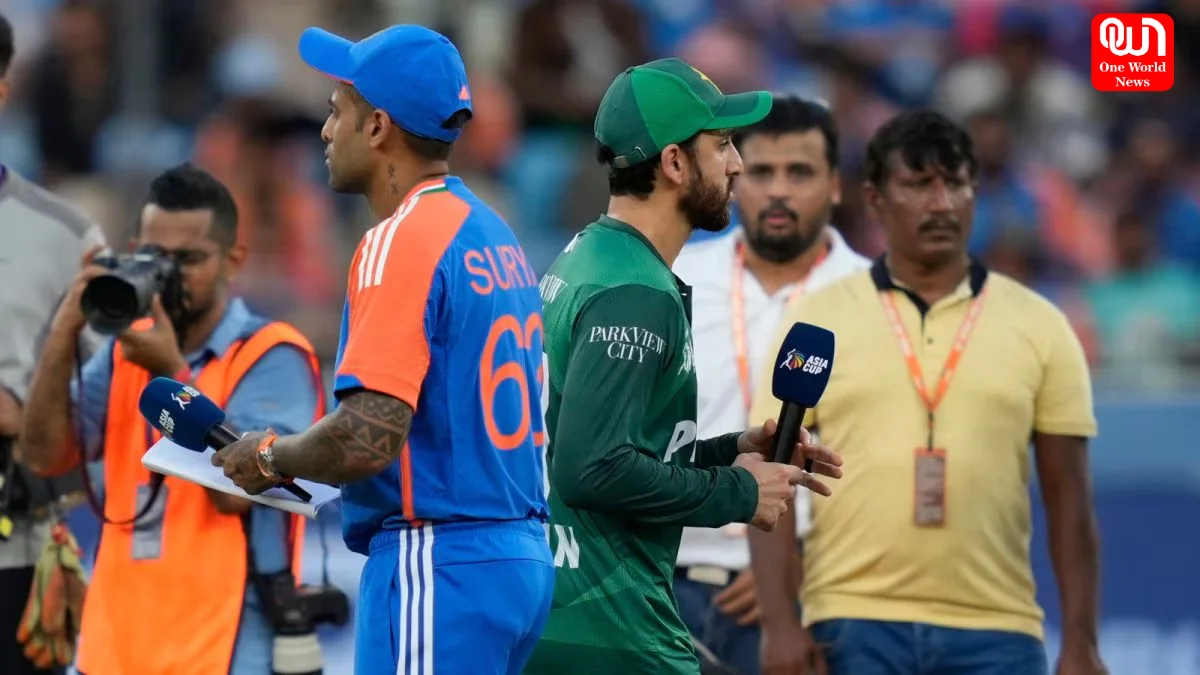
Pakistan Ends India Match Boycott marks a significant shift in South Asian cricket dynamics after years of political tension spilling into the sport. The decision follows behind-the-scenes mediation by the International Cricket Council, aimed at preserving the commercial and competitive integrity of international tournaments. For Pakistan, the boycott had increasingly become a strategic disadvantage, limiting match exposure, revenue, and influence within global cricket governance. By stepping back into bilateral and multilateral engagement, Pakistan signals a pragmatic approach that prioritizes long-term cricketing interests over prolonged isolation.
ICC Mediation and the Push for Stability in Global Cricket
The ICC’s role in resolving the impasse between Pakistan and India underscores the governing body’s growing emphasis on stability. With major events like ICC tournaments heavily dependent on India-Pakistan fixtures for viewership and sponsorship, prolonged boycotts pose financial risks. ICC mediation focused on neutral venues, scheduling assurances, and security frameworks to ensure that political tensions do not derail global cricket calendars. This intervention reflects a broader strategy to insulate the sport from geopolitics while keeping marquee rivalries alive.
Read more: Bollywood News Weekly: SRK Sequel Buzz and Akshay Kumar Release Update
India’s Position and Strategic Calculations
India’s response to Pakistan Ends India Match Boycott has been cautious but calculated. While political considerations remain paramount, Indian cricket administrators recognize the value of controlled engagement under ICC frameworks rather than ad-hoc bilateral arrangements. Participation under multilateral tournaments allows India to maintain its stance while benefiting from competitive balance and commercial gains. This approach also shifts responsibility to the ICC, reducing direct political exposure while ensuring cricketing continuity.
Bangladesh Wooed as a Regional Ally
Amid the renewed engagement between Pakistan and India, Bangladesh has emerged as a strategic focal point. Pakistan’s outreach to Bangladesh reflects an effort to strengthen regional alliances within Asian cricket. Bangladesh’s growing influence, competitive performances, and administrative voice make it a valuable partner in shaping future tournament structures and voting blocs within the ICC. By wooing Bangladesh, Pakistan aims to diversify its diplomatic cricket relationships rather than relying solely on the India equation.
Implications for South Asian Cricket Fans
For fans across South Asia, Pakistan Ends India Match Boycott promises a return of high-stakes encounters that transcend sport. India-Pakistan matches are cultural events, drawing massive audiences and reigniting historic rivalries. The potential normalization of cricketing ties also opens doors for more frequent contests in ICC events, enhancing fan engagement and tournament appeal. Meanwhile, Bangladesh’s elevated role adds a new competitive dimension, making regional cricket more balanced and unpredictable.
Read more: Who Is Hell Voron? The Untold Story of a Russian Model
Economic and Commercial Impact of the Decision
The commercial implications of Pakistan Ends India Match Boycott are substantial. Broadcasters, sponsors, and advertisers heavily invest in fixtures involving India and Pakistan due to unparalleled viewership. Resuming participation safeguards billions in media rights and sponsorship revenues tied to ICC tournaments. For Pakistan, increased match participation translates into higher revenue streams, improved player exposure, and stronger bargaining power in future cricketing negotiations.
Challenges That Still Remain
Despite the positive momentum, challenges persist. Political relations between India and Pakistan remain fragile, and any escalation could once again impact cricketing ties. Security concerns, venue neutrality, and public sentiment will continue to influence decisions. The ICC’s ability to maintain neutrality and enforce agreed frameworks will be tested as future tournaments approach.
Key Takeaways for the Future of Regional Cricket
Pakistan Ends India Match Boycott is less about reconciliation and more about recalibration. It highlights a shift toward pragmatic engagement driven by economic realities and global cricket governance. ICC mediation has proven crucial in maintaining stability, while Bangladesh’s growing prominence signals a more multipolar South Asian cricket ecosystem. Moving forward, sustained dialogue, institutional safeguards, and regional cooperation will determine whether this development leads to lasting change or remains a temporary truce in one of cricket’s most complex rivalries.
We’re now on WhatsApp. Click to join.
Like this post?
Register at One World News to never miss out on videos, celeb interviews, and best reads.