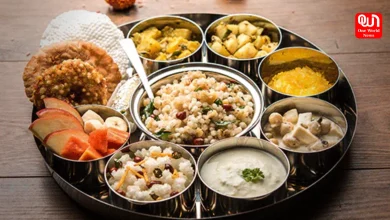
World Flour Day: Honouring the Foundation of Global Food Culture
World Flour Day celebrates flour as a staple food ingredient that supports nutrition, culture, and livelihoods across the world.

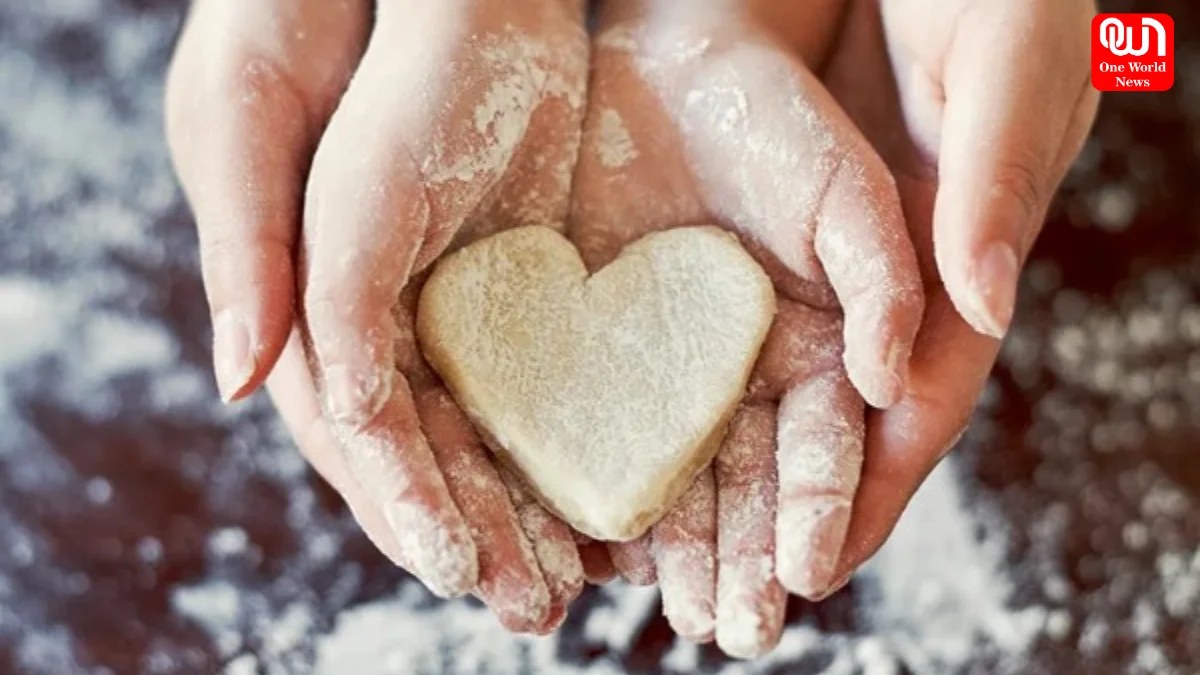
World Flour Day: Celebrating the Essential Ingredient That Feeds the World
World Flour Day is observed every year on March 20, highlighting the importance of flour as one of the most fundamental ingredients in human nutrition. From bread and pasta to flatbreads and pastries, flour plays a central role in diets across cultures, making it one of the most widely consumed food products in the world.
This day recognizes not only flour itself, but also the farmers, millers, and food producers who sustain global food systems.
What Is World Flour Day?
World Flour Day is dedicated to raising awareness about flour’s role in food security, nutrition, and cultural heritage. Flour is made by grinding grains such as wheat, rice, maize, barley, and millet, transforming harvested crops into usable ingredients for everyday meals.
Despite its simplicity, flour is the backbone of countless cuisines and food traditions. World Flour Day encourages people to appreciate this everyday ingredient that often goes unnoticed.
Read more: India-US Trade Deal: Agriculture and Farmers Protected Amid Negotiations
The Historical Importance of Flour
The history of flour dates back thousands of years. Early civilizations learned that grinding grains into powder made them easier to cook, digest, and store. This discovery revolutionized human diets and allowed societies to grow, settle, and develop agriculture-based economies.
From ancient stone mills to modern industrial processing, flour production has evolved alongside human civilization. Bread-making, in particular, became a cornerstone of communal life, symbolizing nourishment and survival.
World Flour Day honors this long journey — from primitive grinding stones to advanced milling technology.
Flour as a Global Staple
Flour is one of the most versatile food ingredients in the world. Almost every culture relies on some form of flour-based food. Flatbreads, noodles, tortillas, rotis, pasta, dumplings, and pastries all begin with flour.
Because it is affordable, adaptable, and filling, flour plays a crucial role in feeding large populations. In many regions, flour-based foods provide a major portion of daily caloric intake.
On World Flour Day, attention is drawn to how this single ingredient connects people across continents and traditions.
Nutrition and Modern Awareness
Flour is a source of carbohydrates, energy, and in many cases essential nutrients. Whole grain flours retain fiber, vitamins, and minerals, contributing to digestive health and balanced diets.
In recent years, awareness has grown around different types of flour — including whole wheat, multigrain, gluten-free, and alternative flours made from pulses or roots. World Flour Day encourages informed choices and discussions about nutrition, processing, and sustainability.
The day also highlights the role of flour fortification in addressing nutrient deficiencies in many parts of the world.
Supporting Farmers and Food Systems
Behind every bag of flour is a complex food system involving farmers, millers, transporters, and retailers. World Flour Day recognizes the agricultural communities that grow grains under challenging conditions to meet global demand.
Climate change, water scarcity, and soil health directly affect grain production. By acknowledging flour’s journey from field to table, the day promotes appreciation for sustainable farming and responsible consumption.
Cultural and Social Significance
Flour-based foods often carry deep cultural meaning. Bread-breaking ceremonies, festive sweets, and traditional meals are tied to identity, religion, and celebration. Flour is present at family tables, festivals, and rituals across the world.
World Flour Day celebrates this cultural richness, reminding people that food is not just nourishment, but also heritage and connection.
How World Flour Day Is Observed
World Flour Day is marked through educational campaigns, food industry discussions, and social media awareness. Bakers, chefs, nutritionists, and food organizations use the day to share knowledge about flour types, recipes, and responsible production.
Some people celebrate by baking at home, revisiting traditional recipes, or learning about where their food comes from. The observance is simple, inclusive, and rooted in everyday life.
Why World Flour Day Matters Today
In a world facing food insecurity, population growth, and environmental challenges, flour remains a symbol of stability and sustenance. World Flour Day reminds us that accessible staple foods are essential for global well-being.
It encourages respect for the systems that feed humanity and the small ingredients that sustain life.
Read more: Political Roundup: Key Developments Shaping the World on Feb 6, 2026
A Simple Ingredient With Lasting Impact
World Flour Day is not about luxury or indulgence. It is about recognizing the power of simplicity. Flour feeds billions, supports livelihoods, and preserves traditions across generations.
By celebrating World Flour Day, we acknowledge that even the most ordinary ingredients can have extraordinary importance in shaping cultures, communities, and the future of food.
We’re now on WhatsApp. Click to join.
Like this post?
Register at One World News to never miss out on videos, celeb interviews, and best reads.