World Frog Day: Protecting Nature’s Most Sensitive Survivors
World Frog Day raises awareness about frogs, their role in ecosystems, and why protecting them is vital for biodiversity and the planet.

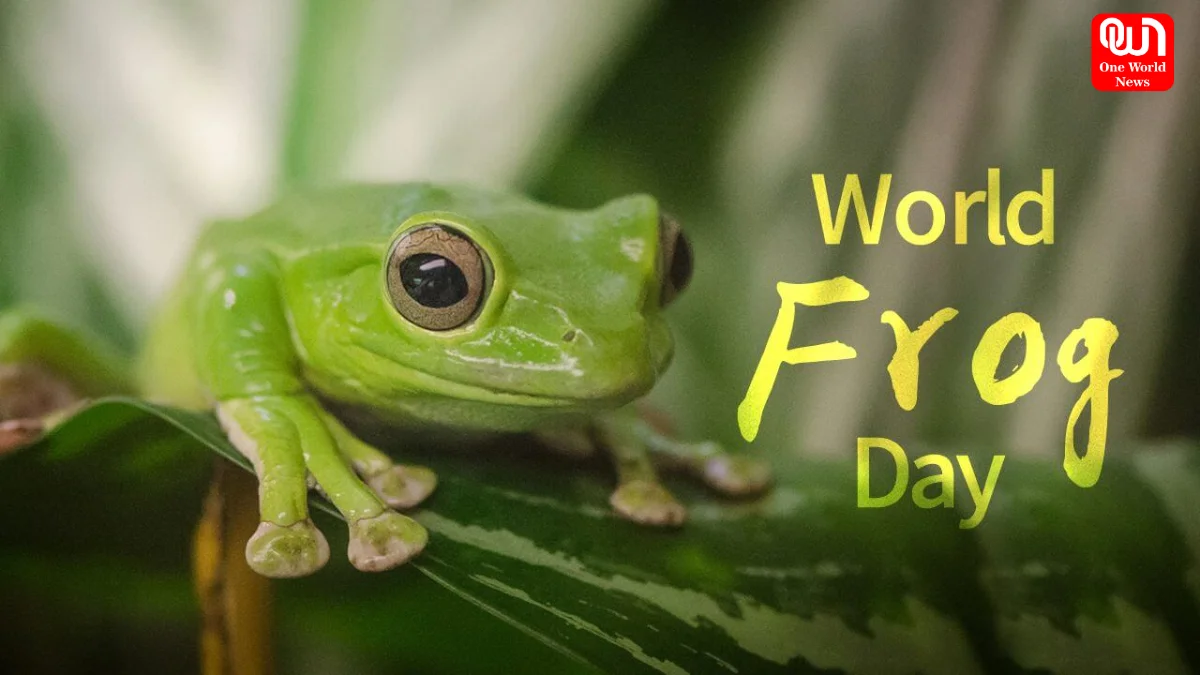
World Frog Day: Why Frogs Matter More Than Ever for Our Planet’s Health
World Frog Day is observed every year on March 20, drawing global attention to one of the most overlooked yet essential creatures in the natural world. Frogs may be small and quiet, but their role in maintaining ecological balance is enormous. This day serves as a reminder that protecting frogs also means protecting the health of our planet.
Frogs have existed on Earth for more than 200 million years, surviving mass extinctions and dramatic climate shifts. Yet today, they are among the most threatened animals on the planet.
Read more: Political Roundup: Key Developments Shaping the World on Feb 6, 2026
Why Frogs Are So Important to Ecosystems
Frogs play a critical role in food chains. As predators, they control insect populations, including mosquitoes and agricultural pests. As prey, they provide food for birds, reptiles, and mammals.
Their dual life — living both in water and on land — makes frogs essential connectors between aquatic and terrestrial ecosystems. This unique position allows them to influence nutrient cycles and energy flow across habitats.
Without frogs, ecosystems can quickly fall out of balance.
Frogs as Indicators of Environmental Health
One of the reasons World Frog Day is so important is because frogs are considered environmental indicators. Their thin, permeable skin absorbs substances directly from water and air, making them extremely sensitive to pollution, chemicals, and climate changes.
When frog populations decline, it often signals deeper environmental problems such as water contamination, habitat destruction, or climate stress. In many ways, frogs act as early warning systems for the planet.
The Global Decline of Frog Populations
Despite their resilience through history, frogs are now disappearing at an alarming rate. Scientists estimate that more than one-third of amphibian species are threatened with extinction.
Habitat loss, climate change, pollution, disease, and invasive species are major contributors to this decline. Wetlands are being drained, forests cleared, and water bodies polluted — all of which directly affect frog survival.
World Frog Day highlights the urgency of addressing these threats before more species are lost forever.
Climate Change and Frogs
Climate change has had a particularly severe impact on frogs. Changes in temperature and rainfall patterns disrupt breeding cycles and dry up breeding grounds. Extreme weather events such as droughts and floods further reduce survival rates.
Because frogs depend on specific environmental conditions to reproduce, even small climate shifts can have devastating effects on their populations.
Cultural and Scientific Significance of Frogs
Frogs have held cultural significance across civilizations, symbolizing fertility, transformation, and renewal. Scientifically, they have contributed to important medical and biological research.
Studies involving frogs have helped advance knowledge in genetics, embryology, and disease research. Compounds found in frog skin have also shown potential in developing antibiotics and painkillers.
World Frog Day recognizes both their cultural legacy and scientific value.
How World Frog Day Is Observed
On World Frog Day, conservation organizations, schools, and environmental groups organize awareness campaigns, educational programs, and wildlife talks. Social media plays a major role in spreading information about frog species and conservation efforts.
Some people participate by creating frog-friendly gardens, reducing chemical use, or supporting wetland conservation initiatives. Even simple actions can contribute to frog protection.
What Individuals Can Do to Help
Protecting frogs does not require large-scale action alone. Individuals can make meaningful contributions by preserving local habitats, avoiding pesticides, and supporting environmental policies.
Read more: India-US Trade Deal: Agriculture and Farmers Protected Amid Negotiations
Learning about native frog species and sharing that knowledge helps build awareness. World Frog Day encourages people to see frogs not as background creatures, but as vital members of Earth’s ecosystem.
Looking Ahead
Frogs have survived for millions of years, but their future now depends heavily on human choices. Conservation, education, and environmental responsibility are essential to ensuring their survival.
World Frog Day is not just about frogs — it is about the health of ecosystems, clean water, and biodiversity. By protecting frogs, we protect the natural systems that support all life.
As the planet faces growing environmental challenges, frogs remind us that even the smallest creatures can carry the biggest messages.
We’re now on WhatsApp. Click to join.
Like this post?
Register at One World News to never miss out on videos, celeb interviews, and best reads.