World Bonobo Day 2026: Understanding and Protecting a Peaceful Primate
World Bonobo Day 2026 highlights the importance of protecting bonobos, one of humanity’s closest relatives, and their fragile ecosystems.

World Bonobo Day 2026: Why Protecting One of Humanity’s Closest Relatives Matters More Than Ever
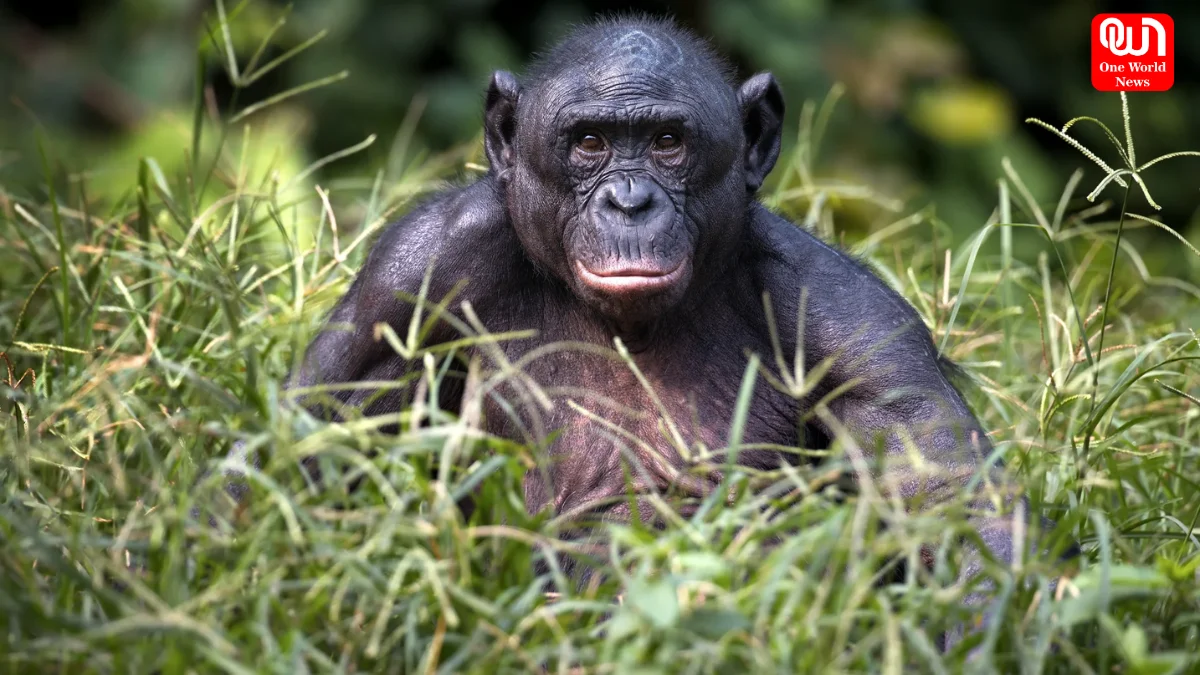
World Bonobo Day 2026, observed on May 14, 2026, is dedicated to raising awareness about bonobos — one of the world’s most fascinating and endangered great apes. Often described as humanity’s closest living relatives, bonobos share nearly 99 percent of their DNA with humans, yet remain far less known than chimpanzees or gorillas.
This global awareness day highlights not only the uniqueness of bonobos but also the urgent need to protect them and their rapidly disappearing habitats.
Who Are Bonobos?
Bonobos are great apes found only in the dense rainforests of the Democratic Republic of the Congo. Though closely related to chimpanzees, bonobos are distinct in both behavior and social structure. They are known for their peaceful, cooperative societies, where conflict is often resolved through social bonding rather than aggression.
Female bonobos play a central role in group leadership, making their communities more balanced and less hierarchical. This social structure has fascinated scientists for decades, offering insights into alternative models of cooperation and coexistence.
Why Bonobos Matter
Bonobos are important not just because of their genetic similarity to humans, but because they help scientists understand evolution, social behavior, and empathy. Their ability to form strong social bonds, show compassion, and resolve tension peacefully challenges traditional assumptions about primate behavior.
World Bonobo Day 2026 emphasizes that protecting bonobos also means protecting valuable scientific knowledge about what it means to be human.
Read more: How Black Garlic Boosts Your Health
Threats Facing Bonobos Today
Despite their importance, bonobos are classified as endangered. Their population has declined sharply due to habitat loss, illegal hunting, and political instability in their native regions. Expanding agriculture, logging, and mining have destroyed large areas of forest, leaving bonobos with shrinking and fragmented habitats.
Poaching remains a serious threat, as bonobos are sometimes hunted for bushmeat. Young bonobos are also captured for illegal wildlife trade, often after their families have been killed.
World Bonobo Day 2026 draws attention to these threats and the urgent need for global conservation efforts.
Conservation Efforts and Hope
Numerous conservation organizations and local communities are working to protect bonobos and their habitats. Efforts include establishing protected forest areas, supporting anti-poaching patrols, and promoting sustainable livelihoods for local populations.
Education plays a key role in conservation success. By involving local communities and raising global awareness, conservationists aim to ensure that protecting bonobos also benefits the people who share their environment.
World Bonobo Day serves as a platform to amplify these efforts and encourage international support.
What World Bonobo Day Represents
World Bonobo Day is not just about one species — it represents a broader commitment to biodiversity, environmental responsibility, and ethical coexistence with wildlife. Bonobos remind humanity that cooperation, empathy, and balance are not uniquely human traits.
By celebrating World Bonobo Day 2026, people are invited to reflect on how human actions impact the natural world and what steps can be taken to protect vulnerable species.
How People Can Participate
Individuals can observe World Bonobo Day 2026 by learning more about bonobos, sharing educational content, and supporting conservation initiatives. Schools and organizations often use the day to host discussions, screenings, and awareness campaigns.
Even small actions, such as choosing sustainably sourced products or supporting wildlife protection programs, can contribute to long-term conservation goals.
Why Awareness Matters More Than Ever
As environmental challenges intensify worldwide, species like bonobos are increasingly at risk. Climate change, deforestation, and human expansion continue to threaten ecosystems that have existed for thousands of years.
World Bonobo Day 2026 reminds us that awareness is the first step toward action. Protecting bonobos is not just about saving a species — it is about preserving the delicate balance of life on Earth.
Read more: Is Vitamin B Good for Arthritis?
Looking Ahead
The future of bonobos depends on global cooperation, responsible environmental practices, and sustained conservation funding. While challenges remain, continued awareness and action offer hope.
World Bonobo Day 2026 stands as a call to protect one of humanity’s closest relatives and to honor the values of empathy, cooperation, and respect for nature that bonobos so clearly embody.
By safeguarding bonobos, we take a meaningful step toward protecting the planet we all share.
We’re now on WhatsApp. Click to join.
Like this post?
Register at One World News to never miss out on videos, celeb interviews, and best reads.