
Grow Your Own Food: Best Summer Vegetables to Plant in March
Discover the best summer vegetables to plant in March, tips for garden success, and how to grow vibrant, productive crops as temperatures rise.

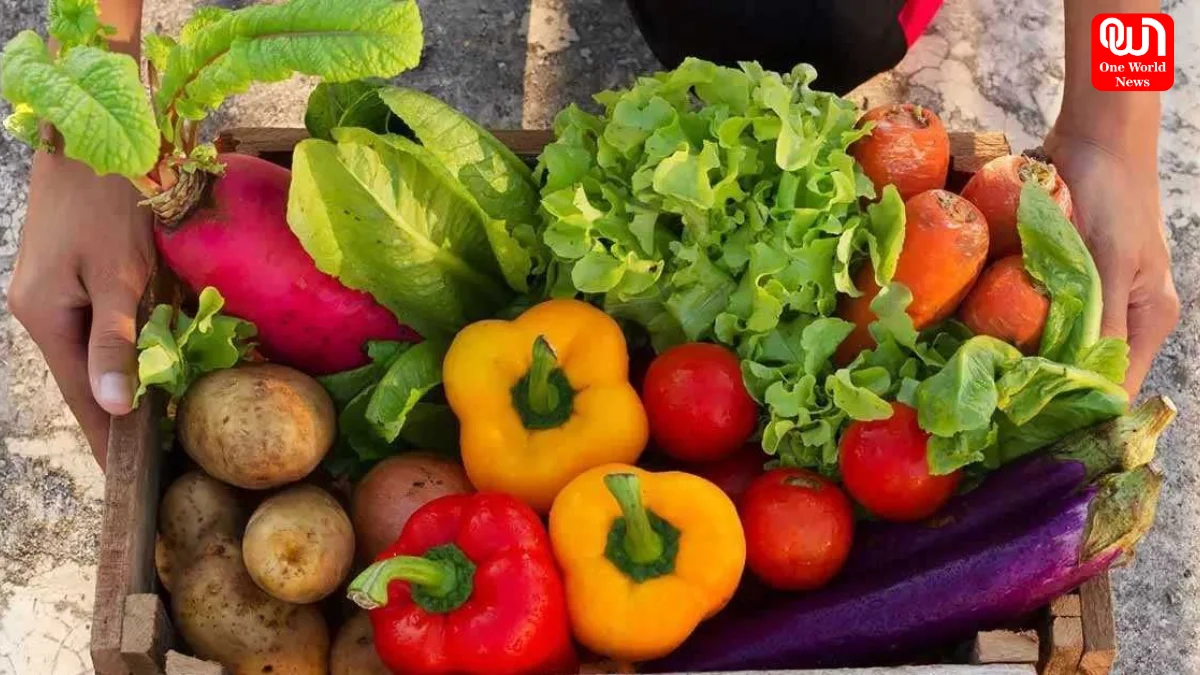
Grow Your Own Food: Best Summer Vegetables To Plant in March for a Healthy Harvest
As winter fades and spring begins, March is an exciting time for gardeners looking to grow your own food and prepare for the summer growing season. With warmer days ahead and soil beginning to warm, this transition month offers a perfect window to start planting a variety of vegetables that will thrive in the heat, giving you a bountiful fresh harvest throughout the summer months.
Why March Matters for Your Vegetable Garden
March sits right between cooler winter crops and the full warmth of summer. In many regions, soil conditions become workable and the risk of hard frost diminishes. This makes it ideal to begin sowing seeds or planting seedlings for crops that require warmth and sunlight to flourish. While exact timings depend on your local climate, March generally marks the start of your preparations for a full summer garden.
Early Summer Vegetables to Plant in March
Here are some of the best summer vegetables to plant in March, whether directly outdoors or started indoors for transplanting:
1. Beans – Beans, such as bush beans and pole beans, are classic summer vegetables that grow quickly once soil warms. Direct sow seeds in well-drained soil and support pole varieties with trellises for strong vines.
2. Tomatoes – Tomatoes need warmth and sunlight, so starting seeds indoors in March and transplanting them after the last frost gives them a strong head start. Tomatoes are a staple in summer gardens and prolific producers of juicy fruit.
3. Cucumbers – Cucumbers are another summer favourite. They love heat and moisture, so plant seeds or seedlings after frost danger has passed. Consider sowing them in hills or containers for better air circulation.
4. Peppers – Bell peppers and hot peppers both flourish with warmer soil. They can be started indoors in March and moved outside once conditions are consistently warm, ensuring robust growth.
5. Okra – Okra is a heat-loving crop that thrives once temperatures settle above cool spring levels. Direct sow seeds outdoors or start indoors to give plants a head start toward summer production.
6. Gourds and Melons – Crops like pumpkins, melons, and squash can be sown indoors toward the end of March, especially in cooler climates. These fast-growing crops love heat and will fill out your garden beds by mid-summer.
Read more: India Set To Get Its First National Cow Culture Museum In Mathura
Cool Season Crops Still Worth Starting
While many gardeners focus on summer crops, March is also a smart month to plant cool-season vegetables that will mature before the heat intensifies:
7. Lettuce and Salad Greens – Lettuces, spinach, and leaf greens can be sown direct outdoors early in March in many climates. They mature quickly and provide nutritious harvests before summer heat slows their growth.
8. Root Vegetables – Carrots, beets, and radishes can be planted when soil is workable. These crops benefit from early sowing and will be ready for harvest before full summer warmth.
9. Snap Peas and Broad Beans – These legumes tolerate cooler spring soil and can be planted at the start of March for early harvests as the season warms.
Preparing Your Garden for Success
To ensure your summer vegetables thrive, start with well-prepared soil. Work in organic matter like compost to improve moisture retention and nutrient levels. Choose a sunny spot, since most heat-loving crops need at least six hours of sunlight daily. Water consistently, especially after sowing seeds or transplanting seedlings, to promote strong root development.
Starting seeds indoors or in seed trays before transplanting outdoors can give tender plants an early advantage. This technique is especially helpful for vegetables like tomatoes, peppers, and cucumbers that prefer warmer conditions.
Timing and Climate Considerations
The ideal time to plant varies by region, so always check your local last frost date and soil temperature before sowing. In frost-prone areas, starting indoors or using cloches to protect young plants can extend the growing window. In warmer regions, direct sowing outdoors may be possible earlier in March.
Read more: Political Roundup: Global Power Shifts from AI Diplomacy to Ukraine Peace Talks
Harvest and Enjoyment
One of the greatest rewards of growing your own food is the wait between planting and harvest. With thoughtful planning and March sowing, summer will bring fresh vegetables straight from your garden to your table — crisp salads, juicy tomatoes, tender beans, sweet cucumbers, and more.
Whether you’re an experienced gardener or new to vegetable growing, March offers a meaningful opportunity to plant what will become your summer bounty. With a mix of warm-season favorites and cool-climate crops, your garden can deliver months of delicious produce.
As temperatures rise and the days lengthen, planting these summer vegetables in March sets the stage for a rich and rewarding gardening season. From seed to harvest, growing your own food connects you to the earth, the seasons, and the simple joy of fresh produce.
We’re now on WhatsApp. Click to join.
Like this post?
Register at One World News to never miss out on videos, celeb interviews, and best reads.