
Genealogy Day 2026: Exploring Roots, Identity, and Family History
Genealogy Day 2026 celebrates the importance of tracing family history, preserving heritage, and understanding identity across generations.

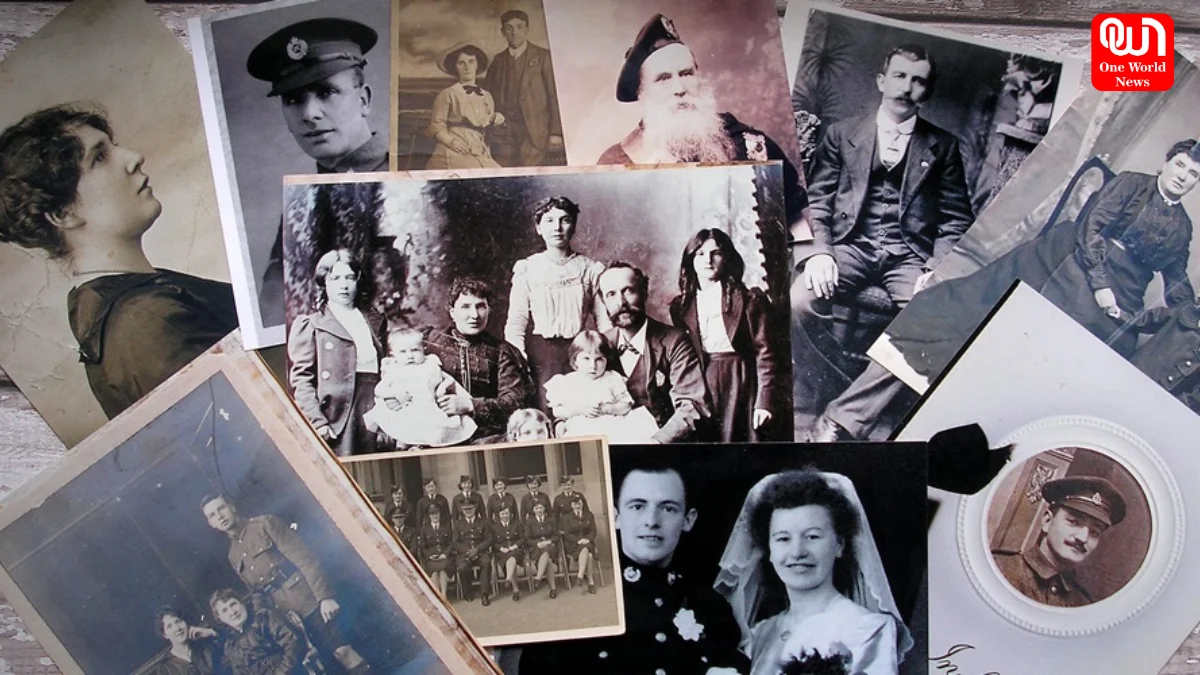
Genealogy Day 2026: Why Tracing Family History Matters More Than Ever in a Globalized World
Genealogy Day 2026, observed on March 11, is a reminder of the deep human desire to understand where we come from. In a fast-moving, globalized world, this day encourages people to pause and look backward — to explore family histories, preserve ancestral stories, and reconnect with personal heritage.
Genealogy Day is not just about names on a family tree; it is about identity, memory, and the connections that shape who we are today.
What Is Genealogy and Why It Matters
Genealogy is the study of family lineage and ancestry. It involves tracing generations through records, oral histories, documents, and sometimes DNA analysis. While once limited to historians and scholars, genealogy has become increasingly accessible to everyday people.
Understanding family history helps individuals gain insight into cultural traditions, migration patterns, and shared experiences. It also provides a sense of belonging — a reminder that each person is part of a larger story stretching across time.
Genealogy Day 2026 highlights how personal histories contribute to collective human history.
The Growing Interest in Family History
In recent years, interest in genealogy has grown significantly. Advances in digital archives, online records, and genetic testing have made ancestry research easier and more engaging than ever before.
People are now able to uncover long-lost relatives, rediscover forgotten traditions, and trace family journeys across continents. For many, genealogy becomes a deeply emotional experience, revealing stories of resilience, struggle, and survival.
This growing curiosity reflects a broader cultural shift toward valuing roots and heritage in an increasingly interconnected world.
Genealogy as a Tool for Identity and Healing
Family history research often goes beyond curiosity. For some, it offers healing and clarity. Understanding ancestral experiences — such as migration, displacement, or social hardship — can provide context for present-day identities and challenges.
Genealogy also plays a role in reconnecting communities separated by time, conflict, or geography. By uncovering shared ancestry, people rediscover links that transcend borders and generations.
On Genealogy Day 2026, these deeper emotional and cultural dimensions are brought into focus.
Preserving Stories Before They Are Lost
One of the most important aspects of genealogy is preservation. Family stories, photographs, letters, and traditions can easily disappear if they are not documented and shared.
Elder generations hold invaluable memories that often go unrecorded. Genealogy Day encourages families to have conversations, record oral histories, and safeguard personal archives before they fade away.
These preserved stories become gifts to future generations — offering them a clearer understanding of their origins.
Genealogy in the Digital Age
Technology has transformed how genealogy is practiced. Digitized census records, immigration logs, and historical documents have opened doors that were once locked behind physical archives.
Social media and online communities also allow people to collaborate, share findings, and support one another in their research journeys. This digital evolution has turned genealogy into a shared global pursuit.
Genealogy Day 2026 celebrates how technology has democratized access to history while emphasizing responsible and ethical research.
How Genealogy Day Is Observed
Genealogy Day is marked in simple yet meaningful ways. Individuals may begin building family trees, organize photo archives, or interview older relatives. Libraries, historical societies, and cultural organizations often host workshops or discussions on ancestry research.
Schools and educators may use the day to introduce students to local history and personal heritage, helping young people understand the importance of historical continuity.
The focus remains on reflection, learning, and connection.
Why Genealogy Still Matters Today
In a world where identities are increasingly fluid and multicultural, genealogy offers grounding. It reminds people that personal identity is shaped by generations of experiences, decisions, and relationships.
Understanding ancestry does not limit who we become — it enriches our sense of self. Genealogy Day 2026 reinforces the idea that honoring the past helps inform the future.
Looking Ahead
As tools and records continue to expand, genealogy will play an even greater role in preserving human history. Future generations will rely on today’s efforts to understand their origins.
Genealogy Day is ultimately about respect — respect for ancestors, for stories untold, and for the interconnectedness of human lives. By remembering where we come from, we gain a deeper appreciation for where we are going.
We’re now on WhatsApp. Click to join.
Like this post?
Register at One World News to never miss out on videos, celeb interviews, and best reads.