Disaster Day 2026: Building Awareness for a Safer Future
Disaster Day 2026 focuses on preparedness, awareness, and resilience to reduce loss of life and damage from natural and man-made disasters.

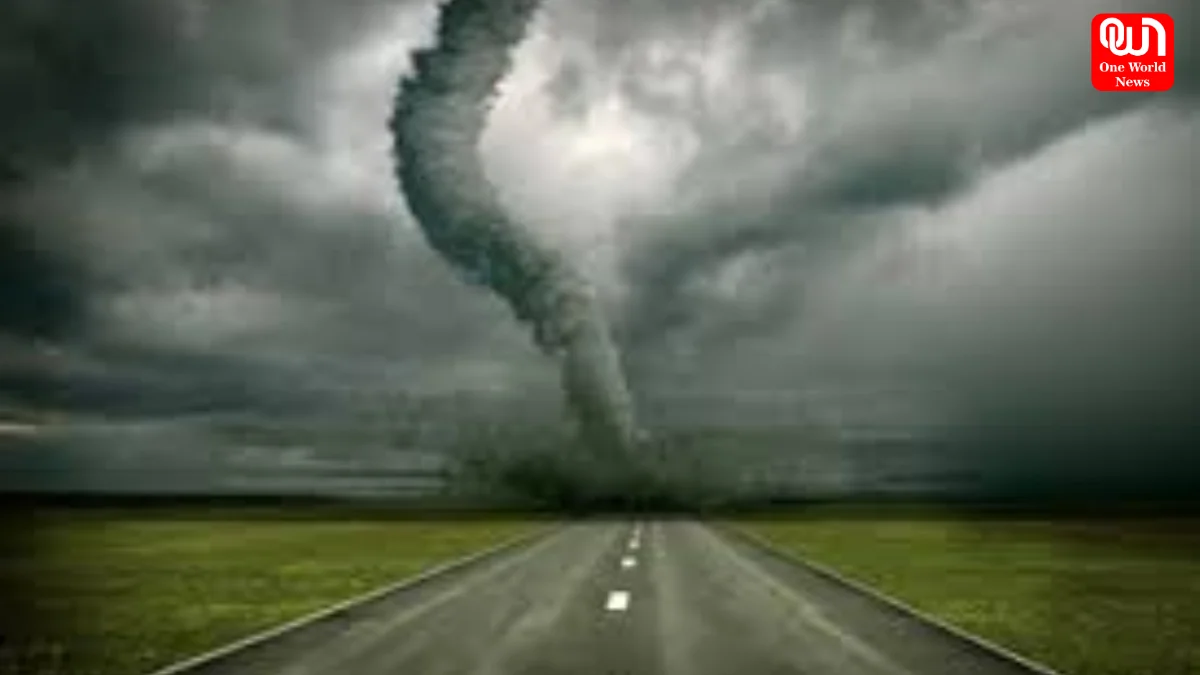
Disaster Day 2026: Why Preparedness, Awareness, and Resilience Matter More Than Ever
Disasters strike without warning, leaving behind loss, disruption, and long-lasting impact. Disaster Day 2026 serves as a crucial reminder that while disasters may be unavoidable, their consequences can be reduced through awareness, preparedness, and collective responsibility.
Observed worldwide, Disaster Day focuses on educating communities about risks, strengthening response systems, and promoting resilience in the face of natural and human-made emergencies.
Understanding What Disaster Day Represents
Disaster Day is dedicated to recognizing the devastating effects of events such as earthquakes, floods, cyclones, wildfires, industrial accidents, and pandemics. It emphasizes the importance of preparedness over reaction, highlighting that informed communities are better equipped to save lives and recover faster.
Disaster Day 2026 encourages individuals, governments, and organizations to reflect on past disasters and apply those lessons to future planning.
Why Disaster Awareness Is More Important Than Ever
In recent years, the frequency and intensity of disasters have increased due to climate change, rapid urbanization, and environmental degradation. Rising sea levels, extreme weather events, and unplanned development have made many regions more vulnerable than ever before.
Disaster Day 2026 draws attention to the urgent need for risk reduction strategies that go beyond emergency response. Awareness campaigns help people understand early warning signs, evacuation procedures, and basic safety measures that can make a critical difference during emergencies.
Preparedness Saves Lives
Preparedness is at the heart of Disaster Day. Simple actions such as having emergency kits, evacuation plans, and communication strategies can significantly reduce harm during a crisis.
Disaster Day 2026 promotes household-level readiness, encouraging families to discuss emergency plans, identify safe locations, and stay informed through official channels. Schools, workplaces, and local communities are also urged to conduct drills and training sessions to improve coordinated response.
Preparedness is not about fear — it is about confidence and control in uncertain situations.
Community Resilience and Collective Action
No individual can face disasters alone. Community resilience plays a vital role in effective disaster management. Strong social networks, local leadership, and mutual support systems often determine how well communities cope during and after disasters.
On Disaster Day 2026, emphasis is placed on building inclusive preparedness strategies that consider vulnerable groups such as children, elderly individuals, and people with disabilities. Resilient communities ensure that no one is left behind during emergencies.
Read more: Harry Styles Birthday: Celebrating the Star Who Changed Pop Culture
The Role of Technology and Innovation
Advancements in technology have transformed disaster preparedness and response. Early warning systems, satellite monitoring, mobile alerts, and data-driven forecasting have improved the ability to predict and respond to disasters.
Disaster Day 2026 highlights how innovation can reduce risks when combined with public awareness and responsible governance. However, technology alone is not enough — it must be supported by education and accessibility.
Learning from Past Disasters
Every disaster leaves behind lessons. Poor planning, lack of coordination, and delayed response have often worsened outcomes. Disaster Day serves as a moment to evaluate what went wrong and what worked.
By learning from previous events, societies can strengthen infrastructure, improve building standards, and refine emergency response frameworks. Disaster Day 2026 emphasizes that remembering past disasters is essential to preventing future tragedies.
Individual Responsibility in Disaster Preparedness
While governments and institutions play a major role, individual responsibility is equally important. Staying informed, following safety guidelines, and participating in community initiatives contribute to collective resilience.
Disaster Day 2026 encourages people to take proactive steps rather than relying solely on external help. Awareness empowers individuals to act calmly and decisively during crises.
Read more: Shakira Birthday: Honoring a Global Music Legend
Looking Ahead: From Awareness to Action
Disaster Day is not just about recognition — it is about action. The goal is to turn awareness into long-term preparedness and sustainable development practices that reduce disaster risks.
As the world faces increasing environmental and technological challenges, Disaster Day 2026 reminds us that preparedness is a shared duty. Resilience is built not only through policies and systems, but through informed, responsible, and united communities.
In the face of uncertainty, awareness becomes protection — and preparedness becomes survival.
We’re now on WhatsApp. Click to join.
Like this post?
Register at One World News to never miss out on videos, celeb interviews, and best reads.