5 Benefits and Risks of Copper Water For Plants: A Complete Guide for Healthy Garden Growth
Learn the Benefits Risks of Copper Water For Plants, how copper water affects plant growth, advantages, side effects, and safe usage tips.

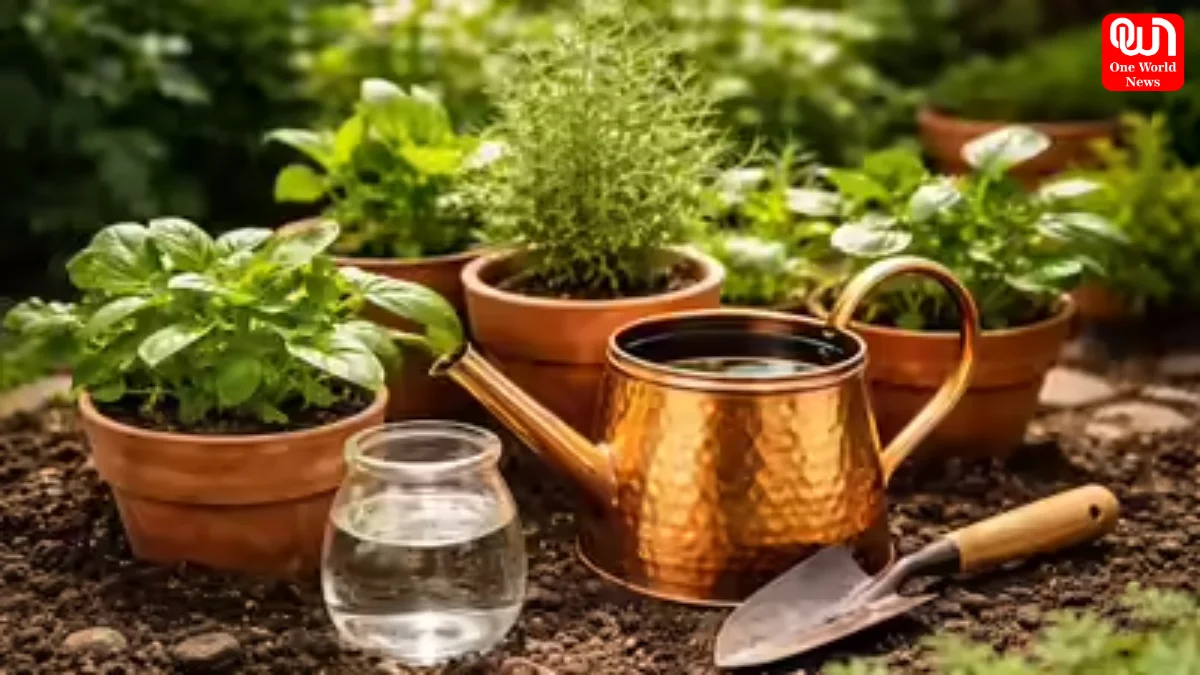
5 Benefits and Risks of Copper Water For Plants – Does Copper Water Help Plants Grow Better? Complete Guide
Many gardeners are always looking for natural ways to improve plant growth. One trend that has gained attention is using copper water for watering plants. Water stored in a copper vessel absorbs tiny amounts of copper, an essential micronutrient that plants require in very small quantities. However, while copper can support healthy plant development, excessive amounts may damage plants and soil.
Understanding the Benefits Risks of Copper Water For Plants is important before making it part of your gardening routine. Scientific studies show that copper plays an important role in photosynthesis, enzyme activation, and disease resistance, but excess copper can become toxic to roots and beneficial soil organisms.
What Is Copper Water?
Copper water is simply water that has been stored in a clean copper container for several hours. During storage, trace amounts of copper dissolve into the water. Since copper is an essential micronutrient, some gardeners believe this water may benefit plants when used occasionally.
However, copper water should never replace balanced fertilizers or proper plant nutrition. Instead, it should only be considered as an occasional supplement if used carefully.
5 Benefits of Copper Water For Plants
1. Provides Essential Micronutrients
Copper is one of the essential micronutrients required for healthy plant growth. It supports several enzyme systems that help plants produce energy and maintain normal metabolic functions. When copper levels are balanced, plants grow stronger and healthier.
2. Supports Photosynthesis
Copper helps activate enzymes involved in photosynthesis. Efficient photosynthesis enables plants to convert sunlight into energy, resulting in greener leaves and improved overall growth.
3. May Improve Disease Resistance
Copper has natural antifungal and antibacterial properties. In agriculture, copper-based compounds are commonly used to control fungal diseases. Small amounts of copper may help improve a plant’s natural resistance when used responsibly.
4. Promotes Strong Stem Development
Copper contributes to lignin formation, which strengthens plant cell walls. Stronger stems help plants remain upright and improve their ability to withstand environmental stress.
5. Helps Correct Mild Copper Deficiency
Some soils naturally contain low levels of available copper. In such cases, adding small amounts of copper through proper fertilizers—or carefully managed copper sources—can help restore healthy plant growth.
Risks of Copper Water For Plants
Although there are several Benefits Risks of Copper Water For Plants, the risks should not be ignored.
Copper Toxicity
Too much copper can burn roots, reduce plant vigor, and interfere with nutrient absorption. Copper toxicity may also reduce seed germination and stunt plant growth.
Soil Accumulation
Copper does not easily wash out of soil. Repeated watering with copper-rich water may gradually increase soil copper levels, making future toxicity problems difficult to correct.
Harm to Beneficial Soil Microorganisms
Healthy soil contains bacteria and fungi that support root development and nutrient cycling. Excess copper may reduce these beneficial microbial populations and negatively affect soil health.
Nutrient Imbalance
High copper levels can interfere with the absorption of important nutrients such as iron, zinc, and molybdenum. This may result in yellow leaves, poor growth, and nutrient deficiency symptoms.
Reduced Root Growth
Excess copper may damage root tips and slow root development, limiting the plant’s ability to absorb water and nutrients effectively.
How to Use Copper Water Safely
If you want to try copper water in your garden, follow these simple guidelines:
- Use copper water only occasionally rather than daily.
- Water healthy, established plants instead of delicate seedlings.
- Monitor plants for yellowing leaves or poor growth.
- Continue using balanced fertilizers based on your plant’s nutritional needs.
- Avoid using copper water if your soil already receives copper-based fungicides.
Moderation is the key to enjoying the possible Benefits Risks of Copper Water For Plants without creating long-term soil problems.
Reasd more: World Sake Day 2026: Date, History, Significance, Celebration Ideas & Interesting Facts
Conclusion
The Benefits Risks of Copper Water For Plants show that copper can be both helpful and harmful depending on the amount used. Small quantities of copper support photosynthesis, enzyme activity, disease resistance, and healthy growth. However, excessive copper can damage roots, reduce beneficial soil microbes, and cause long-lasting soil toxicity.
For most home gardens, occasional use of copper water is generally safer than frequent application. Maintaining balanced soil nutrition, proper watering, and regular plant care remains the best approach for healthy and productive plants.
We’re now on WhatsApp. Click to join.
Like this post?
Register at One World News to never miss out on videos, celeb interviews, and best reads.