Jago Voter Jago: The 1951 Cycle Import Case
Jago Voters: Explore the 1951 Cycle Import Case, S.A. Venkataraman’s bribery conviction, public accountability and lessons for Indian voters.

Jago Voters: The 1951 Cycle Import Case, S.A. Venkataraman and the Importance of Government Accountability
Can a government official misuse public authority to benefit a private company? What happens when an individual entrusted with administrative responsibilities is accused of accepting a bribe in exchange for official favours?
These questions take us back to the early years of independent India and the 1951 Cycle Import Case, a historical corruption case involving S.A. Venkataraman, a senior government official in the Ministry of Commerce and Industry.
The case is frequently discussed in Indian civil services training material as an example of corruption involving government licensing and import quotas. It also raises an important question for citizens: how can public authority remain accountable to the people it is meant to serve?
Read more: Three-Day Bank Strike Deferred At The Last Moment: Here’s What Changed On Sunday
This is where the message of Jago Voter Jago becomes relevant—not merely as an election awareness slogan, but as a reminder of the importance of informed citizenship.
What Was the 1951 Cycle Import Case?
In the early 1950s, India operated under an economic system in which several imports required government licences and quotas. Such permissions influenced which businesses could import particular goods and in what quantities.
According to government training material, S.A. Venkataraman, then Secretary in the Ministry of Commerce and Industry, was jailed for accepting a bribe in exchange for granting a cycle import quota to a company.
The matter was significant because it involved the alleged misuse of an official position in a process affecting private commercial interests.
Instead of treating the incident as simply a dispute over bicycles or import permissions, the case highlights a broader administrative concern: what safeguards are necessary when government officials exercise discretionary powers over licences, quotas and business opportunities?
Who Was S.A. Venkataraman?
S.A. Venkataraman was a member of the Indian Civil Service and served as Secretary to the Ministry of Commerce and Industries.
The Supreme Court’s 1954 judgment concerning Venkataraman records allegations of misconduct involving import and export licences. These included allegations that he had shown undue favour to Millars Timber and Trading Company Limited and accepted illegal gratification or valuable items in connection with licences. Similar charges concerned dealings with another firm, Sunder Das Saw Mills.
A formal inquiry was conducted under the Public Servants (Inquiries) Act, 1850. The Commissioner reported that four charges under various sub-headings had been proved, following which the government proceeded with disciplinary action.
These documented proceedings demonstrate why public office carries responsibilities beyond administrative authority.
Why Was the Cycle Import Quota Important?
An import quota is a government-imposed limit or allocation governing how much of a particular product may be imported.
In a licensing-based system, the authority responsible for approving import permissions can influence commercial opportunities. This makes transparency, consistent procedures and accountability important safeguards.
The 1951 Cycle Import Case illustrates the risks associated with the alleged exchange of official favours for personal benefits.
When decisions involving public resources or permissions are influenced by improper considerations, questions arise about fairness, institutional integrity and equal treatment.
The historical significance of the case therefore extends beyond the product involved. It concerns the relationship between administrative power and public trust.
What Can Today’s Voters Learn From This Case?
The story of the 1951 Cycle Import Case offers several points for reflection among citizens.
1. Public Authority Must Be Accountable
Government positions involve responsibilities entrusted to individuals for public purposes. Accountability mechanisms help ensure that official decisions are subject to scrutiny.
2. Transparency Matters in Decision-Making
Clear procedures, documented decisions and independent oversight can help reduce opportunities for arbitrary decisions and improper influence.
3. Promises Should Be Followed by Questions
During elections, citizens can ask candidates about their development plans, previous commitments and proposed methods of implementation.
Questions about timelines, public spending and progress can help voters understand what candidates are promising.
4. Informed Participation Goes Beyond Election Day
Democratic participation includes understanding public issues, examining available information and seeking explanations from elected representatives.
The historical case reminds citizens that accountability is relevant not only during elections but throughout the functioning of public institutions.
Jago Voter Jago: Your Vote Is Also Your Voice
The message of Jago Voter Jago is closely connected with the broader idea of voter awareness.
When a candidate visits your neighbourhood, consider asking meaningful questions:
-
What is your development plan for our locality?
-
How will you address local infrastructure and public service concerns?
-
What happened to the commitments made previously?
-
How will progress be communicated to residents?
-
What mechanisms will allow citizens to raise concerns?
These questions are relevant across political affiliations and can help voters evaluate information independently.
The objective is not to accept every promise at face value, but to understand the proposals, evidence and accountability mechanisms behind them.
Read more: LPU Controversy: Students Claim They Were Told What to Say in Rape Rumours Video
Conclusion: Remember History, Understand Responsibility
The 1951 Cycle Import Case involving S.A. Venkataraman remains a historical example of alleged corruption connected with government licensing and official authority. Its documented proceedings offer an opportunity to reflect on transparency, institutional responsibility and public trust.
For today’s citizens, the message of Jago Voter Jago is simple: an informed voter does more than participate in an election. An informed voter asks questions, examines commitments and remains engaged with public affairs.
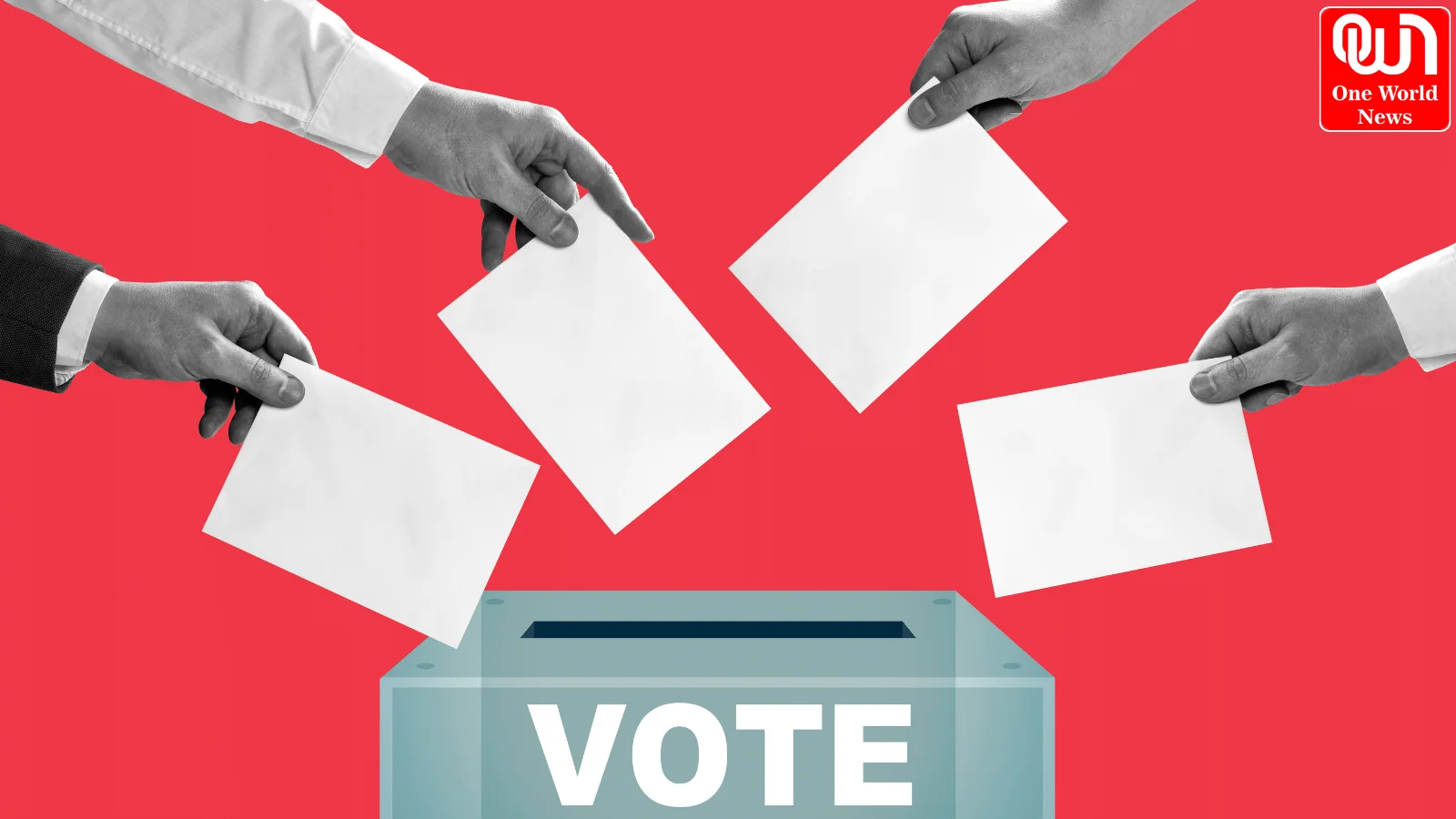
Your vote is not just a button you press. It is also the power to ask questions, seek accountability and participate in democracy.
We’re now on WhatsApp. Click to join.
Like this post?
Register at One World News to never miss out on videos, celeb interviews, and best reads.