World Pulses Day 2026: Celebrating the Power of Pulses
World Pulses Day 2026 highlights the role of pulses in nutrition, sustainable farming, and global food security across cultures.

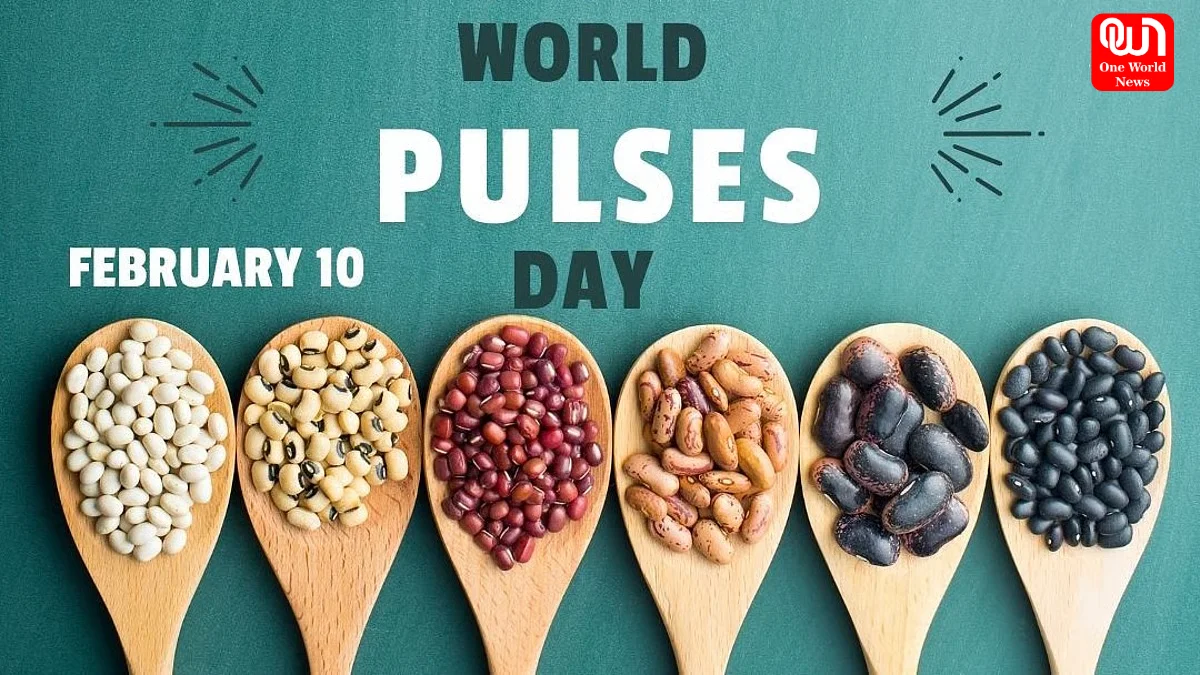
World Pulses Day 2026: Why Lentils, Beans, and Peas Matter for Nutrition, Sustainability, and Food Security
Every year, World Pulses Day 2026 draws global attention to one of the most important yet often overlooked food groups — pulses. Lentils, beans, peas, and chickpeas have been part of human diets for thousands of years, nourishing civilizations and supporting sustainable agriculture. This day is dedicated to recognizing their value for health, the environment, and global food systems.
In a world facing rising food insecurity and climate challenges, pulses offer simple but powerful solutions.
What Are Pulses?
Pulses are the edible seeds of legume plants and include foods such as lentils, dry beans, dry peas, and chickpeas. Unlike fresh vegetables, pulses are harvested as dry grains and can be stored for long periods without losing their nutritional value.
They are rich in protein, fiber, vitamins, and minerals, making them a vital source of nutrition, especially in regions where access to animal protein is limited. Pulses are also naturally low in fat and free from cholesterol, supporting balanced and heart-healthy diets.
The Nutritional Importance of Pulses
One of the key messages of World Pulses Day 2026 is the role pulses play in fighting malnutrition. They provide essential nutrients such as iron, potassium, magnesium, and B vitamins. Their high fiber content supports digestion and helps regulate blood sugar levels.
For vegetarians and plant-based eaters, pulses are an essential protein source. When combined with grains, they form complete proteins, offering all essential amino acids needed by the body.
Regular consumption of pulses has also been linked to reduced risk of chronic diseases, including diabetes and heart disease.
Pulses and Sustainable Agriculture
Beyond nutrition, pulses play a crucial role in sustainable farming. Legume plants have a natural ability to fix nitrogen in the soil, improving soil fertility and reducing the need for chemical fertilizers.
This process lowers greenhouse gas emissions and supports healthier ecosystems. Pulses also require less water compared to many other crops, making them well-suited for cultivation in water-scarce regions.
World Pulses Day 2026 emphasizes how pulses contribute to climate-smart agriculture and help farmers adapt to changing environmental conditions.
Resad more: Vidya Balan Birthday 2026: A Journey of Talent, Courage, and Change
A Staple Across Cultures
Pulses are deeply embedded in culinary traditions around the world. From lentil soups and bean stews to chickpea curries and pea-based dishes, they appear in countless forms across cultures.
In many countries, pulses are everyday foods rather than specialty items. Their affordability and versatility make them accessible to households of all income levels, reinforcing their importance in global diets.
World Pulses Day celebrates this shared food heritage that connects communities across borders.
Pulses and Global Food Security
As the global population grows, ensuring access to affordable and nutritious food becomes increasingly important. Pulses play a critical role in strengthening food security due to their long shelf life, low cost, and high nutritional value.
They support small-scale farmers and contribute to resilient food systems, especially in developing regions. By promoting pulses, World Pulses Day 2026 highlights pathways toward reducing hunger and improving livelihoods.
How World Pulses Day Is Observed
On World Pulses Day 2026, governments, food organizations, and agricultural groups organize awareness campaigns, educational programs, and culinary events. Nutritionists and educators use the occasion to promote pulse-based diets and sustainable eating habits.
Social media platforms are filled with recipes, facts, and discussions about the benefits of pulses, encouraging people to incorporate them into daily meals.
The day also supports farmers by raising awareness of the economic and environmental value of pulse crops.
Pulses in Modern Diets
Modern food trends have brought pulses back into focus. They are now commonly used in plant-based foods, protein alternatives, and health-focused recipes. From hummus and lentil salads to bean-based snacks, pulses continue to evolve with contemporary tastes.
Read more: Nana Patekar Birthday 2026: A Tribute to a Fearless Actor and Changemaker
This renewed interest aligns perfectly with the goals of World Pulses Day 2026, which encourages healthier, more sustainable food choices.
Looking Ahead
World Pulses Day 2026 reminds us that solving global challenges does not always require complex solutions. Sometimes, answers are already growing in our fields and kitchens.
By choosing pulses, individuals support their own health, protect the environment, and contribute to global food security. Pulses may be small, but their impact is enormous.
As awareness grows, pulses are set to remain at the heart of sustainable diets and resilient food systems for generations to come.
We’re now on WhatsApp. Click to join.
Like this post?
Register at One World News to never miss out on videos, celeb interviews, and best reads.