India Free To Buy Oil From Any Country, Russia Says New Delhi Energy Purchases Are Its Own Call
Russia says India Free To Buy Oil From Any Country, underscoring that New Delhi’s energy purchases are sovereign despite US claims on Russian crude imports.

‘India Free To Buy Oil From Any Country’: Russia Says New Delhi’s Energy Purchases Are Its Own Call in Global Markets
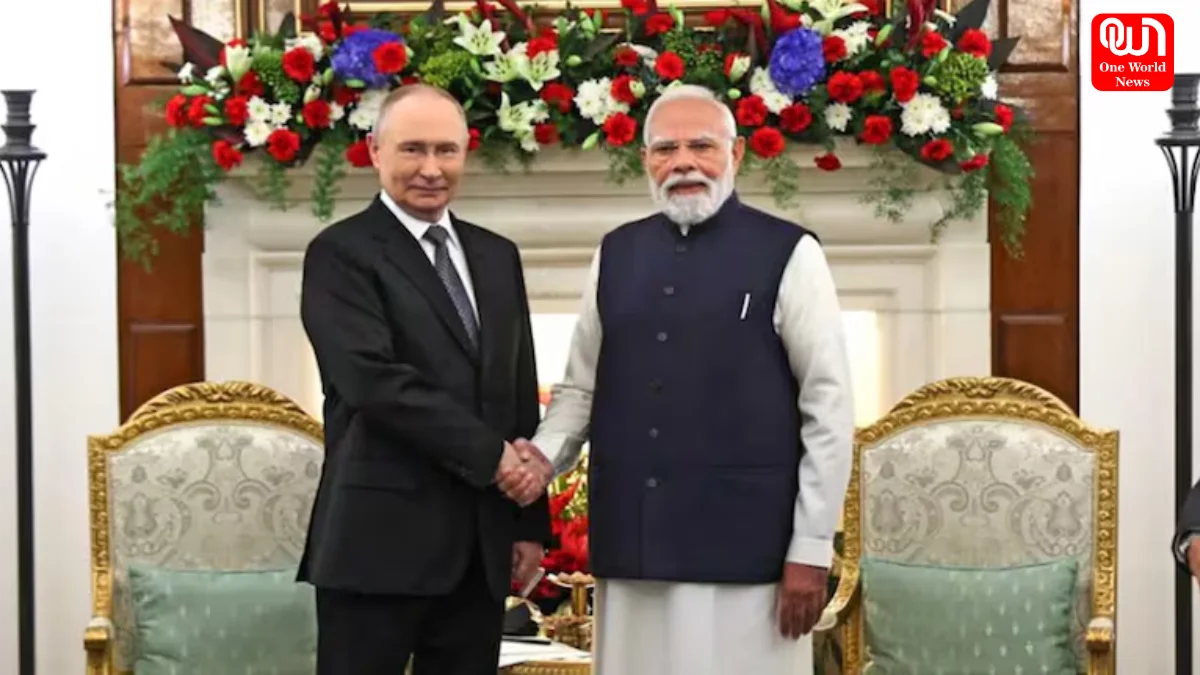
In a recent development that has stirred global attention, Russia says India Free To Buy Oil From Any Country, emphasizing that New Delhi Energy Purchases are a matter of national choice and not dictated by external agreements. The clarification came amid conflicting claims over a reported trade deal between India and the United States that included allegations of India agreeing to stop importing Russian oil.
Russia’s response reflects broader geopolitical dynamics, where energy policy and international diplomacy intersect. Moscow’s statement is significant, not just for its message of respect for India’s autonomy, but also for its implications on global energy markets and diplomatic relations.
Context: US Claims and Diplomatic Backdrop
U.S. President Donald Trump recently announced what he described as a trade deal with India, claiming that Indian Prime Minister Narendra Modi had agreed to halt shipments of Russian crude and shift purchases to American and potentially Venezuelan oil producers. According to Trump, in return the United States would offer reduced tariffs on Indian imports.
However, officials in India did not publicly confirm any commitment to stop buying Russian oil as part of this deal. Modi’s own statements and posts focused primarily on trade cooperation and tariff reductions, with no mention of energy purchase commitments or supplier changes. This discrepancy triggered reactions from global players, including Russia.
Russia’s Clarification and Its Message
Amid these claims, Russia responded by stressing that India is free to purchase oil from any supplier it chooses and that its efforts to diversify energy sources are not a recent or novel strategy. Kremlin spokesperson Dmitry Peskov emphasized that India has historically sourced crude from many countries and that there has been no official communication from New Delhi about ending Russian oil imports.
Speaking to reporters, Peskov noted that India’s diversified procurement approach is well known and that there was “nothing new” in this stance. The Russian Foreign Ministry also underlined that its energy trade with India remains mutually beneficial and contributes to stability in the global energy market.
Read more: ICC Deputy Chairman Imran Khwaja Asked to Convince Pakistan to Face India at T20 WC
Why India’s Oil Policy Matters
India is one of the world’s largest energy importers, with nearly 90% of its crude oil needs met through overseas purchases. Given this reliance, the country’s energy sourcing decisions have substantial impacts on both domestic economic planning and international relations. Russia has been one of India’s major suppliers, especially since Western nations reduced their reliance on Russian oil after sanctions tied to the Ukraine conflict.
During the early 2020s, India became a key buyer of discounted Russian crude, notably after the Russian invasion of Ukraine when other nations curtailed their purchases. Despite global sanctions and geopolitical pressure, Indian refineries continued purchasing Russian barrels due to pricing advantages and long-standing contracts.
Diversifying Oil Sources: Practical Realities
Analysts note that while India may diversify its energy imports, completely replacing Russian crude is not straightforward. Different crude grades, refinery configurations, and contractual obligations play a role in procurement decisions. Some experts argue that U.S. and Venezuelan oil grades differ significantly from Russian crude, which can affect blending requirements and cost structures for Indian refiners.
In addition, despite recent reductions in Russian crude imports, energy data suggests India remains a major buyer, challenging the narrative of a full pivot away from Moscow. While imports have slowed in the past year, the shift appears gradual rather than a sudden policy reversal.
Global Energy Market Implications
The debate over India’s oil sourcing is not isolated to bilateral trade relations but tied to broader global energy market stability. Russia, as a significant oil exporter, has consistently pointed to India’s purchases as a stabilizing factor in global crude demand, even as markets adjust to sanctions, price caps, and shifting demand patterns.
At the same time, the United States has advocated for energy independence among its allies and partners, promoting American and Venezuelan crude as alternatives. While this strategy aligns with broader diplomatic goals, its practical success depends on pricing, quality compatibility, and logistical feasibility.
India’s Sovereign Choice
At its core, the assertion that Russia says India Free To Buy Oil From Any Country underscores India’s sovereign right to make energy decisions based on its national interests. With energy security being a top priority for India’s growing economy, decisions on crude imports balance economic, strategic, and diplomatic considerations.
Read more: Political Roundup: Key Global Political Developments Explained
India’s approach to energy diversification reflects pragmatic policy-making in a complex global environment where geopolitics, market forces, and national priorities constantly intersect.
Looking Ahead
As global energy dynamics continue to evolve, India’s strategy will likely remain adaptive — seeking stable supplies, favorable pricing, and diversified partners. The latest statements from Russia highlight not only the complexity of global oil politics but also the importance of respecting sovereign economic choices in international relations.
In any case, discussions around India Free To Buy Oil From Any Country and New Delhi Energy Purchases will continue to shape dialogues between major powers, energy markets, and policy analysts in the months ahead.
We’re now on WhatsApp. Click to join.
Like this post?
Register at One World News to never miss out on videos, celeb interviews, and best reads.