Delhi Reports 162 Dengue Cases Ahead Of Monsoon; Experts Urge Preventive Measures To Prevent Outbreak
Delhi Reports 162 Dengue Cases ahead of monsoon 2026. Experts urge preventive measures to stop mosquito breeding and reduce infections.

Delhi Reports 162 Dengue Cases Ahead Of Monsoon 2026: Health Experts Advise Residents To Take Preventive Measures Against Rising Dengue Threat
As the monsoon season approaches, health authorities in Delhi have raised concerns over the increasing number of dengue infections across the city. According to the latest data released by the Municipal Corporation of Delhi (MCD), Delhi Reports 162 Dengue Cases so far in 2026, making dengue the most reported vector-borne disease in the national capital. The city has also recorded 42 malaria cases and nine chikungunya cases this year.
With rainfall expected to increase in the coming weeks, medical experts are urging residents to take preventive measures immediately to avoid a potential dengue outbreak. Dengue cases typically rise during and after the monsoon season due to the rapid breeding of mosquitoes in stagnant water.
Delhi Reports 162 Dengue Cases: What the Data Reveals
The latest MCD report indicates that dengue continues to be the leading vector-borne disease in Delhi. Officials reported that 10 new dengue cases were added over the past fortnight. While the current figures remain lower than the same period last year, health authorities are not taking any chances as monsoon conditions can accelerate mosquito breeding significantly.
Several areas across Delhi have reported mosquito breeding sites, prompting civic authorities to intensify inspections and awareness campaigns. More than 8.3 lakh household inspections were conducted recently, and mosquito larvae were found in thousands of homes.
Why Dengue Cases Increase During Monsoon
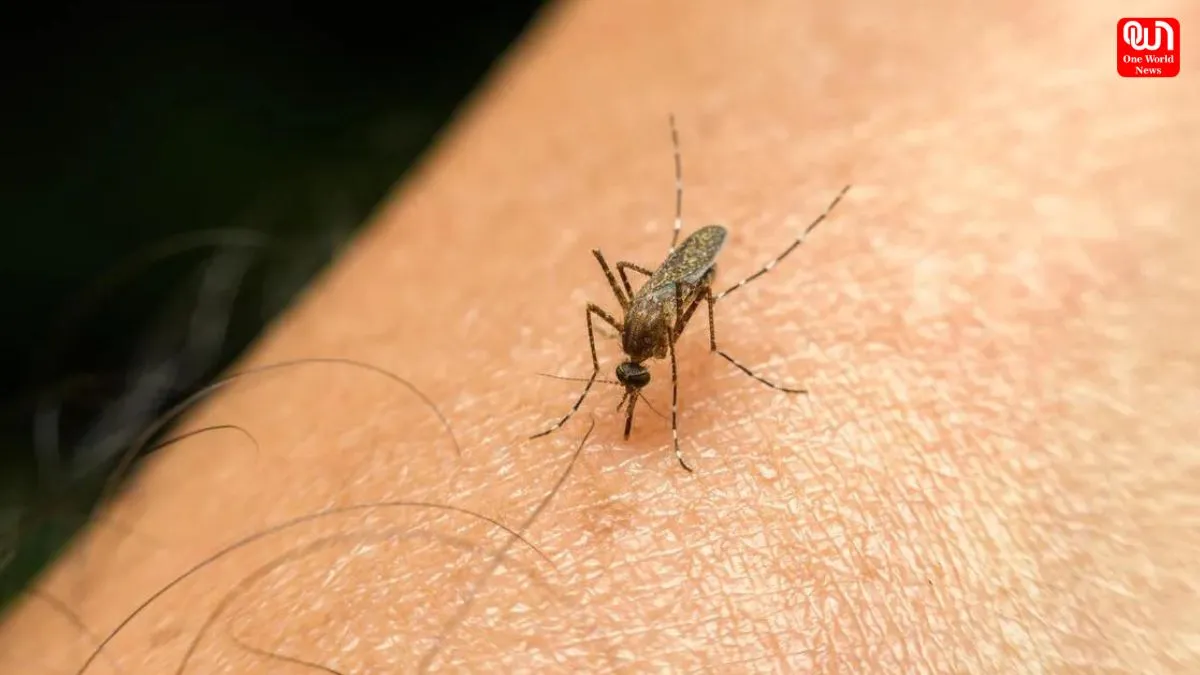
Dengue is caused by the dengue virus and spreads through the bite of infected Aedes mosquitoes. These mosquitoes breed in clean, stagnant water commonly found in:
- Water coolers
- Flower pots
- Buckets and containers
- Construction sites
- Rooftop water tanks
- Discarded tyres
During monsoon, water accumulation creates ideal breeding conditions, leading to a sharp rise in mosquito populations and dengue transmission.
Common Symptoms of Dengue
Health experts advise residents to seek medical attention if they experience symptoms such as:
- High fever
- Severe headache
- Pain behind the eyes
- Muscle and joint pain
- Skin rashes
- Nausea and vomiting
- Extreme fatigue
Early diagnosis and treatment can help prevent severe complications associated with dengue fever.
Preventive Measures Recommended by Experts
To reduce the risk of dengue infection, experts recommend the following precautions:
1. Eliminate Stagnant Water
Empty and clean water containers regularly. Ensure that coolers, buckets, and flower pots do not collect standing water.
2. Use Mosquito Repellents
Apply mosquito repellents, especially during daytime when Aedes mosquitoes are most active.
3. Wear Protective Clothing
Wear full-sleeved shirts, long pants, and socks to minimize mosquito bites.
4. Install Mosquito Screens
Use mesh screens on doors and windows to keep mosquitoes out of homes.
5. Maintain Clean Surroundings
Regularly inspect your home and neighborhood for potential mosquito breeding sites.
Civic Authorities Intensify Anti-Dengue Campaign
The Municipal Corporation of Delhi has significantly expanded its anti-mosquito efforts. Authorities have conducted over 1.7 crore household inspections since January and issued thousands of notices against properties where mosquito breeding was detected. These measures aim to reduce mosquito populations before the peak monsoon season arrives.
Public participation remains crucial in controlling dengue. Health officials emphasize that community awareness and household-level prevention can significantly reduce infection rates.
Conclusion
The fact that Delhi Reports 162 Dengue Cases before the arrival of peak monsoon season serves as an important warning for residents. While current numbers remain manageable, the upcoming rains could increase the risk of mosquito-borne diseases if preventive measures are ignored. By maintaining cleanliness, eliminating stagnant water, and following expert recommendations, Delhi residents can play a vital role in preventing a larger dengue outbreak during the monsoon months.
We’re now on WhatsApp. Click to join.
Like this post?
Register at One World News to never miss out on videos, celeb interviews, and best reads.