Bilas Khan: The Echo Behind the Legend of Tansen
Bilas Khan, son of Tansen, created the haunting Raga Bilaskhani Todi, proving greatness can exist beyond fame and royal applause.

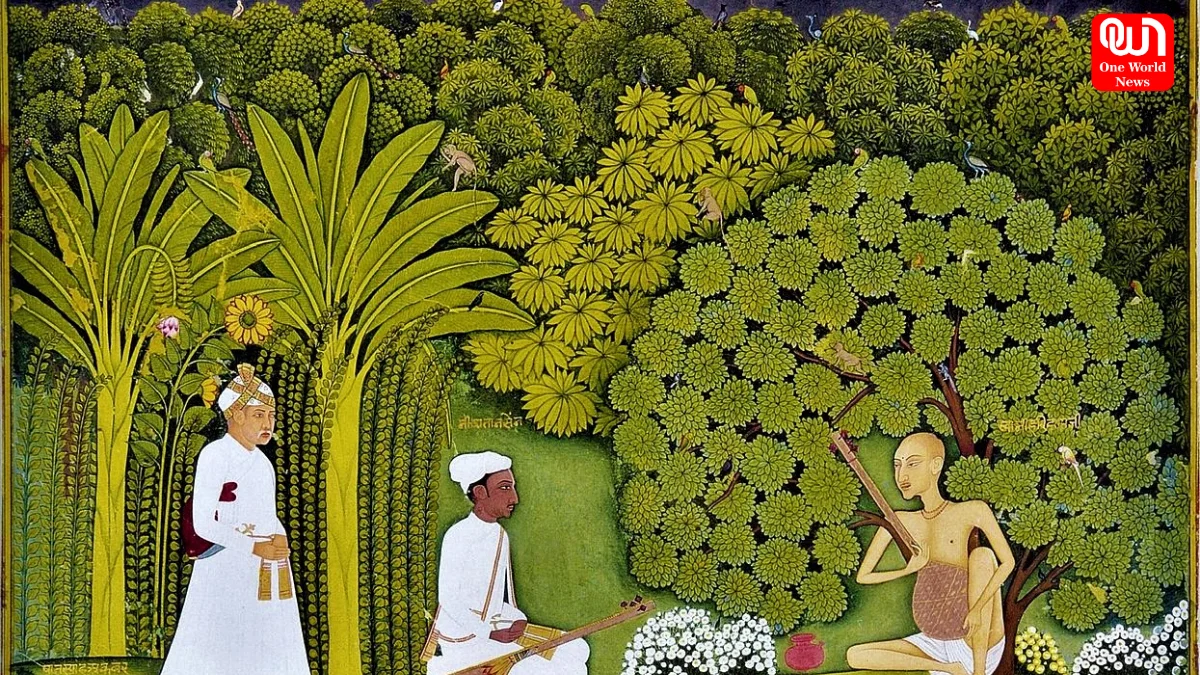
Bilas Khan: The Forgotten Musical Genius Who Lived in the Shadow of Tansen’s Immortality
In the grand narrative of Indian classical music, few names shine as brightly as Tansen. Revered as a musical miracle, his legacy is wrapped in legend — ragas that could light lamps, summon rain, and silence royal courts. Yet hidden behind that immortal brilliance is another story, quieter but no less profound. It is the story of Bilas Khan, a gifted musician whose life unfolded in the shadow of greatness.
Born as the son of Tansen, Bilas Khan inherited not only music, but expectation.
Read more: Bangladesh Violence: Sheikh Mujibur Rahman’s Home Torched Again; Journalists Rescued
Born Into a Legacy That Left No Space for Comparison
To be Tansen’s son was both a blessing and a burden. While many would assume privilege and instant recognition, the reality was far more complex. Every note Bilas Khan played was inevitably measured against his father’s unmatched stature.
He was not merely Tansen’s child — he was his disciple, trained rigorously in the demanding tradition of Dhrupad, where discipline, depth, and devotion mattered more than ornamentation. Bilas Khan’s music was introspective, restrained, and emotionally rich. It did not aim to impress nature or dazzle emperors. It spoke quietly, directly, to the soul.
A Musician of Depth, Not Display
Unlike the dramatic legends surrounding Tansen, Bilas Khan’s artistry lay in emotional subtlety. His compositions were marked by introspection rather than spectacle. He valued feeling over flourish and meaning over mastery.
Courts may not have echoed with his name, but those who heard him perform spoke of a musician capable of stilling an entire hall — not through grandeur, but through emotional weight. In a world that celebrated volume and virtuosity, Bilas Khan chose restraint.
Grief That Gave Birth to a Timeless Raga
Legend holds that when Tansen passed away, the loss shattered Bilas Khan. Overcome with grief, he turned not to words or withdrawal, but to music. From this sorrow emerged a raga unlike any heard before — Raga Bilaskhani Todi.
This raga is not celebratory. It does not rise triumphantly or sparkle with joy. Instead, it mourns. Each note carries longing, loss, and an aching tenderness. It is said to embody a son’s lament for his father — music shaped by love and absence.
Even today, when Bilaskhani Todi is performed, it carries an unmistakable gravity. It feels less like a performance and more like a conversation with grief.
The Irony of Immortality
While Raga Bilaskhani Todi achieved immortality, the man behind it faded from popular memory. Bilas Khan did not chase royal favor, public acclaim, or historical recognition. He never tried to surpass or replicate his father’s legend.
Instead, he chose silence over spotlight, depth over display, and emotion over applause.
In doing so, history quietly turned away.
Why Bilas Khan Was Forgotten
History often favors spectacle over subtlety. Names that roar tend to survive, while those that whisper are overlooked. Bilas Khan did not fit the myth-making mold. He did not produce miracles — he produced meaning.
His legacy lived on not in biographies or monuments, but in melody.
Read more: No Entry For Old Cars, No Fuel Without Pollution Rule Begins in Delhi
The Echo That Still Lives
Legends do not always vanish. Sometimes, they hide between notes.
Every time Bilaskhani Todi is played, Bilas Khan breathes again — not as Tansen’s son, but as a master in his own right. His music reminds us that greatness does not always announce itself. Sometimes, it weeps softly, waiting for listeners who are willing to feel rather than admire.
Remembering the Forgotten
Bilas Khan’s story forces us to ask uncomfortable questions. How many voices have we silenced simply because they were born next to thunder? How many echoes have we ignored because they did not roar?
To remember Bilas Khan is to honor the quieter legacies — the ones shaped by devotion, grief, and humility. His life is a testament to the idea that true artistry does not demand recognition. It simply endures.
Some stories are not written in history books.
They are whispered through time, waiting to be heard.
We’re now on WhatsApp. Click to join.
Like this post?
Register at One World News to never miss out on videos, celeb interviews, and best reads.