World AIDS Vaccine Day 2026
World AIDS Vaccine Day 2026 highlights global efforts, research progress, and challenges in developing an effective HIV vaccine.

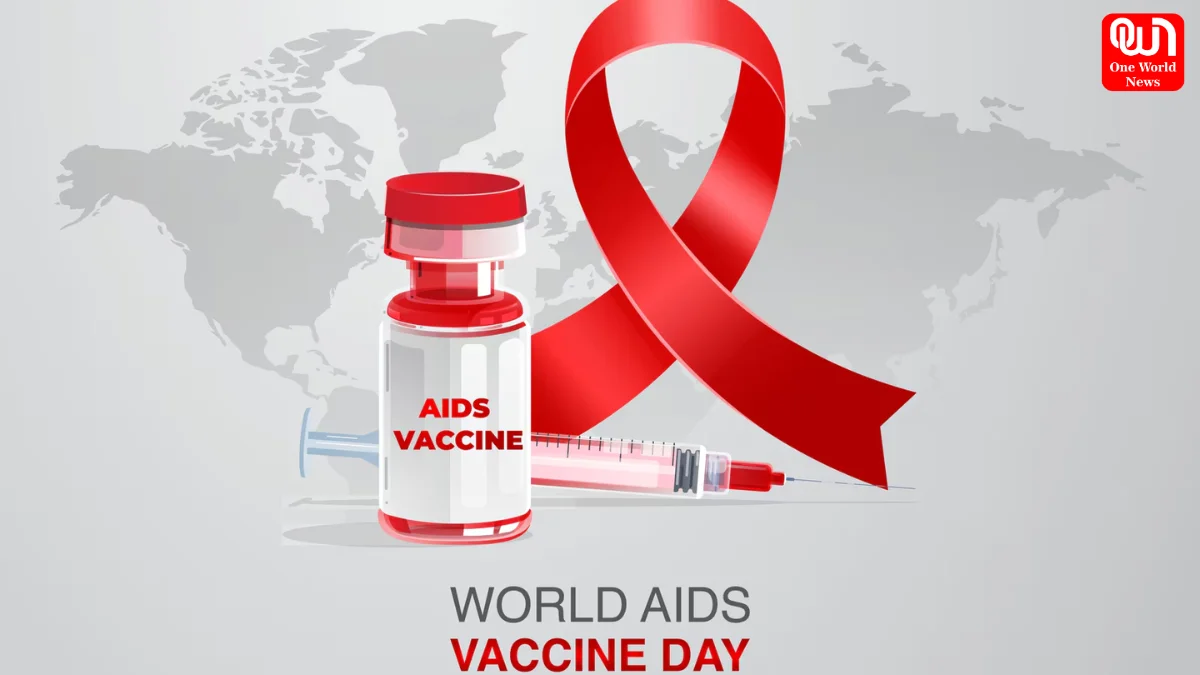
World AIDS Vaccine Day 2026: Progress, Challenges, and the Global Fight for an HIV Vaccine
World AIDS Vaccine Day 2026 is observed on May 18 to raise awareness about the urgent need for a safe and effective vaccine against HIV. The day honors the dedication of scientists, healthcare workers, and volunteers who are working tirelessly to end one of the most challenging global health crises. It also serves as a reminder that despite decades of research, the fight against HIV/AIDS is far from over.
The origin of World AIDS Vaccine Day dates back to 1997, when Bill Clinton emphasized the importance of developing an AIDS vaccine in a commencement speech at Morgan State University. Since then, May 18 has been recognized globally as a day to promote awareness, education, and research efforts.
Why an HIV Vaccine Is Still Crucial
HIV (Human Immunodeficiency Virus) continues to affect millions of people worldwide. According to global health organizations like World Health Organization and UNAIDS, tens of millions of people are currently living with HIV. While antiretroviral therapy (ART) has significantly improved life expectancy and quality of life, it is not a cure.
A vaccine remains the most effective long-term solution to prevent new infections. Unlike treatment, a vaccine could potentially eliminate transmission at a population level. However, HIV is a complex virus that mutates rapidly and attacks the immune system itself, making vaccine development extremely challenging.
Read more: International Nurses Day: Honouring the Backbone of Healthcare
Progress in HIV Vaccine Research
As of World AIDS Vaccine Day 2026, researchers have made meaningful progress. Several vaccine candidates have reached clinical trial stages, with some showing promising immune responses. Innovative technologies, including mRNA platforms—similar to those used during the COVID-19 pandemic—are now being explored for HIV vaccines.
Organizations like International AIDS Vaccine Initiative and partnerships involving pharmaceutical companies are accelerating research efforts. These collaborations bring together global expertise, funding, and cutting-edge science.
Even though no vaccine has been fully approved yet, each study contributes valuable insights. Scientists are learning more about how the immune system interacts with HIV, which is critical for designing an effective vaccine.
Challenges in Developing an HIV Vaccine
The development of an HIV vaccine faces unique scientific and logistical challenges. One of the biggest obstacles is the virus’s ability to mutate rapidly, creating multiple strains. This diversity makes it difficult to create a single vaccine that works universally.
Another challenge is the lack of natural immunity. Unlike some diseases where recovery leads to immunity, the human body does not naturally eliminate HIV. This means researchers cannot simply replicate a natural immune response.
Funding and global coordination also play a role. Sustained investment is required to support long-term research, clinical trials, and distribution strategies. World AIDS Vaccine Day 2026 emphasizes the importance of continued funding and international cooperation.
The Role of Awareness and Community Participation
World AIDS Vaccine Day is not only about science—it is also about people. Volunteers who participate in clinical trials are essential to vaccine development. Their contribution helps researchers test safety and effectiveness, bringing us closer to a breakthrough.
Public awareness campaigns play a key role in reducing stigma associated with HIV/AIDS. Education encourages testing, prevention, and support for those living with HIV. Communities, governments, and organizations must work together to create an environment where research and healthcare can thrive.
Read more: World Hypertension Day 2026
Looking Ahead: Hope for the Future
World AIDS Vaccine Day 2026 represents both reflection and hope. While challenges remain, the progress achieved over the years is significant. Advances in technology, global collaboration, and increased awareness are paving the way for future success.
The fight against HIV/AIDS requires persistence, innovation, and unity. A successful vaccine would not only save millions of lives but also mark a historic achievement in medical science.
Until that day arrives, World AIDS Vaccine Day continues to inspire action, honor dedication, and remind the world that ending HIV/AIDS is possible with sustained effort and commitment.
We’re now on WhatsApp. Click to join.
Like this post?
Register at One World News to never miss out on videos, celeb interviews, and best reads.