Types of Wound Debridement Explained
This process, known as wound debridement, is essential for treating chronic wounds, burns, and infected injuries.

Understanding the Basics of Wound Cleaning
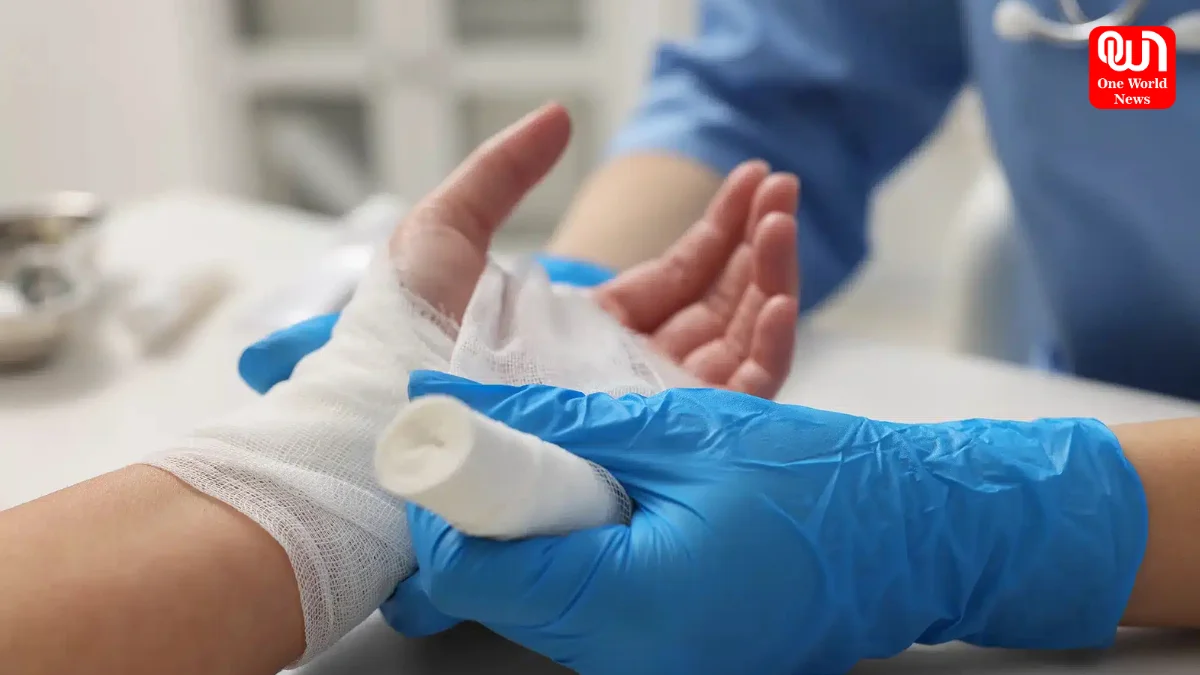
When wounds fail to heal properly, dead or damaged tissue can create a barrier that prevents recovery. Medical professionals use various techniques to remove this problematic tissue and promote healing. This process, known as wound debridement, is essential for treating chronic wounds, burns, and infected injuries. The method chosen depends on factors like wound size, patient health, and the amount of tissue that needs removal.
Different approaches offer unique advantages and limitations. Some methods work quickly but require specialized skills, while others take longer but can be performed at home. Understanding these options helps patients and caregivers make informed decisions about wound care.
Surgical Debridement for Rapid Results
Surgical debridement involves using scalpels, scissors, or other sharp instruments to remove dead tissue. This method is typically performed by surgeons or specially trained healthcare providers in clinical settings. It’s the fastest way to remove large amounts of damaged tissue and is often necessary for severe wounds or infections.
The procedure can be done at the bedside for small areas or in an operating room for extensive wounds. While it provides immediate results, surgical debridement requires local or general anesthesia and carries risks like bleeding. It’s particularly useful when infection threatens to spread or when other methods would take too long.
Mechanical Approaches to Tissue Removal
Mechanical debridement uses physical force to remove dead tissue from wounds. One common technique involves wet-to-dry dressings, where moistened gauze is applied to the wound and allowed to dry. When removed, the gauze pulls away dead tissue along with it.
Other mechanical methods include wound irrigation with pressurized fluids and specialized devices that create negative pressure. These approaches are less selective than surgical methods, meaning they may remove some healthy tissue along with the damaged areas. However, they’re often more accessible and can be performed by nurses or trained caregivers.
Enzymatic Debridement Using Chemical Agents
Enzymatic debridement relies on topical medications containing specific enzymes that break down dead tissue. These ointments are applied directly to the wound and work gradually over several days or weeks. The enzymes selectively target necrotic tissue while leaving healthy cells relatively undisturbed.
This method is particularly useful for patients who cannot tolerate surgical procedures or when wounds are in sensitive areas. It requires consistent application and monitoring by healthcare providers. While slower than surgical options, enzymatic debridement offers a gentler approach with fewer complications.
Autolytic Debridement Through Natural Processes
Autolytic debridement harnesses the body’s own enzymes and moisture to break down dead tissue. Healthcare providers create an optimal environment by applying moisture-retaining dressings like hydrogels or transparent films. These dressings keep the wound moist, allowing natural enzymes to digest necrotic material.
This is the most selective and painless method available. It works well for patients with adequate immune systems and wounds that aren’t severely infected. The main drawback is time, as autolytic debridement can take weeks to achieve results. It’s often combined with other methods for better outcomes.
Biological Debridement with Medical Maggots
Though it may sound unusual, biological debridement using sterile medical maggots is an effective option for certain wounds. These specially raised larvae consume only dead tissue, leaving healthy tissue intact. They also secrete substances that fight bacteria and promote healing.
Maggot therapy is particularly valuable for wounds that haven’t responded to other treatments or when antibiotic-resistant infections are present. The maggots are contained in special dressings and removed after a few days. While some patients initially resist this approach, it has proven successful for challenging wounds.
Read More: Dentist Day 2026: Celebrating the Guardians of Oral Health
Choosing the Right Method for Each Situation
Selecting the appropriate debridement technique requires careful assessment of multiple factors. Healthcare providers consider the wound’s location, depth, and amount of dead tissue present. Patient factors like pain tolerance, overall health, and ability to attend follow-up appointments also play crucial roles.
Many patients benefit from combination approaches, where different methods are used sequentially or simultaneously. For example, surgical debridement might provide initial rapid cleaning, followed by autolytic methods for ongoing maintenance. The goal is always to promote healing while minimizing discomfort and complications.
Moving Forward with Proper Wound Care
Effective wound management requires more than just removing dead tissue. After debridement, ongoing care including proper dressing changes, infection monitoring, and addressing underlying health issues remains essential. Patients should maintain open communication with their healthcare providers and report any concerns promptly.
With the right approach tailored to individual needs, most wounds can heal successfully. Understanding the various debridement options empowers patients to participate actively in their care and achieve the best possible outcomes.
We’re now on WhatsApp. Click to join.
Like this post?
Register at One World News to never miss out on videos, celeb interviews, and best reads.