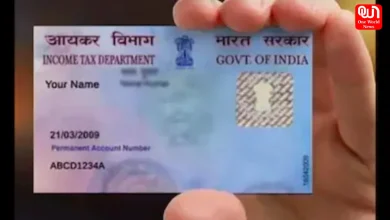
Open Demat Account Securely: Latest SEBI-Recommended Safety Tips for Your Trading Profile
You must first understand these security measures before you proceed to Open Demat Account and start trading.

With the rapid growth of online investing in India, more retail participants are entering the stock markets than ever before. While digital platforms have made investing convenient, they have also increased the importance of account security. As a result, the Securities and Exchange Board of India (SEBI) has established multiple protection measures that include best practices and guidelines, which help investors secure their trading accounts. You must first understand these security measures before you proceed to Open Demat Account and start trading.
The article explains SEBI-recommended safety practices that can help investors decrease their risk and trade with confidence across different Types of Demat Account.
Why Demat Account Security is Important
A Demat account functions as a digital account which holds your financial assets, including shares, bonds, ETFs, and mutual funds. Any unauthorized access to the system can result in financial loss and or misuse of personal data. SEBI requires investors to complete all account holder verification processes through its established identity authentication and personal data protection standards.
Both security measures and operational procedures exist to ensure investors maintain safe practices when handling their accounts.
SEBI Rules You Should Know Before Opening a Demat Account
Before you open a demat Account, it is important to understand the regulatory framework:
Mandatory KYC verification: The verification process needs both identity and KYC authentication through PAN identification.
Registered intermediaries only: You need to open your account through SBI registered brokers or through Depository Participants who hold SEBI registration.
Transparent disclosure: Brokers must provide complete information about all fees which they charge and all potential hazards which their customers face, and their procedures for handling complaints.
Investor consent: Investors must give permission before any transaction can proceed.
Secure Account Opening: SEBI-Recommended Practices
Use Only SEBI-Registered Brokers
You need to check the broker’s SEBI registration number and their membership status with NSE or BSE before you proceed. This procedure verifies that the platform operates according to established regulations while protecting the interests of investors.
Complete KYC Carefully
During the KYC process, applicants must provide correct personal information, which includes their banking information and nominee details. Mismatched information can create operational issues and delay account services.
Enable Two-Factor Authentication (2FA)
SEBI requires brokers to implement two-factor authentication for both user logins and transaction activities. Users must provide a password together with a one-time password, which they receive through their registered mobile or email.
Password and Login Safety
SEBI strongly encourages investors to follow basic security practices:
- Create strong, unique passwords for trading platforms
- Avoid using public or shared devices for trading
- Never share login credentials, OTPs, or PINs
- Change passwords periodically
Unauthorized access risks decrease by following these basic security measures.
Understand Authorisations and Alerts
SEBI mandates that investors receive real-time alerts for all transactions. You should:
- Monitor SMS and email alerts for trades and fund movements
- Review contract notes sent after every transaction
- Check periodic Demat account statements from NSDL or CDSL
- Immediate reporting of discrepancies helps prevent further misuse.
Read More: National One Cent Day: Celebrating the Legacy of America’s Smallest Coin
How to Handle Suspicious Activity
SEBI recommends that investors act promptly if they notice unusual activity:
- Inform your broker immediately
- Change passwords and access credentials
- File a complaint through the broker’s grievance cell
- Inform unresolved issues to SEBI SCORES (online grievance portal)
Conclusion
Opening a Demat account securely can be an effective means for an investor to invest in India’s capital markets confidently. While digital platforms have made it easier to Open Demat Account, investors must consider the benefits versus the risks associated with a demat account, as there are many security measures in place for securely opening and the different types of demat account available.
In addition to SEBI’s recommendations for safe practice and ongoing monitoring of your accounts, it is important that each investor makes their choices from within the methods recommended by SEBI for compliance in trading and maintaining a safe, long-term investment experience.
FAQ
- Does SEBI guarantee the safety of my Demat account?
The Security of your Demat Account relies on two factors: SEBI establishes regulatory frameworks and protective measures, while investors need to implement security protocols which protect their assets.
- Can a broker access my Demat account without permission?
No. SEBI regulations require explicit investor authorisation for any transaction.
- What should I do if I forget my trading account password?
Use the official password reset option provided by your broker and avoid sharing credentials with third parties.
We’re now on WhatsApp. Click to join.
Like this post?
Register at One World News to never miss out on videos, celeb interviews, and best reads.