The 2026 Guide to Digital Savings Accounts: Why Physical Branches No Longer Matter
A digital savings account is not a simplified version of a traditional account. It is the primary model. Most banks now design their systems, assuming...

For decades, opening and managing a savings account meant visiting a bank branch. Forms were physical, verification was manual, and even simple updates required in-person visits. That experience shaped how people associated trust with physical presence.
By 2026, that model no longer reflects how banking actually works.
How Digital Savings Accounts Work Today
A digital savings account is not a simplified version of a traditional account. It is the primary model. Most banks now design their systems, assuming customers will interact digitally first.
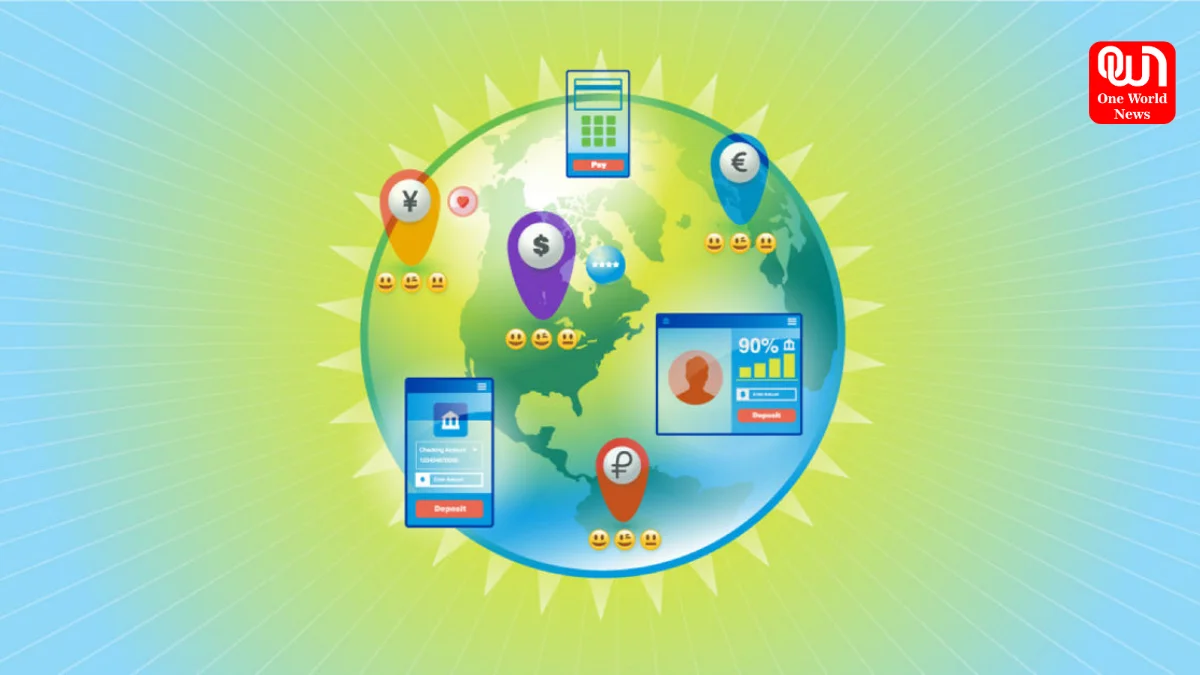
With online bank account opening, the entire process can be completed remotely. Identity verification, document submission, photographs, and consent are handled digitally through secure platforms. Video KYC and OTP-based authentication replace physical counters and signatures.
Once the account is active, core functions such as balance checks, transfers, bill payments, and savings automation are managed through apps or web dashboards.
What Digital Accounts Do Better Than Branch-Based Banking
Digital savings accounts reduce friction in everyday banking. Tasks that previously required time and travel are now completed instantly.
Key advantages include:
- Faster account opening and verification
- Real-time balance and transaction visibility
- Automated transfers and alerts
- Easier tracking of saving patterns
Accounts that are easy to access are used more consistently. Regular use supports better saving habits, which matters more than any single feature.
What Has Replaced the Role of Branches
Physical branches historically provided reassurance through presence. In digital banking, reassurance comes from transparency.
Clear statements, instant confirmations, predictable processes, and accessible customer support replace face-to-face interactions. Most routine needs are resolved faster through digital channels than in person.
This does not mean branches are obsolete. They still play a role in:
- Complex documentation issues
- Exceptional cases
- Legal or compliance-heavy matters
For everyday saving and account management, physical presence is no longer necessary.
Interest Rates in Digital Savings Accounts
Digital access does not automatically mean higher returns. Understanding the savings account interest rate helps set expectations correctly.
Interest rates:
- Vary by account type and balance slab
- Are subject to change over time
- Support savings, but do not replace discipline
The difference between two similar rates matters far less than whether the account encourages regular deposits and keeps money untouched.
Accounts that are easy to use tend to maintain higher average balances, which improves the impact of interest over time.
What to Evaluate When Choosing a Digital Savings Account in 2026
Rather than focusing only on whether an account is digital, it is more useful to evaluate how well it fits your behaviour.
Key questions to ask:
- Is online bank account opening truly end-to-end, or does it still require branch visits later?
- Are transfers, alerts, and automation easy to set up?
- Is the interest calculation clear and transparent?
- Are the terms simple and predictable?
Accounts that look attractive but feel inconvenient are often underused. Underuse leads to inconsistent saving.
Why Usability Matters More Than Ceremony
Earlier banking models relied on ceremony for trust. Forms, counters, and stamps created a sense of reassurance.
Modern banking relies on systems. Predictable processes, visible data, and responsive support build trust more effectively than physical presence.
For most savers, especially younger earners, the ability to manage money quietly and efficiently matters more than where the account was opened.
The Practical Reality in 2026
Digital savings accounts work best when they fade into the background. Transfers happen automatically. Balances update clearly. Progress is visible without constant effort.
Saving succeeds when systems are robust enough to sustain. Physical branches are no longer the default starting point. They are a support layer used when needed.
The Shift Is Already Complete
The future of savings is not about removing human support. It is about using it where it adds value. For everyday savings, location is no longer a requirement. It is now a choice. By 2026, digital savings accounts will not be an alternative; they could be the most preferred choice.
We’re now on WhatsApp. Click to join.
Like this post?
Register at One World News to never miss out on videos, celeb interviews, and best reads.