World Soil Day 2026: Stop Soil Compaction and Boost Soil Productivity
World Soil Day 2026 highlights healthy soils, soil compaction, sustainable agriculture, soil productivity and practical ways to protect our soils.

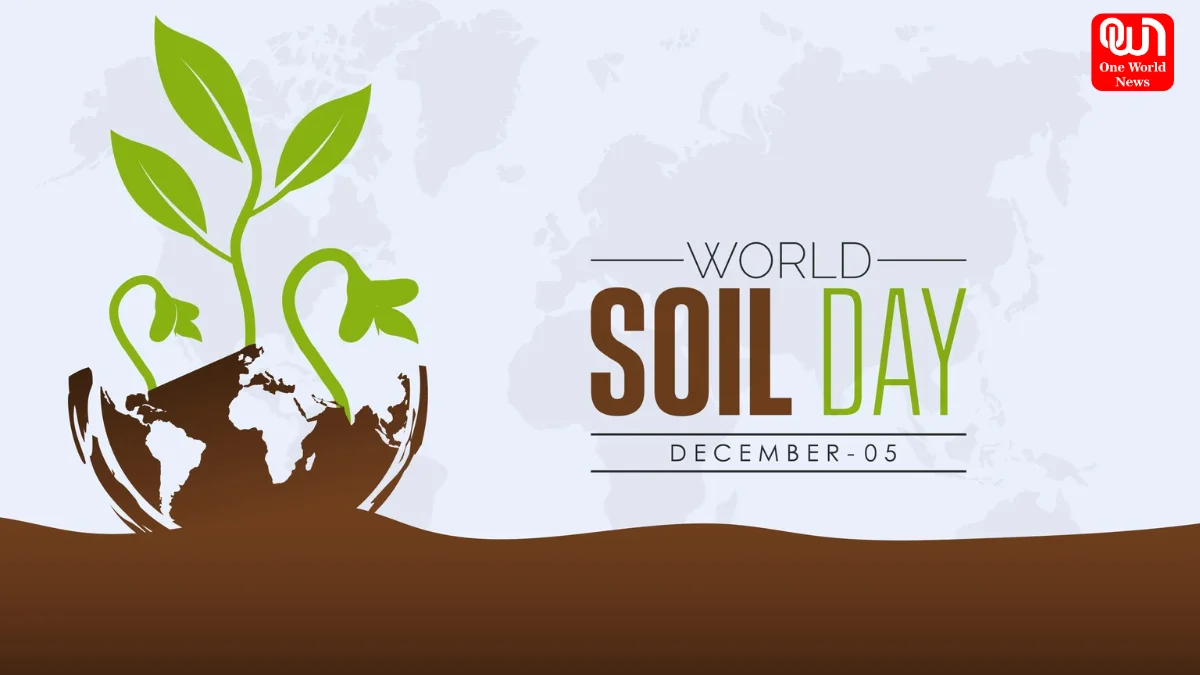
World Soil Day 2026: Importance of Healthy Soil, Soil Compaction Prevention, Sustainable Agriculture and Soil Productivity
World Soil Day 2026 will be observed on December 5, 2026, bringing worldwide attention to the importance of healthy and productive soils. The United Nations officially recognizes December 5 as World Soil Day, while the Food and Agriculture Organization of the United Nations (FAO), through its Global Soil Partnership, supports the global campaign.
Read more: Santa’s List Day 2026: Date, History, Meaning, Activities & Fun Ways to Celebrate
Soil is much more than the material beneath our feet. It supports food production, stores and filters water, provides habitat for organisms, contributes to biodiversity and plays an important role in climate and ecosystem health. FAO notes that around 95% of our food comes from soils, highlighting why protecting soil resources is essential for future generations.
When Is World Soil Day 2026?
World Soil Day 2026 is on Saturday, December 5, 2026. The annual observance provides an opportunity for governments, farmers, researchers, environmental organizations, students and communities to learn about soil health and encourage sustainable soil management.
World Soil Day became an official international observance in 2014 following a United Nations General Assembly decision. Since then, it has developed into a global platform for education, awareness and action around soil resources.
World Soil Day 2026 Theme
The focus for World Soil Day 2026 is soil compaction and physical soil degradation. FAO Global Soil Partnership materials identify soil compaction as the topic agreed for the 2026 campaign, with the proposed theme “Stop soil compaction, boost soil production.”
Soil compaction occurs when soil particles are pressed together, reducing the spaces that normally allow air and water to move through the soil. Heavy machinery, repeated field traffic, unsuitable cultivation practices and working soil when it is too wet can contribute to compaction.
Why Soil Compaction Is a Serious Problem
Healthy soil needs sufficient pore spaces for water, air, roots and soil organisms. When these spaces are compressed, water infiltration can decline and roots may have difficulty developing properly. Compacted soil can therefore affect crop growth, water management and overall soil productivity.
Recent research also highlights the connection between soil compaction, reduced aeration and weaker water infiltration. Conservation tillage, reduced soil disturbance, crop residue management and other sustainable approaches can help improve soil structure and reduce compaction risks.
Preventing compaction is particularly important because restoring degraded soil can take considerable time. Better field management can protect soil structure before serious physical degradation occurs.
Importance of Healthy Soil for Agriculture
Agriculture depends heavily on productive soil. Healthy soils provide plants with physical support, water and nutrients while creating an environment where beneficial microorganisms and other soil organisms can thrive.
Sustainable soil management can help farmers maintain productivity while protecting natural resources. Practices such as crop diversification, cover crops, reduced tillage, organic amendments and agroforestry can contribute to healthier agricultural soils when appropriately adapted to local conditions. FAO’s recent global soil assessment emphasizes the importance of scaling up proven sustainable soil management practices.
How to Protect Soil From Compaction
Farmers and land managers can take several steps to reduce soil compaction. Avoiding unnecessary machinery passes can reduce pressure on fields. Using appropriate equipment, managing traffic routes and avoiding field operations when soil is excessively wet can also help protect soil structure.
Other sustainable practices include maintaining soil cover, incorporating suitable organic matter, diversifying crops and adopting conservation-oriented cultivation methods. These approaches can support soil structure, water management and biological activity while contributing to long-term agricultural resilience.
The best approach depends on soil type, climate, crop, machinery and local farming conditions. Soil testing and regular monitoring can help identify problems and guide appropriate management decisions.
How to Celebrate World Soil Day 2026
World Soil Day 2026 can be observed through educational and practical activities. Schools can organize soil experiments, quizzes, exhibitions and awareness programmes. Farmers’ groups can conduct discussions about soil testing, compaction prevention and sustainable cultivation.
Communities can also organize tree planting, composting activities, soil awareness campaigns and workshops. Businesses and environmental organizations can use social media to share information about soil health and encourage responsible land management. FAO supports worldwide World Soil Day activities and provides campaign resources for awareness and education.
Read more: Udhauli Parva 2026: Date, History, Significance, Rituals & Celebrations
World Soil Day 2026: A Call to Protect Our Soil
World Soil Day 2026 reminds us that healthy soil is fundamental to food security, environmental sustainability and human well-being. Focusing on soil compaction helps bring attention to an often-hidden form of degradation that can affect water movement, root development and agricultural productivity.
Protecting soil requires long-term commitment from farmers, policymakers, researchers, businesses and communities. By reducing unnecessary soil disturbance, preventing compaction and adopting sustainable management practices, we can help maintain productive soils for future generations.
On December 5, 2026, World Soil Day offers a timely reminder: healthy soil today means a more productive, resilient and sustainable tomorrow.
We’re now on WhatsApp. Click to join.
Like this post?
Register at One World News to never miss out on videos, celeb interviews, and best reads.