
World Puppetry Day: History, Significance, Types of Puppetry & Global Celebrations
World Puppetry Day celebrates the global art of puppetry, its history, cultural value, types of puppets, and modern relevance worldwide.

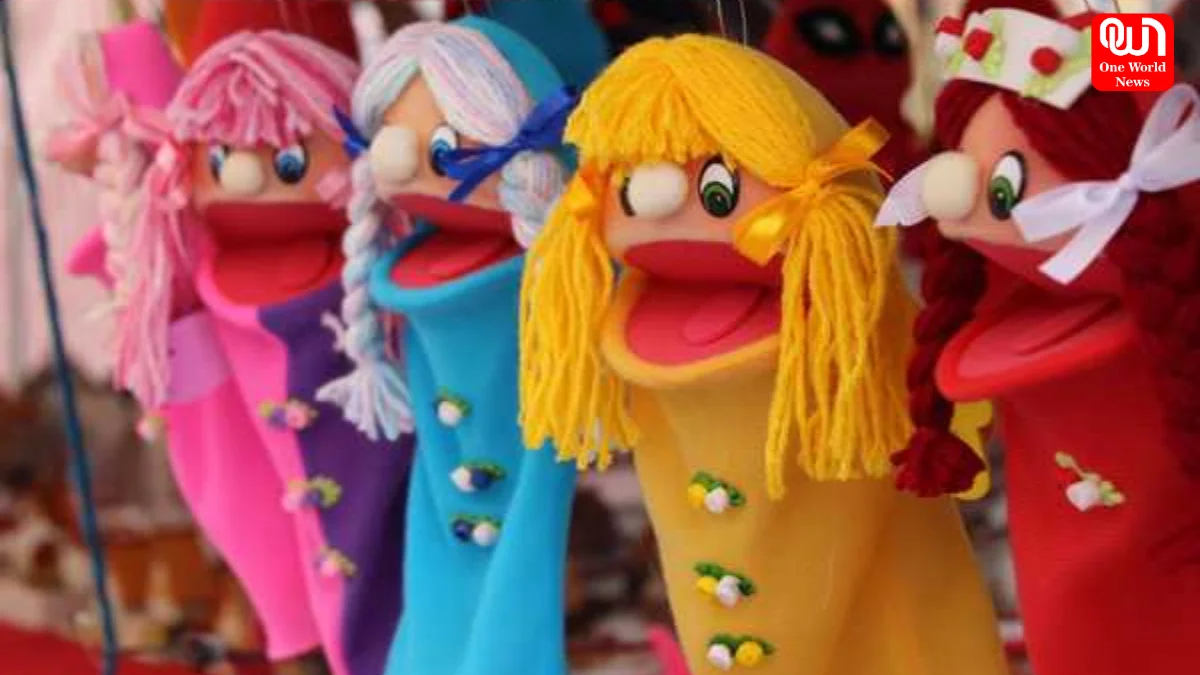
World Puppetry Day: Celebrating the Timeless Art of Puppetry Across Cultures
World Puppetry Day is celebrated every year on 21 March, a date chosen to honor the ancient yet ever-evolving art of puppetry and its role in storytelling, education, and cultural expression across the world. Observed by artists, cultural institutions, and puppetry lovers, this day highlights how puppets transcend language barriers and connect audiences of all ages through imagination and performance.
History and Origin of World Puppetry Day
World Puppetry Day was officially established in 2003 by the international puppetry community to recognize puppetry as a powerful form of artistic expression. Puppetry has existed for thousands of years, with evidence found in ancient civilizations such as Egypt, Greece, China, and India. From ritual performances to royal entertainment and folk storytelling, puppets have long been used to convey myths, morals, humor, and social messages. World Puppetry Day brings global attention to this heritage while encouraging innovation within the art form.
Read more: Who Is Hell Voron? The Untold Story of a Russian Model
Cultural Importance of Puppetry
Puppetry plays a significant role in preserving cultural traditions. In many regions, puppet performances are closely tied to folklore, religion, and social commentary. On World Puppetry Day, artists showcase how puppets have been used historically to educate communities, question authority, and pass down values from one generation to the next. This art form uniquely blends craftsmanship, performance, music, and narrative into a single expressive medium.
Types of Puppetry Celebrated on World Puppetry Day
World Puppetry Day celebrates a wide range of puppetry styles practiced around the globe. String puppets, also known as marionettes, are controlled using threads and are famous for their graceful movements. Hand puppets are worn over the performer’s hand and are commonly used in children’s storytelling. Shadow puppetry uses flat figures placed between a light source and a screen to create dramatic silhouettes. Rod puppets and glove puppets are also widely performed, each reflecting regional artistic techniques and cultural identity.
World Puppetry Day and Modern Storytelling
In the modern era, World Puppetry Day emphasizes how puppetry continues to evolve alongside technology and contemporary storytelling. Puppets are now used in films, television, therapy, and education. Digital puppetry, animation, and stage innovation have expanded the reach of this traditional art form. Despite these changes, the core essence of puppetry—bringing inanimate objects to life through human creativity—remains unchanged.
Educational Value of World Puppetry Day
World Puppetry Day is especially important in educational settings. Puppets are effective teaching tools that help children develop communication skills, creativity, and emotional understanding. Educators use puppetry to simplify complex topics, encourage participation, and make learning more engaging. Celebrating World Puppetry Day in schools helps students appreciate art, culture, and storytelling in an interactive way.
How World Puppetry Day Is Celebrated
World Puppetry Day is marked by puppet shows, workshops, exhibitions, and cultural events worldwide. Puppeteers demonstrate their craft, museums host special displays, and communities organize performances to introduce new audiences to puppetry. Social media campaigns and virtual shows have also become popular, allowing artists to share performances globally and keep the spirit of World Puppetry Day alive beyond physical stages.
Read more: Bollywood News Weekly: SRK Sequel Buzz and Akshay Kumar Release Update
Why World Puppetry Day Matters Today
World Puppetry Day reminds us of the power of simple storytelling in a fast-paced digital world. Puppetry encourages imagination, empathy, and cultural awareness while preserving traditional art forms at risk of fading away. By celebrating World Puppetry Day, we support artists, protect cultural heritage, and inspire future generations to keep this magical art alive.
Conclusion
World Puppetry Day is more than a celebration; it is a global tribute to creativity, culture, and human expression. Observed on 21 March, it unites artists and audiences in honoring puppetry’s past, present, and future. Whether through traditional performances or modern interpretations, World Puppetry Day continues to prove that puppets still have powerful stories to tell.
We’re now on WhatsApp. Click to join.
Like this post?
Register at One World News to never miss out on videos, celeb interviews, and best reads.