
US Travel Ban Now Touches Nearly 5% of the World After New Expansion
US Travel Ban expands as five more nations face full restrictions, pushing total affected countries past 30 and sparking global concern.

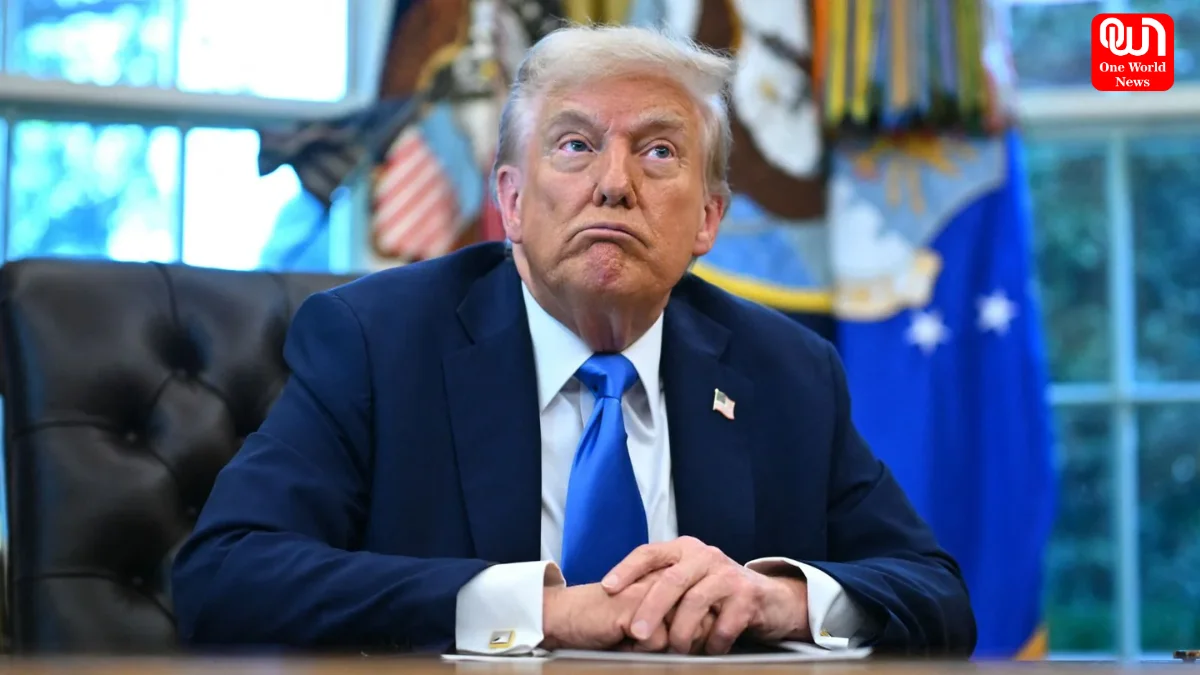
US Travel Ban Expands to Over 30 Nations as Trump Administration Bars Five More Countries, Impacting Nearly 5% of the World
US Travel Ban Expands, Affecting Nearly 5% of the World’s Population
The US Travel Ban has expanded significantly following a new proclamation signed on December 16, marking one of the broadest immigration restrictions in modern American history. The latest move adds five more nations to the list of countries whose citizens face a total ban on entry into the United States, pushing the total number of affected countries to over 30.
The expansion represents a sharp escalation from the 19 nations initially targeted when the policy was reinstated in June 2025, underscoring the Trump administration’s aggressive stance on border control and national security.
Five New Countries Added to the Full Ban List
Under the new proclamation, citizens of Burkina Faso, Mali, Niger, South Sudan, and Syria are now entirely barred from entering the United States. These nations join an existing group of 12 countries already subject to full entry bans, including Afghanistan, Iran, Somalia, and Haiti.
In a notable and controversial development, the administration has also extended full restrictions to individuals holding Palestinian Authority-issued travel documents, effectively closing another pathway for entry.
With these additions, the scope of the US Travel Ban has grown to impact millions of people worldwide.
Partial Restrictions Expanded to 15 More Countries
Beyond the full bans, the proclamation also broadens the list of countries facing partial travel restrictions. Fifteen additional nations have been added to this category, including Nigeria, Tanzania, and Senegal.
Citizens from these countries are not completely barred but will face heightened vetting, longer processing times, and restrictions on specific visa categories. Student, work, and family-based visas are among those most affected, according to policy analysts.
This two-tiered system of full and partial bans has further complicated global travel and immigration processes.
Read more: India Mocks Pakistan At UN, Questions Democracy and Terror Record
White House Justification and Security Concerns
The White House defended the expansion of the US Travel Ban by citing what it described as “persistent and severe deficiencies” in the identity verification and information-sharing systems of the designated countries.
Homeland Security Secretary Kristi Noem stated that the United States cannot safely admit individuals from nations that lack reliable systems to confirm criminal histories or personal identities. According to administration officials, the ban is framed as a preventive security measure rather than a punitive one.
The timing of the expansion was also linked to a Thanksgiving week shooting in Washington, DC, in which two National Guard members were injured. Authorities allege the suspect was an Afghan national, an incident the administration has used to highlight what it considers gaps in existing vetting procedures.
Critics Call the Ban “Collective Punishment”
Civil rights groups, immigration advocates, and international organizations have strongly criticized the expanded US Travel Ban, describing it as a form of collective punishment that unfairly targets entire populations.
Opponents argue that refugees and asylum seekers already undergo years of extensive background checks and that the ban disproportionately affects families attempting to reunite legally. Many have pointed out that individuals fleeing conflict zones are often the victims of instability, not its perpetrators.
Human rights advocates warn that the policy risks worsening humanitarian crises by cutting off safe pathways for vulnerable populations.
Legal Challenges Expected
Legal experts note that while the Supreme Court upheld the 2018 version of the travel ban, the 2025 expansion is far broader in scope and scale. By affecting nearly 5% of the world’s population, the new policy raises fresh constitutional and legal questions.
Several advocacy groups are expected to file immediate challenges in federal courts, arguing that the ban violates principles of equal protection and international human rights norms.
Despite the anticipated legal pushback, the administration has expressed confidence that the policy falls squarely within presidential authority over immigration and national security.
Global and Domestic Implications
The expanded US Travel Ban has sparked international concern, with affected countries warning of strained diplomatic relations. Domestically, the move has reignited debates over immigration, security, and America’s role as a destination for refugees and migrants.
Read more: Luthra Brothers Deported To India in Goa Nightclub Fire Case
Supporters of the policy argue that national security must take precedence and that stricter controls are necessary in an increasingly unstable global environment. Critics counter that broad bans undermine America’s image and moral leadership.
A Defining Immigration Moment
As “Travel Ban 4.0” comes into effect, its long-term impact remains uncertain. What is clear, however, is that the expanded US Travel Ban marks a defining moment in US immigration policy — one that will shape legal battles, diplomatic relations, and human lives for years to come.
Whether upheld or overturned, the policy has already left a profound mark on the global movement of people.
We’re now on WhatsApp. Click to join.
Like this post?
Register at One World News to never miss out on videos, celeb interviews, and best reads.