
US National Museum Of Asian Art to Return Ancient Bronze Sculptures to India
US National Museum Of Asian Art will return three ancient bronze sculptures to India after research confirmed they were illegally removed from Tamil Nadu temples.

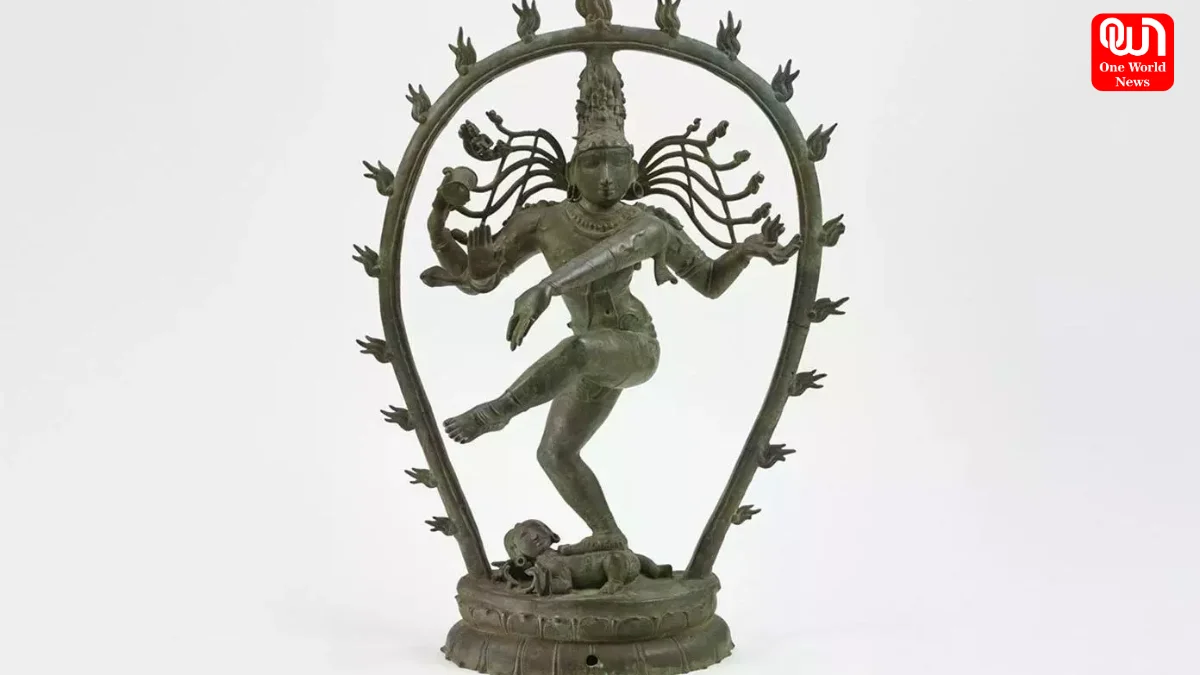
US National Museum Of Asian Art to Return Three Ancient Bronze Sculptures to India After Provenance Research
In a significant move for cultural heritage and international museum ethics, the US National Museum Of Asian Art in Washington, D.C., has announced plans to return three ancient bronze sculptures to the Government of India. The decision comes after extensive provenance research confirmed these valuable objects were removed from Indian temple sites without proper authorization decades ago.
The three sculptures — Shiva Nataraja, Somaskanda, and Saint Sundarar with Paravai — are masterpieces of South Indian bronze casting and represent some of the most refined examples of historic religious art. Originally sacred icons used in temple rituals and processions in Tamil Nadu, each artwork reflects centuries of artistic tradition and spiritual significance.
Read more: FIR Filed Against Ranveer Singh Over Kantara ‘Daiva’ Mimicry at IFFI Goa Event
Historic Artifacts and Their Origins
The bronze sculpture of Shiva Nataraja, dating to around 990 CE, is one of the most celebrated forms of Shiva — the cosmic dancer. It belonged to the Sri Bhava Aushadesvara Temple in Tirutturaippundi Taluk, Tanjavur District, Tamil Nadu. Photographs from the 1950s confirmed the idol’s presence in the temple before its removal.
Likewise, the Somaskanda figure, dating from the 12th century, and the Saint Sundarar with Paravai statue, from the 16th-century Vijayanagar period, were documented in Tamil Nadu temple settings through archival images from the mid-20th century. These archival records were crucial in establishing their origins and tracing how they left India.
Provenance Research Leads to Repatriation
The US National Museum Of Asian Art undertook rigorous provenance research — a detailed historical investigation into the ownership and movement of artifacts — to trace how these sculptures became part of its collection. Provenance research examines documentation, historical photographs, dealer records, and legal export information to construct a reliable history of each object.
This research showed that the sculptures were photographed inside temple precincts in Tamil Nadu during the 1950s and 1960s, but left the country without legal export authorization. These findings were reviewed and affirmed by the Archaeological Survey of India, confirming the removal violated India’s antiquities laws.
Once this evidence came to light, museum officials began discussions with Indian authorities to arrange for the return of the statues. The process was made possible through collaboration between the museum’s provenance researchers, South and Southeast Asian curators, and archival institutions.
The Return and Long-Term Loan Agreement
Under the agreement, all three bronze sculptures will be formally returned to India. However, the Government of India has agreed to place the Shiva Nataraja sculpture on long-term loan back to the National Museum of Asian Art so that visitors can still view it. This arrangement allows the museum to exhibit the full historical narrative of the piece — from temple origins, to removal, and repatriation — enhancing public understanding of its journey.
Museum officials say that sharing this complete story is an important educational opportunity. By presenting provenance openly — including how and why objects entered museum collections — institutions can foster greater awareness of the legal and ethical responsibilities that come with stewardship of cultural heritage.
Significance of the Decision
This repatriation by the US National Museum Of Asian Art reflects a growing global commitment to ethical museum practices and transparency in collections management. For years, museums worldwide have faced pressure to re-evaluate how they acquired works of art, especially those taken during periods of colonial expansion, conflict, or illicit trade.
By returning these important sculptures, the museum joins a wider movement toward restitution and cultural cooperation. Such efforts recognize the rights of source countries to reclaim heritage items that were removed unlawfully. It also strengthens diplomatic and cultural ties between countries, promoting mutual respect and shared custodianship of heritage.
What This Means for Cultural Heritage
Art repatriation cases like this one are about more than just objects; they are about history, identity, and community. Sacred temple sculptures embody religious traditions and centuries of artistic skill. Their return allows local communities and cultural institutions in India to reconnect with objects that hold deep historical and spiritual significance.
Read more: Border 2 Is Official: The Iconic War Drama Returns to the Big Screen
For museums outside India, this is a reminder of the importance of provenance research and ethical responsibility. The actions of the US National Museum Of Asian Art demonstrate how rigorous investigation and cooperation can lead to outcomes that honor both scholarship and respect for cultural patrimony.
As discussions continue globally about the restitution of cultural heritage, this milestone sets an example of how institutions can balance preservation, education, and ethical stewardship.
We’re now on WhatsApp. Click to join.
Like this post?
Register at One World News to never miss out on videos, celeb interviews, and best reads.