Today’s Political Roundup: Bangladesh Historic Vote, Bharat Bandh Protests, Global Security Talks & Turmoil in Australian Politics
Get today’s political roundup: Bangladesh election, India’s Bharat Bandh protests, Munich Security Conference, Australia’s leadership turmoil & democratic struggles worldwide.


Historic Election in Bangladesh, Massive Bharat Bandh in India & Global Political Pulse Today — Your Daily Political Roundup
Today, Bangladesh is voting in its most consequential election in decades — the first since the 2024 uprising that ousted former Prime Minister Sheikh Hasina. This election, marked by both hope and tension, is widely seen as a test of democratic resilience following years of political upheaval. Millions of voters are casting ballots under tight security measures, with the eyes of the world watching closely.
The Bangladesh Nationalist Party (BNP), led by the returnee leader Tarique Rahman, currently stands as the frontrunner. Mr. Rahman’s political return has galvanized supporters who view his leadership as a departure from the previous decade’s governance style. The main opposition to the BNP comes from an 11-party coalition that includes Jamaat-e-Islami, a controversial group with a complex legacy in Bangladesh’s political history.
Key issues shaping voter sentiment include minority rights, economic reforms, and governance accountability. Observers suggest that this election could usher in a new political chapter — one that reflects a renewed public demand for transparency and inclusivity. Analysts believe the outcome will have significant implications not just for Bangladesh, but for regional politics and democratic movements in South Asia.
Massive Bharat Bandh Rocks India
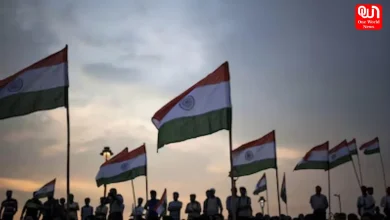
In India, a massive nationwide Bharat Bandh has brought daily life to a standstill as 10 central trade unions and major farmer groups stage protests against the government’s new labour codes and the India–US trade deal. The bandh — one of the largest in recent years — signals widespread dissatisfaction among workers and rural communities, with concerns that the reforms jeopardize job security and farmers’ rights.
Public transport systems, banks, educational institutions, and agricultural supply chains are among the hardest hit sectors today. Union leaders argue that the new labour policies favor corporate interests at the expense of workers’ protections, while critics of the India–US trade deal claim it could inundate markets with foreign imports, undermining local producers.
In response, authorities have deployed security forces across states to ensure essential services remain minimally affected. Despite these measures, images of picket lines, blocked highways, and mass demonstrations underscore the intensity and breadth of the unrest. Political analysts say this Bharat Bandh adds fresh momentum to ongoing debates about economic reforms in the world’s largest democracy.
Global Security Talks Loom Large
Meanwhile, world leaders are preparing to convene at the 62nd Munich Security Conference starting tomorrow. This premier forum, long regarded as a cornerstone of international diplomacy, will bring together heads of state, defence ministers, and key policymakers to deliberate critical global issues.
With geopolitical tensions escalating across multiple regions — from the Middle East to cyber-space and defence alliances — this year’s conference agenda is expected to focus on peace initiatives, collective security partnerships, and strategic cooperation against emerging threats. Observers anticipate discussions on bolstering frameworks for conflict resolution and strengthening ties among democratic nations.
Given the current global climate, the outcomes of the Munich Security Conference could have far-reaching implications for international relations, defence policies, and economic sanctions regimes. Experts believe that agreements forged here may shape diplomatic engagements and security protocols for years to come.
Turmoil in Australian Politics
In Australia, political turmoil is brewing as the Liberal Party schedules a leadership spill this Friday — a dramatic sign of internal unrest. Prominent party figures have described the contest as a “change or die” moment, underscoring deep dissatisfaction with recent political performance and strategic direction.
The upcoming leadership vote has stirred debate within the party and among the electorate, with some calling for bold reforms to win back public trust, while others caution that instability could weaken the party’s standing ahead of national elections. This episode of internal conflict highlights broader challenges facing center-right political movements globally, where leadership and ideological divisions risk fracturing unity.
Struggles for Democratic Norms Worldwide
From the streets of Dhaka to the political theatres of Canberra, today’s political developments underscore a broader theme: the ongoing global push for democratic accountability, equity, and fair governance. Whether through historic elections, mass protests, strategic international dialogue, or leadership battles, the world remains deeply engaged in defining the future of democracy.
These events — diverse in geography but united in political significance — remind citizens everywhere of the power of public engagement, dialogue, and collective action in shaping governance and holding leaders accountable.
read more: 5 Key PAN Rule Changes in Draft Income Tax Rules That Could Impact Daily Transactions
That’s your political roundup for the day — stay informed, stay empowered. I’m Prashant, and we’ll be right back after the break!
We’re now on WhatsApp. Click to join.
Like this post?
Register at One World News to never miss out on videos, celeb interviews, and best reads.