Petrol Diesel Price Cut India: Govt Slashes Excise Duty by Rs 10 Amid Middle East Crisis
Petrol diesel price cut India after excise duty reduction impact. Will fuel price news India reflect real savings amid oil price changes 2026?

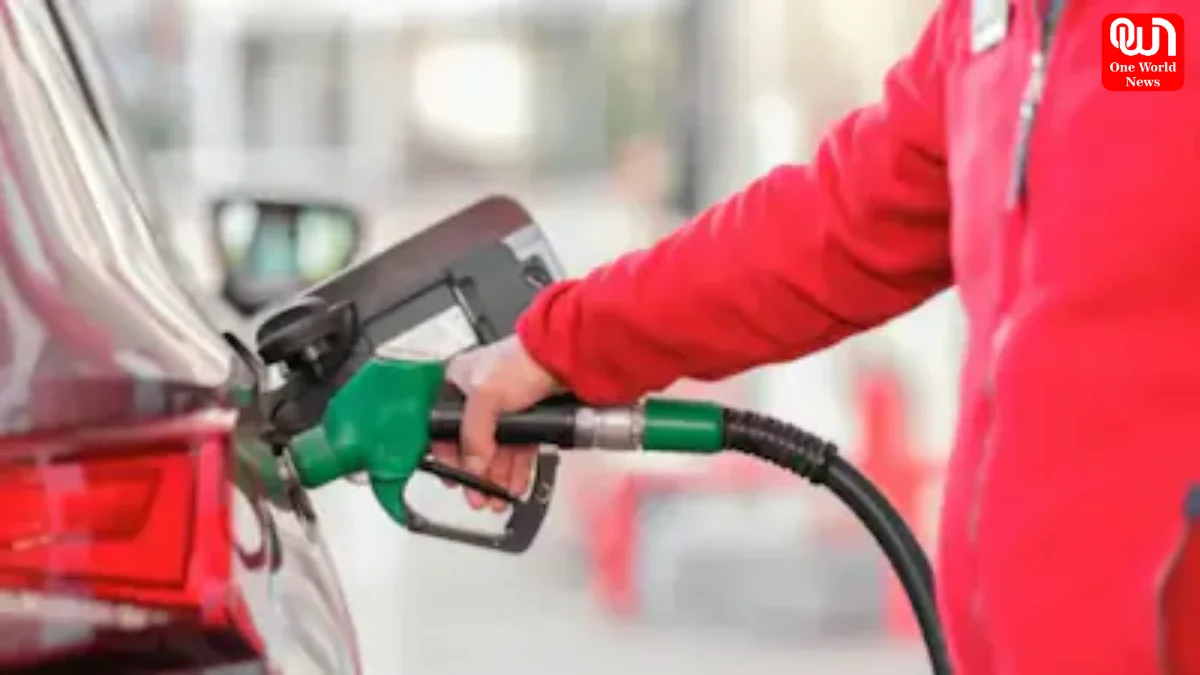
Petrol Diesel Price Cut India: Govt Slashes Excise Duty by Rs 10 Amid Middle East Conflict – Will Consumers See Relief Despite Oil Price Changes 2026?
In a major move aimed at controlling inflation and shielding consumers, the Indian government has announced a sharp reduction in excise duty on petrol and diesel by ₹10 per litre. This development comes amid rising geopolitical tensions in the Middle East, which have significantly impacted global crude oil prices and triggered volatility in fuel markets.
The decision is being widely discussed under fuel price news India, as consumers eagerly await clarity on whether this tax cut will translate into a real petrol diesel price cut India at the retail level.
Why Did the Government Cut Excise Duty?
The excise duty reduction is largely a response to the ongoing Middle East conflict, particularly disruptions around the Strait of Hormuz—a crucial oil supply route. Global crude prices have surged beyond $100 per barrel due to supply uncertainties.
India, being one of the world’s largest oil importers, is highly sensitive to such global shocks. To counter rising fuel costs and prevent inflation from spiraling, the government slashed the special additional excise duty—bringing it down to ₹3 per litre on petrol and eliminating it entirely on diesel.
This excise duty reduction impact is intended not just to ease consumer burden but also to support oil marketing companies (OMCs), which are currently facing heavy losses due to high crude prices.
Will Petrol and Diesel Prices Actually Drop?
Despite the announcement, the big question remains: will consumers actually see a reduction in fuel prices?
The answer is not straightforward.
According to recent updates, petrol and diesel prices have largely remained stable—or even slightly increased in some cities—despite the duty cut. This is because global oil prices are still high, and OMCs are absorbing significant under-recoveries.
Experts suggest that instead of reducing retail prices, the excise duty cut may primarily offset losses incurred by fuel retailers. In fact, without this intervention, petrol prices could have risen by as much as ₹25–₹30 per litre due to global trends.
Read more: Saudi Arabia, UAE To Join Iran War? What We Know So Far
So, while the fuel price news India headline suggests relief, the actual benefit may be more about preventing further hikes rather than reducing existing prices.
Understanding the Larger Fuel Pricing Structure
To fully grasp the excise duty reduction impact, it’s important to understand how fuel pricing works in India.
Taxes—both central and state—make up nearly 45–55% of the retail price of petrol and diesel. Even after this reduction, a significant portion of what consumers pay still goes toward taxes.
Additionally, fuel prices are deregulated and revised daily based on international crude prices and currency fluctuations. This means that even if taxes are cut, rising crude prices can cancel out the benefits.
Global Oil Price Changes 2026: A Key Factor
The ongoing Middle East conflict has made oil price changes 2026 a crucial factor influencing India’s fuel economy. Supply disruptions, geopolitical risks, and export restrictions are all contributing to price volatility.
To balance revenue losses from the excise cut, the government has also imposed windfall taxes on fuel exports, including diesel and aviation turbine fuel. This ensures domestic availability while partially compensating for reduced tax income.
However, this move comes at a fiscal cost. Reports indicate that the government could lose nearly ₹1.55 trillion annually due to the excise duty cut.
Short-Term Relief vs Long-Term Impact
In the short term, consumers may not experience a visible drop in fuel prices. Instead, the benefit lies in price stability—preventing a sharp spike amid global uncertainty.
From a long-term perspective, however, the policy could help control inflation, reduce transportation costs, and support economic stability.
Still, much depends on how global crude prices evolve. If oil prices continue to rise, even further government intervention may not be enough to keep fuel prices in check.
Read more: Pakistan Hikes High-Octane Fuel Price From PKR 100 To PKR 300
Final Verdict: Will Consumers Benefit?
The excise duty cut is a proactive move, but it does not guarantee immediate savings at the fuel pump. Instead, it acts as a buffer against rising global oil prices.
For now, the petrol diesel rates update suggests stability rather than reduction. Consumers may not see direct price cuts, but they are being protected from a much steeper increase.
As the Middle East situation unfolds and oil price changes 2026 continue to shape global markets, fuel pricing in India will remain dynamic. For consumers, the key takeaway is clear: relief may be indirect, but it is still significant in preventing a larger financial burden.
We’re now on WhatsApp. Click to join.
Like this post?
Register at One World News to never miss out on videos, celeb interviews, and best reads.