One Rape After Another: Timeline Of Accused’s Trail From Alwar To Delhi UPSC Aspirant Killing
Alwar To Delhi UPSC Aspirant Killing timeline reveals a shocking crime spree spanning hours, exposing serious gaps in safety and policing.

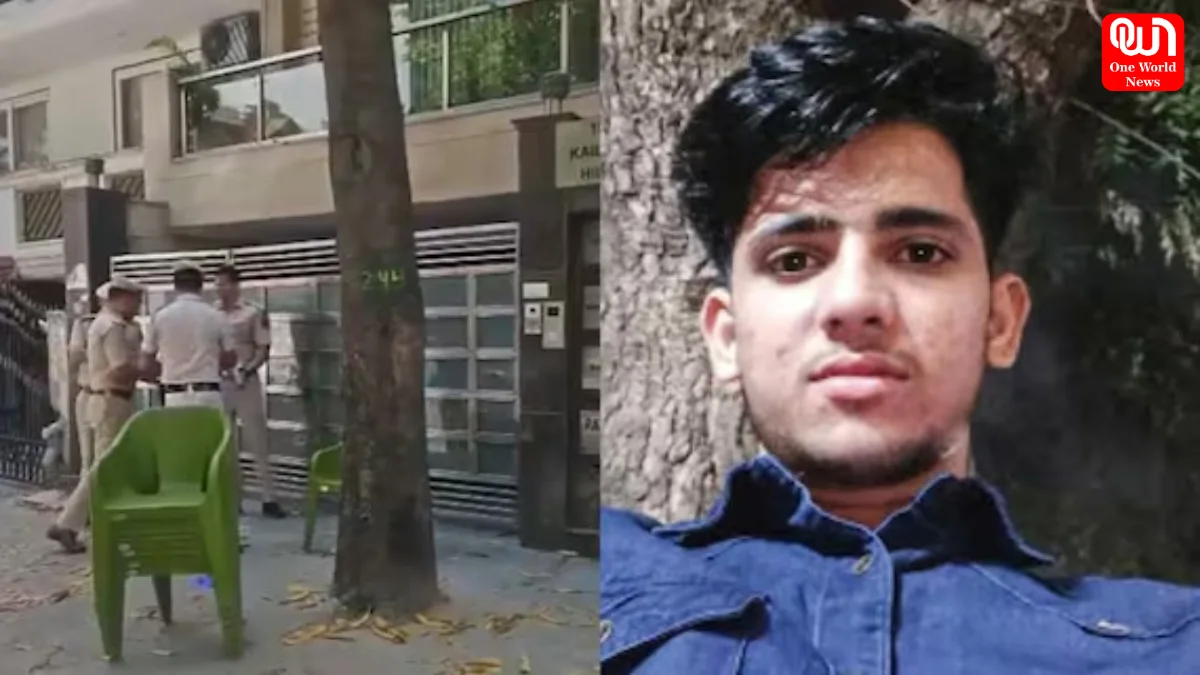
One Rape After Another: A Disturbing Timeline Of Accused’s Trail From Alwar To Delhi UPSC Aspirant Killing That Unfolded Within Hours
The Alwar to Delhi UPSC aspirant killing has emerged as one of the most disturbing crime cases in recent times, not only due to its brutality but also because of the rapid and calculated sequence of events. Within a short span of time, the accused allegedly committed multiple heinous crimes across two states, raising serious concerns about law enforcement coordination and personal safety.
The First Crime in Alwar
The chain of events reportedly began in Alwar, Rajasthan, where the accused allegedly broke into a woman’s house during the night. He is said to have assaulted and raped the victim, leaving her traumatized. The crime, which itself warranted urgent action, went unnoticed beyond the local jurisdiction at the time, allowing the accused to escape without immediate pursuit.
Read more: Gold And Silver Prices Surge: Latest Bullion Market Update
This initial act set the stage for a series of events that would soon escalate into an even more tragic outcome.
The Overnight Movement to Delhi
After committing the crime in Alwar, the accused quickly left the area and made his way toward Delhi. His ability to travel such a long distance within hours points to the lack of immediate communication between local law enforcement agencies. There was no real-time alert or tracking mechanism that could prevent his movement.
This gap in coordination proved critical, as it allowed the accused to reach Delhi and continue his actions without interruption.
Targeting a Known Location
Upon reaching Delhi, the accused reportedly headed to a house where he had previously worked as a domestic help. His familiarity with the location played a key role in enabling the crime. He knew the layout of the house, the routines of the residents, and possibly the vulnerabilities in the security system.
This highlights a major concern around background checks and continued monitoring of individuals who have access to private homes.
The Attack on the UPSC Aspirant
Inside the house, the accused encountered a young woman—a UPSC aspirant preparing for one of the most competitive examinations in India. She was alone at the time, making her particularly vulnerable.
The accused allegedly sexually assaulted her and later murdered her. Reports indicate that the killing was carried out using a readily available object inside the house, reflecting both the spontaneity and brutality of the act.
The victim’s identity as a hardworking student with aspirations of serving the nation has intensified public grief and outrage. Her life was cut short just days before a crucial milestone in her journey.
Discovery of the Crime
The incident came to light when family members returned home and found the victim unresponsive. What followed was a swift police response, with teams arriving at the scene to gather evidence and begin an investigation.
CCTV footage from nearby areas became a crucial tool in tracing the accused’s movements. His prior association with the household also helped investigators narrow down suspects quickly.
Read more: India Will Never Bow To Terror: PM Modi Honours Victims Pahalgam Attack
Arrest and Investigation
Within a relatively short time, the police were able to track down and arrest the accused. The investigation revealed the shocking timeline—from the initial crime in Alwar to the final act in Delhi—unfolding within less than a day.
While the quick arrest demonstrated efficiency, it also raised uncomfortable questions about prevention. Could the second crime have been avoided if the first had triggered a broader alert?
Broader Concerns Raised
This case brings several systemic issues into focus:
- Lack of Inter-State Coordination: There was no immediate communication between authorities in Alwar and Delhi.
- Insufficient Background Checks: The accused’s prior employment gave him access and familiarity that he later exploited.
- Urban Safety Gaps: Even homes considered secure are vulnerable when insider knowledge is involved.
- Delayed Response Systems: The absence of real-time tracking allowed the accused to move freely after committing a serious crime.
Conclusion
The Alwar to Delhi UPSC aspirant killing is not just a tragic incident—it is a stark reminder of the vulnerabilities that exist within society. A crime that began in one city escalated into a devastating loss of life in another, all within a matter of hours.
This timeline underscores the urgent need for stronger coordination between law enforcement agencies, stricter verification processes for domestic workers, and improved safety mechanisms within homes. Without addressing these gaps, similar incidents may continue to occur, leaving communities shaken and questioning their sense of security.
We’re now on WhatsApp. Click to join.
Like this post?
Register at One World News to never miss out on videos, celeb interviews, and best reads.