No Entry For Old Cars, No Fuel Without Pollution Rule Begins in Delhi
No Entry For Old Cars, No Fuel Without Pollution certificate as Delhi tightens vehicle rules under GRAP to combat severe smog and air pollution.

No Entry For Old Cars, No Fuel Without Pollution Rule Comes Into Effect in Delhi
If you are planning to drive into Delhi, it may be time to reconsider your travel plans. From today, the national capital has enforced strict vehicle restrictions under its anti-pollution drive, implementing the No Entry For Old Cars, No Fuel Without Pollution rule as air quality deteriorates sharply.
Under the new measures, only vehicles compliant with BS-VI emission standards are permitted to enter Delhi. Additionally, fuel stations across the city will refuse service to vehicles that do not possess a valid Pollution Under Control (PUC) certificate.
Why Delhi Has Tightened Vehicle Rules
Delhi’s move comes as part of its broader effort to combat worsening air pollution, a problem that intensifies every winter. As temperatures drop, pollutants remain trapped closer to the ground, forming a dense layer of smog that severely impacts public health.
Vehicles are a major contributor to this crisis. In areas with heavy traffic, officials estimate that automobiles account for nearly 40 percent of particulate pollution. By restricting older, high-emission vehicles and enforcing pollution checks, authorities aim to reduce toxic emissions during critical periods.
BS-VI Vehicles Only: Who Is Affected?
The No Entry For Old Cars, No Fuel Without Pollution policy is expected to impact a massive number of vehicles entering Delhi daily from surrounding regions. Data suggests that around 12 lakh vehicles from neighbouring cities could be affected.
- Over 5.5 lakh vehicles from Ghaziabad
- Around 4 lakh vehicles from Noida
- Nearly 2 lakh vehicles from Gurugram
These vehicles will now be barred from entering the capital if they do not meet BS-VI standards. For commuters and commercial drivers, the change marks a significant shift in cross-border travel norms.
Read more: National Grandpa Day 2026: Celebrating the Pillars of Family Wisdom
Fuel Denial Without Pollution Certificate
One of the most impactful aspects of the rule is the decision to deny fuel to vehicles without a valid PUC certificate. Delhi has already installed automatic number plate recognition (ANPR) cameras at petrol pumps to detect non-compliant vehicles in real time.
Once flagged, such vehicles will not be allowed to refuel, effectively grounding them until compliance is ensured. Officials believe this will push vehicle owners to maintain emission standards more responsibly.
Enforcement on the Ground
To ensure strict implementation of the No Entry For Old Cars, No Fuel Without Pollution rule, Delhi authorities have deployed extensive enforcement machinery.
- 580 police officers assigned to vehicle inspections
- 37 enforcement vans stationed across 126 checkpoints
- Dedicated teams from the Transport Department, Municipal Corporation, and Food Department deployed at fuel stations
These teams will monitor compliance, check documents, and take action against violators.
GRAP Stage IV Measures in Force
The restrictions will remain active as long as Stage IV of the Graded Response Action Plan (GRAP) is enforced in Delhi. GRAP Stage IV represents the highest level of emergency response to air pollution and includes some of the strictest curbs on movement and industrial activity.
In addition to vehicle restrictions, the Delhi government has also directed private offices to operate with a maximum of 50 percent staff, aiming to reduce traffic volume and emissions.
Current Air Quality Situation
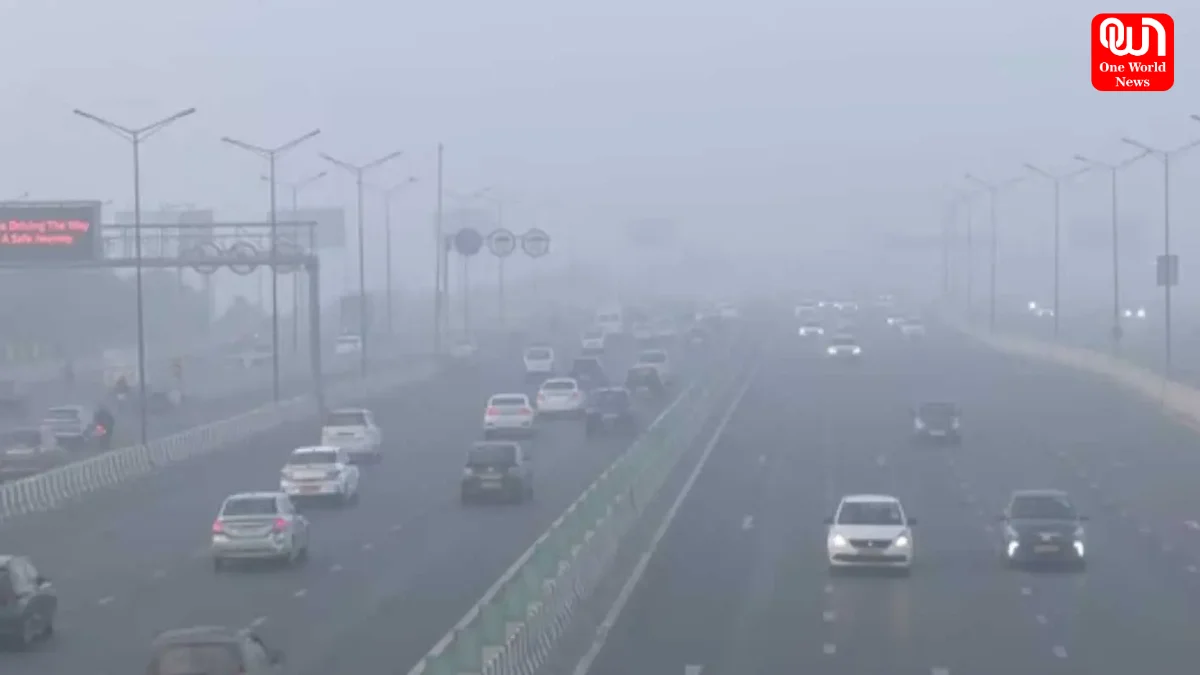
The urgency behind the new rules is evident from current air quality readings. A thick blanket of smog has engulfed several parts of Delhi, severely affecting visibility and health.
Early morning data showed Delhi’s Air Quality Index (AQI) at 356, categorised as “very poor.” Several areas recorded even more alarming levels:
- Anand Vihar: 415 (severe)
- Vivek Vihar: 410
- Jahangirpuri: 405
- Rohini: 400
- ITO: 399
While Najafgarh recorded an AQI of 284, placing it in the “poor” category, the overall citywide trend remains deeply concerning.
Health and Environmental Impact
Medical experts consistently warn that prolonged exposure to such pollution levels can trigger respiratory illnesses, heart problems, and long-term lung damage. Children, the elderly, and those with pre-existing conditions are particularly vulnerable.
Authorities argue that the No Entry For Old Cars, No Fuel Without Pollution policy is not punitive but preventive — aimed at protecting public health during peak pollution periods.
What Drivers Should Do Now
Vehicle owners are advised to:
- Ensure their vehicle meets BS-VI norms
- Carry a valid PUC certificate
- Avoid unnecessary travel during GRAP restrictions
- Use public transport or remote work options where possible
A Tough but Necessary Step
While the measures may inconvenience commuters, officials maintain that strict enforcement is essential to curb Delhi’s recurring air crisis. The current restrictions underline a growing reality — environmental compliance is no longer optional.
Read more: Basant Panchami 2026: Meaning, Traditions, and Cultural Importance
As Delhi battles one of its toughest pollution phases, the message is clear: cleaner vehicles, fewer emissions, and collective responsibility are critical for breathable air.
We’re now on WhatsApp. Click to join.
Like this post?
Register at One World News to never miss out on videos, celeb interviews, and best reads.