Covid Reminder In PM Modi’s Rundown Of Middle East War Impact On India
Covid Reminder In PM Modi highlights Middle East War impact on India’s economy, oil supply, and security. Middle East War concerns rise.

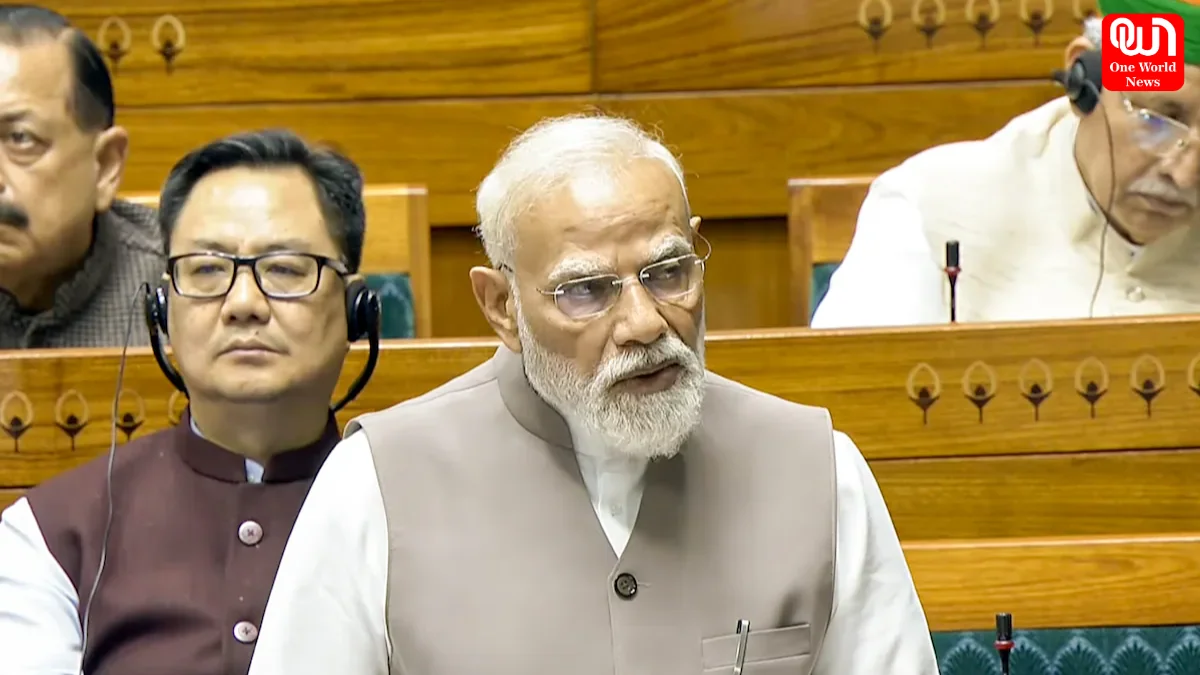
Covid Reminder In PM Modi’s Address On Middle East War – How The Crisis Impacts India’s Economy, Security, and Daily Life
As of March 2026, Prime Minister Narendra Modi addressed Parliament highlighting the growing impact of the Middle East War on India, while also giving a strong Covid reminder in PM Modi’s speech — urging citizens to stay alert, united, and prepared for prolonged challenges.
Speaking in the Lok Sabha, PM Modi drew parallels between the current geopolitical crisis and the COVID-19 pandemic, emphasizing how crises often trigger economic disruption and opportunistic behavior like hoarding and black marketing.
Covid Reminder In PM Modi: Lessons From The Pandemic
The Covid reminder in PM Modi’s address was clear — India must respond with the same unity and discipline that helped it navigate the pandemic. He warned that during global crises, certain elements exploit shortages, and governments must act swiftly to prevent such disruptions.
PM Modi urged both central and state governments to remain vigilant, stressing that hoarders and black market players become active during uncertain times, just like during COVID-19.
He called for collective responsibility, echoing the pandemic-era message: preparedness, cooperation, and resilience are key to overcoming large-scale disruptions.
Middle East War and Its Direct Impact on India
The ongoing Middle East War, particularly involving Iran and global powers, has created serious economic and strategic challenges for India. The region is a crucial trade and energy route, making India highly vulnerable to disruptions.
PM Modi described the situation as “worrisome,” highlighting its impact on global supply chains, trade routes, and livelihoods.
One of the biggest concerns is energy security. A large portion of India’s crude oil imports passes through the Strait of Hormuz — a region heavily affected by the conflict. Disruptions here have already led to rising fuel prices and supply uncertainties.
Economic Pressure and Rising Costs
The Middle East War has triggered significant economic ripple effects across India. Oil prices have surged sharply, increasing transportation costs, manufacturing expenses, and overall inflation.
Reports indicate that crude oil prices have risen dramatically, while the Indian rupee has weakened amid global uncertainty.
Read more: Political Roundup: Top Headlines Shaping India and the World Today
Additionally, business activity has slowed, with private sector growth hitting a multi-year low due to rising input costs and reduced demand.
These developments highlight how deeply interconnected India’s economy is with global events — especially conflicts in energy-rich regions.
Supply Chain Disruptions and Daily Life Impact
Beyond macroeconomics, the Middle East War is already affecting everyday life in India. Disruptions in LPG and gas supply have led to shortages in some areas, with prices rising significantly in informal markets.
In some cases, small businesses and households are struggling with fuel availability, drawing comparisons to the hardships experienced during the COVID-19 pandemic.
This is exactly why the Covid reminder in PM Modi’s speech becomes relevant — the need to prevent panic buying, ensure fair distribution, and maintain stability.
National Security and Strategic Concerns
PM Modi also warned that the ongoing crisis could have implications beyond the economy. He flagged potential risks to internal security, noting that instability in the Middle East can sometimes influence domestic situations.
Security agencies across India have been placed on high alert to prevent any misuse of the situation.
India continues to maintain a balanced diplomatic approach, engaging with multiple global powers while advocating for peace and stability in the region.
A Message of Preparedness and Unity
At its core, the Covid reminder in PM Modi’s address is about mindset. The pandemic taught India how to deal with uncertainty — and those lessons are now being applied to a new global crisis.
The Prime Minister emphasized that while the situation is serious, India is better prepared today. From maintaining fuel reserves to ensuring supply chain continuity, steps are being taken to minimize disruption.
But beyond government action, he stressed the role of citizens — to stay informed, avoid panic, and act responsibly.
Read more: Bihar Board 12th Result 2026: BSEB Inter Results Releasing Today at 1:30 PM
Conclusion
The intersection of the Covid reminder in PM Modi’s speech and the ongoing Middle East War highlights a critical reality — global crises are unpredictable, but preparedness makes all the difference.
As India navigates economic pressure, energy challenges, and security concerns, the message remains clear: unity, vigilance, and resilience are the nation’s strongest tools.
The lessons of the past are now guiding the response to the present — ensuring that India remains steady, even in uncertain times.
We’re now on WhatsApp. Click to join.
Like this post?
Register at One World News to never miss out on videos, celeb interviews, and best reads.