China Rejects US Report, Calls Border Situation With India Stable
China rejects a US report on India ties, accuses Washington of sowing discord, and says the India-China border situation remains stable.

China Slams US Report for Sowing Discord With India, Calls Border Situation Stable Amid LAC Engagements
China has strongly rejected a recent report by the United States Department of Defense, accusing Washington of spreading false narratives to sow discord between China and India. Beijing has described the report as misleading and politically motivated, while reaffirming that the current border situation with India remains “generally stable.”
The response comes amid heightened global scrutiny of regional security dynamics in South Asia and evolving geopolitical alignments involving the United States, China, India, and Pakistan.
China Accuses US of Distorting Facts
Responding to questions at a media briefing, China’s Foreign Ministry criticized the US report for allegedly misrepresenting China’s defense policy and regional intentions. Chinese officials claimed the document was aimed at justifying continued US military dominance rather than presenting an objective assessment.
According to Beijing, the report attempts to drive wedges between China and other countries by portraying China’s actions through what it called a biased geopolitical lens. China firmly opposed the report, stating that it distorted facts and exaggerated perceived threats.
Border Situation With India Described as Stable
Addressing concerns about the India-China border, Chinese officials emphasized that the situation along the Line of Actual Control (LAC) is stable and manageable. Beijing reiterated that boundary-related issues are bilateral matters between China and India and should not be influenced by third parties.
Read more: Bangladesh on Edge as Osman Hadi’s Brother Warns Yunus Over Justice
China stated that communication channels between the two sides remain open and functional, allowing both countries to handle differences responsibly. Officials stressed that external commentary on the border issue was groundless and irresponsible.
The statement that China calls the border situation stable reflects Beijing’s attempt to project calm amid international attention on the region.
US Report Flags Arunachal Pradesh Claim
The US report in question reportedly highlighted China’s territorial claims over Arunachal Pradesh, placing the Indian state within what it described as China’s expanding “core interests.” It grouped the issue alongside sensitive matters such as Taiwan and maritime disputes, framing them as part of China’s long-term strategic objectives.
The report also noted that an agreement between India and China to disengage from remaining standoff sites along the LAC was announced in October 2024, shortly before a high-level meeting between the leadership of both countries during an international summit.
According to the US assessment, China may seek to use reduced border tensions with India to prevent closer strategic ties between New Delhi and Washington.
China Responds on India Relations
In response, Chinese officials stated that Beijing views its relationship with India from a strategic and long-term perspective. China expressed willingness to strengthen communication, enhance mutual trust, promote cooperation, and properly manage differences to ensure stable bilateral relations.
Officials emphasized that while challenges remain, both countries have shown the ability to engage diplomatically and avoid escalation. The focus, China said, should remain on dialogue rather than suspicion.
India-China Engagements Since 2024
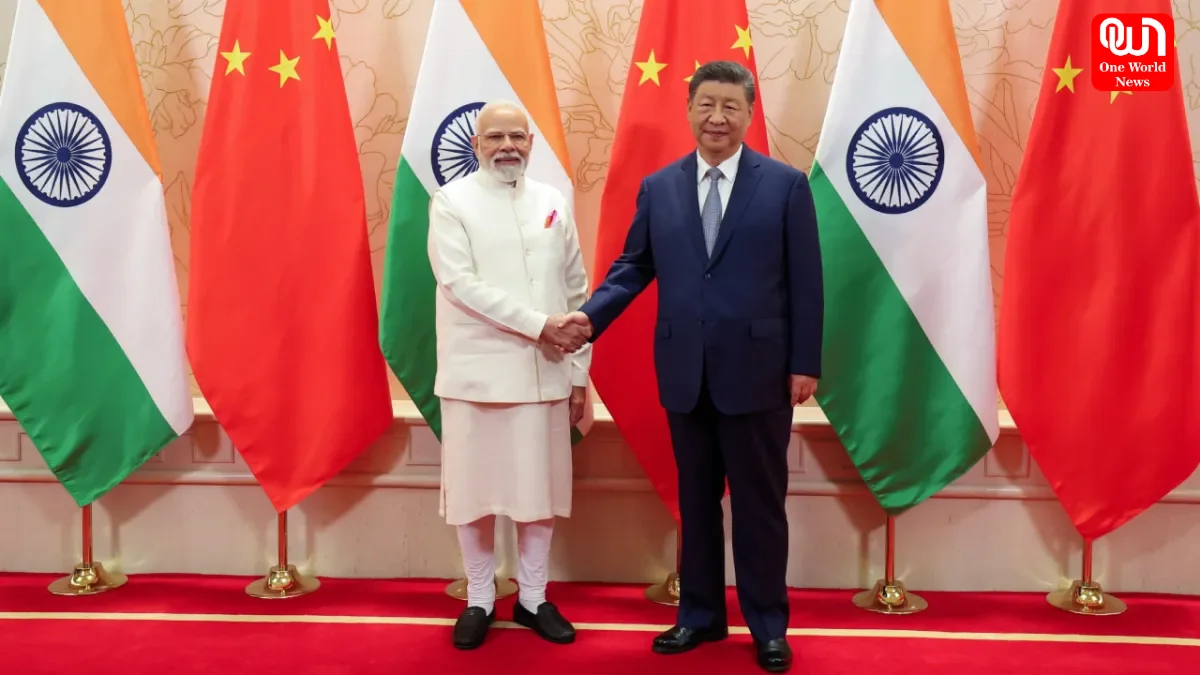
The current phase of relative calm follows a high-profile meeting between Indian and Chinese leaders in October 2024, where both sides agreed to disengage from remaining standoff points along the LAC. That agreement marked a turning point after years of tension and led to a series of monthly high-level engagements aimed at stabilizing relations.
While mutual distrust persists, these diplomatic efforts have helped reduce the risk of confrontation and maintain a working relationship between the two Asian powers.
China-Pakistan Ties Also Under Scrutiny
The US report also raised concerns about China’s growing defense and strategic cooperation with Pakistan, including speculation about the possibility of a future Chinese military base in the country. It highlighted cooperation in defense technology and space-related activities.
China’s Defense Ministry dismissed these claims, calling them unfounded and an interference in China’s internal affairs. Officials argued that the report misinterpreted normal military cooperation and exaggerated what it termed a “Chinese military threat.”
Beijing urged the US to stop fabricating narratives that promote confrontation and antagonism, warning that such actions could destabilize regional and global security.
Broader Geopolitical Implications
The exchange reflects broader tensions between the US and China, with India increasingly positioned at the center of competing strategic narratives. While Washington views closer ties with India as a counterbalance in the region, Beijing maintains that its relations with New Delhi should not be framed through rivalry or third-party influence.
China’s insistence that it calls the border situation stable signals a desire to prevent escalation while countering international criticism.
Read more: ISRO Successfully Launches Communication Satellite Bluebird Block-2 From Sriharikota
Conclusion
China’s rejection of the US report underscores the fragile balance shaping regional geopolitics. While border tensions between China and India have eased compared to previous years, strategic mistrust remains an underlying factor.
As major powers continue to interpret developments through competing lenses, the future of India-China relations will likely depend on sustained dialogue, cautious diplomacy, and the ability to manage differences without external interference.
For now, Beijing’s message is clear: it rejects external narratives and insists that the border situation with India remains stable.
We’re now on WhatsApp. Click to join.
Like this post?
Register at One World News to never miss out on videos, celeb interviews, and best reads.