Bangladesh First Woman Prime Minister Khaleda Zia Dies at 80
Bangladesh First Woman Prime Minister Khaleda Zia dies at 80 after prolonged illness, leaving behind a towering and polarising political legacy.

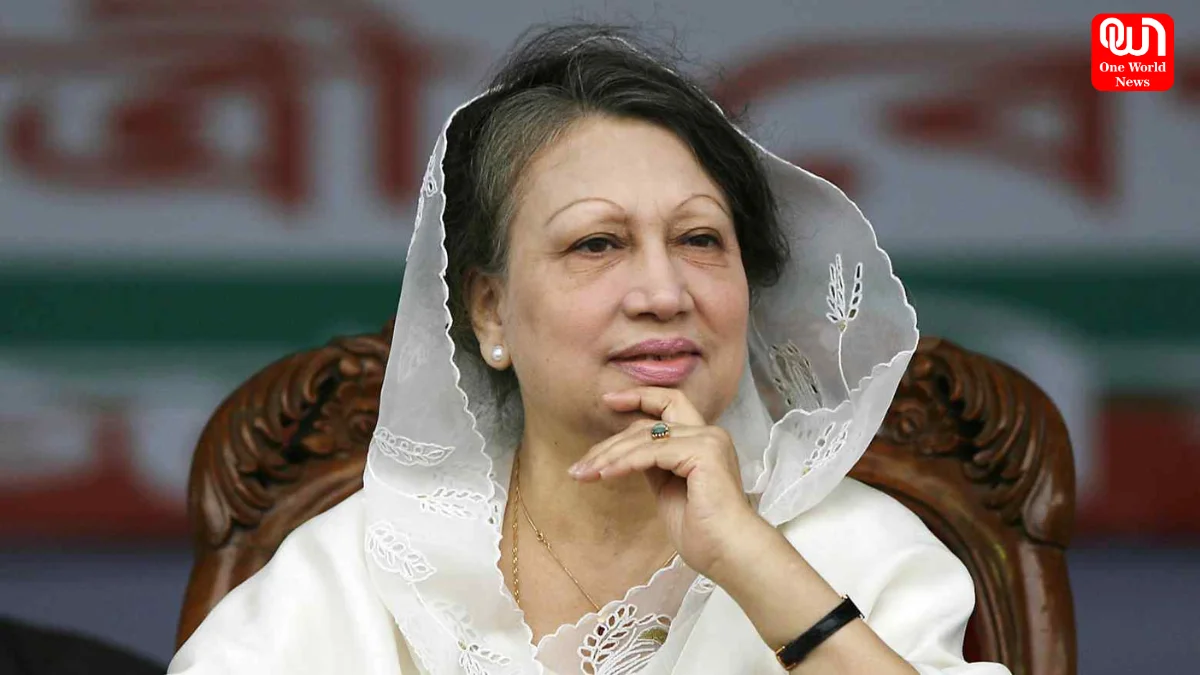
Bangladesh First Woman Prime Minister Khaleda Zia Dies at 80: End of an Era in Bangladeshi Politics
Bangladesh’s political landscape entered a historic moment with the death of Khaleda Zia, the country’s first woman Prime Minister, who passed away at the age of 80 after a prolonged illness. Her death marks the end of one of the most influential and contentious chapters in Bangladesh’s modern political history.
The Bangladesh First Woman Prime Minister Khaleda Zia Dies news was confirmed early Tuesday by the Bangladesh Nationalist Party, which she led as chairperson for decades. According to the party, Khaleda Zia died at 6:00 am on December 30, 2025, while undergoing treatment at Evercare Hospital.
Her personal physician and BNP National Standing Committee member AZM Zahid Hossain also confirmed her passing, stating that she had been battling multiple critical health complications for weeks.
Final Days and Hospitalisation
Khaleda Zia had been admitted to Evercare Hospital on November 23 as her health sharply deteriorated. Earlier in December, doctors described her condition as “extremely critical,” and she was placed on ventilator support on December 11 to reduce strain on her lungs and vital organs.
Both local and foreign medical specialists were involved in her treatment. Her daughter-in-law, Dr Zubaida Rahman, actively participated in the medical process, reflecting the family’s close involvement during her final days. Despite appeals by the BNP to seek treatment abroad, doctors advised against air travel due to her fragile condition.
Family members, senior party leaders, and doctors were present at the hospital when she passed away. The BNP said funeral prayer details would be announced later.
Reasd more: Pakistan Army Feared Full-Scale Indian Attack During Operation Sindoor
A Political Life That Shaped Bangladesh
The headline Bangladesh First Woman Prime Minister Khaleda Zia Dies resonates deeply because her life was inseparable from the nation’s political evolution. Widowed after the assassination of her husband, former President Ziaur Rahman in 1981, Khaleda Zia entered politics at a time of national upheaval.
She assumed leadership of the BNP in the mid-1980s and emerged as a central figure in the pro-democracy movement that toppled military ruler Hossain Mohammad Ershad in 1990.
In 1991, she made history by becoming Bangladesh’s first female Prime Minister after winning what was widely regarded as the country’s first free and fair election. She later served a second term after a landslide victory in 2001.
The Rivalry That Defined an Era
Khaleda Zia’s political journey cannot be separated from her long and bitter rivalry with Sheikh Hasina. The two leaders, often called the “battling Begums,” dominated Bangladeshi politics for more than three decades.
Their rivalry shaped elections, policy debates, street protests, and national discourse. While supporters viewed Khaleda as dignified yet resolute, critics accused her governments of fostering instability and failing to curb extremism.
Governance, Achievements, and Controversies
During her tenure, Khaleda Zia restored the parliamentary system, expanded primary education, and eased restrictions on foreign investment. However, her second term was overshadowed by allegations of corruption, the rise of militant groups, and the 2004 grenade attack on an opposition rally.
Her political career later became defined by legal battles, imprisonment, and house arrest. In 2018, she was jailed in a corruption case, which she claimed was politically motivated. She was released on humanitarian grounds in 2020 as her health declined and was fully freed in 2024 following major political changes in Bangladesh.
Read more: Political Roundup: Key Political Developments on Dec 29, 2025
Legacy of a Trailblazer
The news that Bangladesh First Woman Prime Minister Khaleda Zia Dies closes a chapter that influenced generations of political leaders and voters. She remains a symbol of both empowerment and division — a woman who broke gender barriers in a conservative society while presiding over one of South Asia’s most polarised political eras.
Loved by supporters, criticised by rivals, and remembered by history, Khaleda Zia’s legacy will continue to shape debates about democracy, leadership, and women’s role in politics in Bangladesh.
Her passing is not just the death of a former Prime Minister, but the end of an era that defined a nation’s political identity.
We’re now on WhatsApp. Click to join.
Like this post?
Register at One World News to never miss out on videos, celeb interviews, and best reads.