
Arunachal Dam Project Gets Eco Go-Ahead After 3 Decades, At The Cost Of 23 Lakh Trees
Arunachal Dam Project receives eco clearance after 30 years, but 23 lakh trees face felling for hydropower expansion in Northeast India.

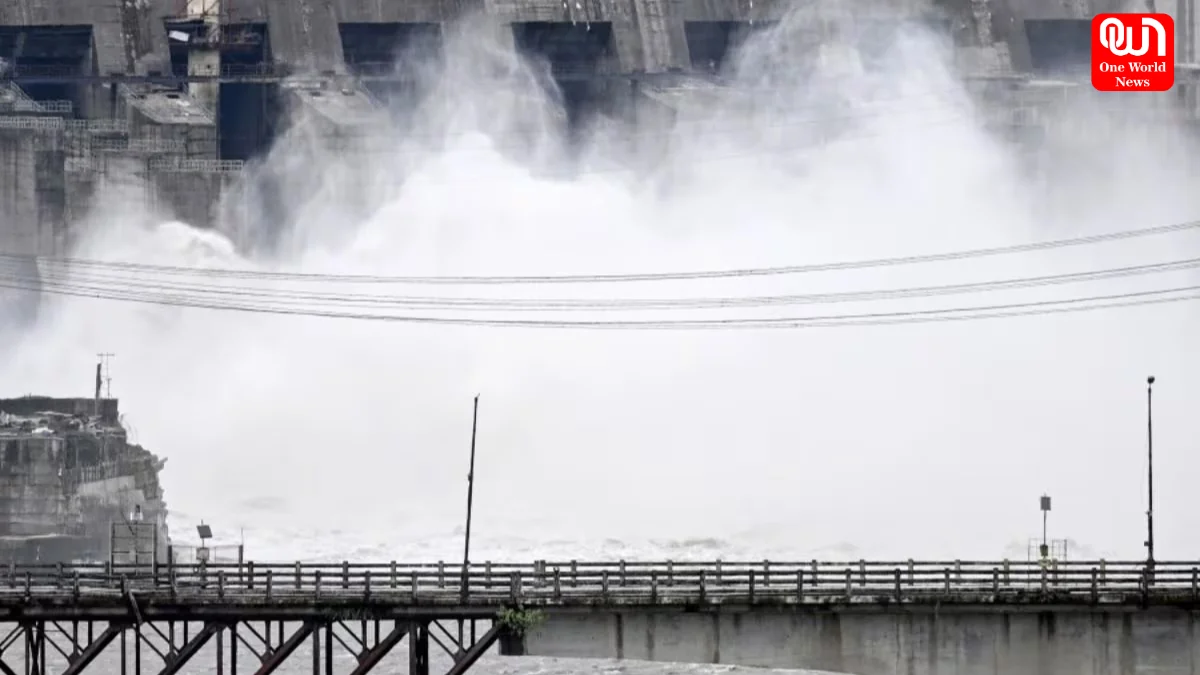
Arunachal Dam Project Gets Eco Go-Ahead After 3 Decades, Clearing Path for Mega Hydropower Development at the Cost of 23 Lakh Trees
After nearly three decades of delays, environmental reviews, policy debates, and regional concerns, the Arunachal Dam Project has finally received environmental clearance. The decision marks a major milestone for hydropower expansion in Northeast India, but it comes with a significant environmental cost — the felling of approximately 23 lakh trees.
The project, which has long been positioned as a strategic infrastructure development, aims to boost renewable energy capacity and strengthen power supply across multiple states. However, environmentalists and local communities continue to raise concerns about biodiversity loss, ecological imbalance, and displacement risks.
A Project Three Decades in the Making
The Arunachal Dam Project has been under consideration since the 1990s. Over the years, shifting environmental regulations, forest clearance requirements, and resistance from local stakeholders slowed progress. Multiple revisions were made to the project plan to address ecological sensitivity in the region, which is known for its dense forests and rich wildlife diversity.
After extensive impact assessments and compliance reviews, authorities granted environmental approval, paving the way for construction to begin. Supporters argue that the project aligns with India’s renewable energy targets and reduces reliance on fossil fuels.
Hydropower Potential and Strategic Importance
Arunachal Pradesh holds one of India’s largest untapped hydropower potentials due to its fast-flowing rivers and mountainous terrain. The Arunachal Dam Project is expected to significantly contribute to clean energy production while supporting regional development.
Read more: 5 Key PAN Rule Changes in Draft Income Tax Rules That Could Impact Daily Transactions
The hydropower plant will generate substantial megawatts of electricity, improving grid stability in northeastern states. Additionally, infrastructure development around the dam may bring improved road connectivity, employment opportunities, and investment in remote areas.
Government officials emphasize that hydropower remains one of the cleanest large-scale energy sources available. Unlike coal-based power plants, dam-based electricity generation produces minimal direct carbon emissions.
Environmental Cost: 23 Lakh Trees at Stake
Despite the renewable energy benefits, the environmental impact of the Arunachal Dam Project is substantial. Reports indicate that nearly 23 lakh trees will be cut to facilitate reservoir creation and supporting infrastructure.
The affected forest areas are part of a biodiversity hotspot, home to rare plant species, migratory birds, and endangered wildlife. Environmental experts warn that large-scale deforestation could disrupt fragile ecosystems and alter riverine patterns.
Compensatory afforestation has been proposed as part of the clearance conditions. Authorities claim that tree plantation drives and conservation measures will offset the ecological damage. However, environmental groups argue that replacing old-growth forests with plantation forests does not replicate natural biodiversity.
Local Community Concerns
The project also raises concerns about the displacement of local communities. Several villages located near the proposed reservoir area may face relocation. While compensation packages and rehabilitation plans have been announced, affected families seek greater clarity and transparency.
Tribal communities in Arunachal Pradesh have deep cultural and spiritual ties to their land and forests. For many residents, the impact extends beyond economics to heritage and identity.
Public consultations and hearings were conducted before granting clearance. Officials maintain that stakeholder inputs were incorporated into revised project plans to minimize social disruption.
Balancing Development and Conservation
The approval of the Arunachal Dam Project reignites the broader debate between infrastructure growth and environmental conservation. India’s push toward renewable energy expansion requires large-scale projects, but ecological sustainability remains a key concern.
Experts suggest that modern engineering techniques and careful reservoir management can reduce environmental damage. Improved wildlife corridors, catchment area treatment plans, and stricter compliance monitoring may help mitigate long-term ecological risks.
Policymakers now face the challenge of ensuring that implementation follows environmental safeguards strictly. Transparency in monitoring forest diversion and rehabilitation measures will be critical.
The Road Ahead
With environmental clearance secured, the Arunachal Dam Project enters its execution phase. Construction timelines, funding mobilization, and regulatory oversight will determine how smoothly the project progresses.
The coming years will reveal whether the development benefits outweigh the ecological trade-offs. While hydropower expansion strengthens energy security, the loss of 23 lakh trees underscores the environmental price of progress.
As India accelerates infrastructure growth, the Arunachal Dam Project stands as a reminder that sustainable development requires careful balance between economic ambition and ecological responsibility.
We’re now on WhatsApp. Click to join.
Like this post?
Register at One World News to never miss out on videos, celeb interviews, and best reads.