From Slashed Tariffs to $500 Billion Purchase Plan: India-US Trade Framework
Explore the India-US Trade Framework, from slashed tariffs and market access to a $500 billion purchase plan shaping bilateral economic ties in 2026.

From Slashed Tariffs to $500 Billion Purchase Plan: Top Highlights of the India-US Trade Framework 2026
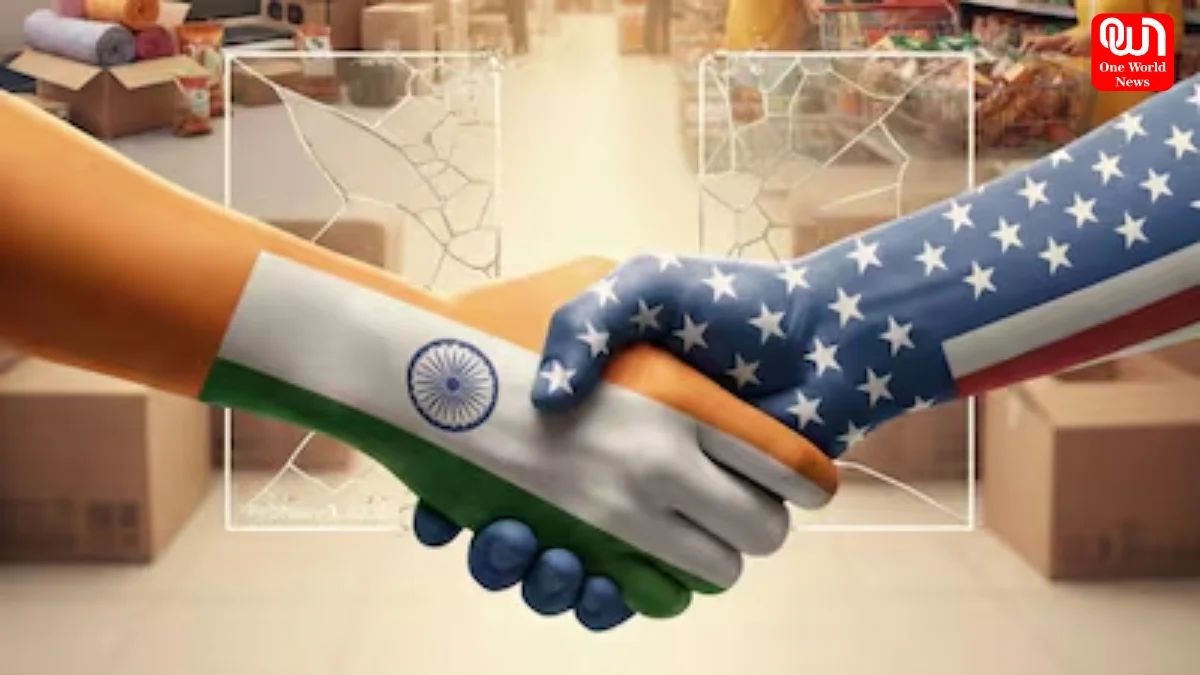
In a significant development for global trade relations, India and the United States have announced an interim framework under the India-US Trade Framework 2026 designed to reset tariffs, expand market access, and deepen economic cooperation between the two countries. Central to the agreement is a $500 Billion Purchase Plan, a commitment by India to increase imports of U.S. goods over the next five years. The framework also sets the stage for a future comprehensive bilateral trade agreement that could reshape the economic landscape for both nations.
Reduction of Tariffs and Market Access
One of the most striking features of the trade framework is the agreement to significantly lower tariffs. The United States will reduce its reciprocal tariff rate on Indian exports to 18%, down from previous punitive levels of up to 50%. This slashing of tariffs is expected to boost competitive access for Indian products in the American market, including textiles, apparel, leather goods, plastics, organic chemicals, home décor, and machinery.
In return, India will eliminate or substantially reduce tariffs on a wide range of U.S. industrial and food products. These include dried distillers’ grains, tree nuts, fresh and processed fruits, soybean oil, wine, and spirits. By reducing trade barriers on both sides, the framework seeks to restore balance and generate new opportunities for exporters from both nations.
Read more: Political Roundup: Key Developments Shaping the World on Feb 6, 2026
The $500 Billion Purchase Plan
At the heart of the agreement is India’s intention to buy $500 billion worth of U.S. goods over the next five years — the $500 Billion Purchase Plan. While not a binding contract, this ambitious target covers broad categories such as energy products, aircraft and aircraft parts, precious metals, technology products, and coking coal. It aims to address the longstanding trade imbalance between the two economies and reassure American policymakers about India’s commitment to a more balanced trade relationship.
This massive purchase plan signals India’s interest in diversifying its sources of imports and strengthening industrial linkages with the United States. It also aligns with India’s broader efforts to modernize its infrastructure and support sectors such as aviation, energy, and advanced technology.
Addressing Non-Tariff Barriers and Standards
Beyond tariff reductions and purchase commitments, the framework includes provisions to address non-tariff barriers that have long impeded trade. Both countries have agreed to work on aligning standards, improving conformity assessment procedures, and tackling restrictive licensing requirements that delay market access for goods, particularly in sectors like medical devices and information and communication technology products.
These regulatory improvements are crucial for ensuring smoother and more efficient trade flows, particularly for high-tech and rapidly evolving industries. By addressing non-tariff hurdles, the India-US Trade Framework 2026 seeks to make trade more predictable and mutually beneficial.
Strategic Cooperation and Economic Security
The interim trade framework also highlights deeper cooperation on economic security, supply chain resilience, and export controls. Both nations recognize the importance of strengthening investment ties and coordinating on key economic policies to counter global competitive pressures. This includes working together on export controls and investment reviews to ensure secure and sustainable trade flows.
This strategic alignment positions the bilateral relationship not just as a trade partnership, but also as a cooperative response to evolving geopolitical and economic challenges in a more interconnected world.
Impacts on Business and Industries
Analysts believe the tariff resets and market access improvements will benefit small, medium, and large businesses on both sides. Indian exporters could see increased demand in the U.S. thanks to lower tariffs and broader access, while U.S. producers could expand their footprint in India’s vast and growing market.
Access to essential inputs like energy products and technology goods is expected to bolster industrial growth in India, while Indian imports of U.S. products could create jobs and boost manufacturing capacity in both countries.
Path Toward a Full Trade Deal
While the interim framework marks a significant milestone, both governments have stated their intent to negotiate a comprehensive bilateral trade agreement (BTA). The current framework creates momentum and trust, laying the groundwork for more detailed discussions that could incorporate wider market access commitments, further tariff eliminations, and enhanced cooperation in services and digital trade.
Read more: India-US Trade Deal: Agriculture and Farmers Protected Amid Negotiations
Officials have indicated that formal signing of an expanded trade deal could occur in the coming months, setting a roadmap for long-term economic ties that extend well beyond the interim framework.
Conclusion
The India-US Trade Framework 2026 represents a major recalibration of economic relations between two of the world’s largest democracies. With slashed tariffs, regulatory cooperation, and the ambitious $500 Billion Purchase Plan, the agreement carries the potential to unlock new opportunities for exporters, strengthen supply chains, and lay the foundation for a broader and more strategic trade partnership in the years ahead.
Economic observers will be watching closely as negotiations continue toward a full bilateral trade agreement, which could redefine global trade dynamics and foster sustained growth for both India and the United States.
We’re now on WhatsApp. Click to join.
Like this post?
Register at One World News to never miss out on videos, celeb interviews, and best reads.