Eid al-Fitr 2026: A Global Celebration of Faith, Gratitude, and Community
Eid al-Fitr 2026 marks the end of Ramadan, celebrating faith, gratitude, charity, and togetherness among Muslim communities worldwide.

Eid al-Fitr 2026: Date, Meaning, Traditions, and Why the Festival Matters Worldwide
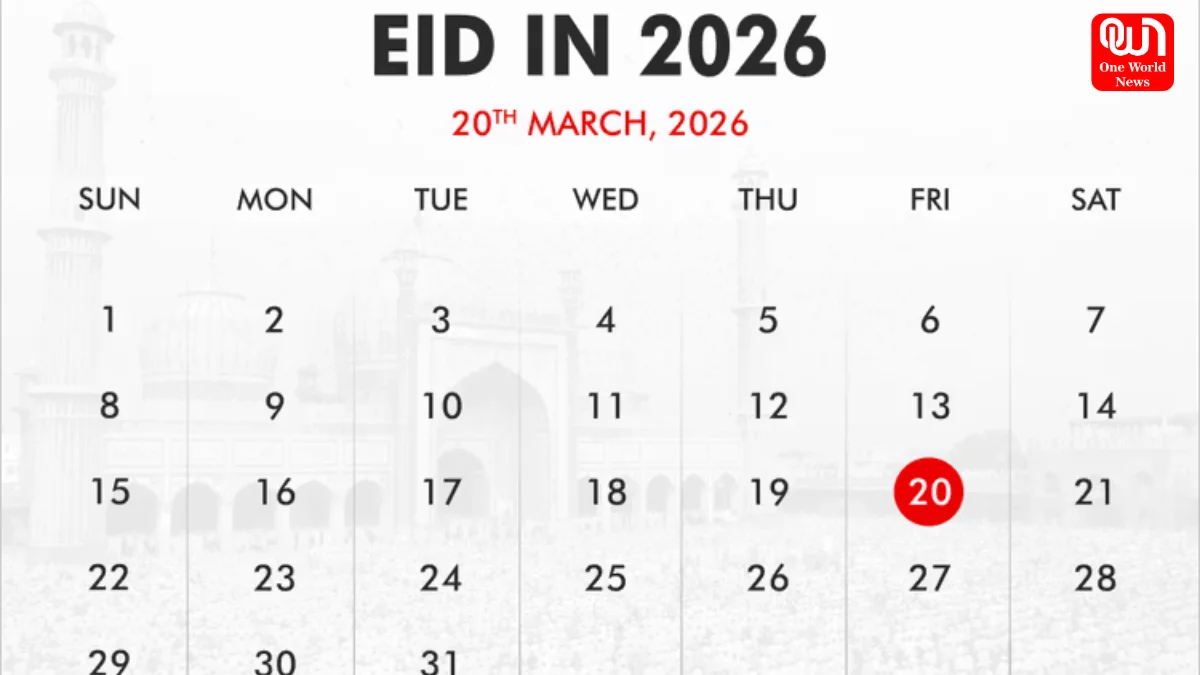
Eid al-Fitr 2026 is expected to be observed around March 20 or March 21, 2026, depending on the sighting of the moon. The festival marks the end of Ramadan, the Islamic holy month of fasting, reflection, and spiritual discipline. For Muslims across the world, Eid al-Fitr is a deeply meaningful occasion that blends faith, gratitude, generosity, and community celebration.
Often referred to as the “Festival of Breaking the Fast,” Eid al-Fitr signals a moment of renewal after a month devoted to self-restraint and devotion.
Read more: Political Roundup: Key Global Political Developments Explained
The Meaning of Eid al-Fitr
Eid al-Fitr carries profound spiritual significance. It celebrates the successful completion of Ramadan, during which Muslims fast from dawn to sunset, engage in prayer, and practice acts of kindness and charity.
The festival is a reminder that spiritual growth does not end with Ramadan. Instead, Eid encourages believers to carry forward the values learned during the holy month — patience, compassion, humility, and gratitude — into everyday life.
At its heart, Eid al-Fitr 2026 is about thanking God for strength, guidance, and the opportunity to grow spiritually.
The Importance of Charity on Eid
One of the most important aspects of Eid al-Fitr is Zakat al-Fitr, a charitable donation given before the Eid prayer. This act ensures that everyone, including the less fortunate, can participate in the joy of the festival.
Charity during Eid reinforces social responsibility and collective care. It emphasizes that celebration is incomplete if it does not include compassion for others. This principle makes Eid al-Fitr not just a personal celebration, but a community-centered one.
How Eid al-Fitr Is Celebrated
The day of Eid typically begins with a special prayer performed in congregation, often in mosques or large open spaces. People dress in clean or new clothes, symbolizing renewal and positivity.
After prayers, families and friends gather to exchange greetings, share meals, and spend time together. Traditional dishes vary by region, reflecting the rich cultural diversity of Muslim communities worldwide. Sweet treats often play a central role, marking the end of a month-long fast.
Children receive gifts or money, homes are decorated, and visits to relatives strengthen family bonds.
Eid al-Fitr as a Global Festival
While rooted in Islamic faith, Eid al-Fitr 2026 is observed across continents, cultures, and languages. From Asia and Africa to Europe, the Americas, and beyond, the festival reflects a shared spiritual experience shaped by local traditions.
In many countries, Eid is also a public celebration, with markets, cultural events, and community gatherings adding to the festive atmosphere. This global presence highlights how Eid unites millions through shared values, even across different cultures.
A Time for Forgiveness and Renewal
Eid al-Fitr is also a time for reconciliation. People are encouraged to forgive past grievances, seek peace, and strengthen relationships. The emphasis on forgiveness reflects the broader spiritual goal of inner purification achieved during Ramadan.
This focus on emotional and moral renewal gives Eid al-Fitr lasting relevance beyond a single day.
Read more: ICC Deputy Chairman Imran Khwaja Asked to Convince Pakistan to Face India at T20 WC
Eid in the Modern World
In today’s digital age, Eid celebrations have expanded beyond physical gatherings. Families connect through video calls, messages, and online greetings, allowing loved ones across the world to share the joy together.
Social media plays a role in spreading festive messages, charitable initiatives, and cultural awareness, helping Eid al-Fitr 2026 reach a global audience beyond religious boundaries.
Why Eid al-Fitr Still Matters
In a fast-paced and often divided world, Eid al-Fitr offers a pause — a moment to reflect on gratitude, generosity, and shared humanity. It reminds people of the importance of balance between spiritual devotion and social responsibility.
The festival’s emphasis on kindness and community makes it relevant not only to Muslims but also as a broader example of how traditions can promote unity and compassion.
Looking Ahead to Eid al-Fitr 2026
As Eid al-Fitr 2026 approaches, preparations will begin well in advance, filled with anticipation, reflection, and hope. While customs may evolve, the essence of Eid remains unchanged — celebrating faith, strengthening bonds, and spreading joy.
Eid al-Fitr is more than the end of fasting. It is a celebration of resilience, gratitude, and the shared values that bring people together across cultures and borders.
We’re now on WhatsApp. Click to join.
Like this post?
Register at One World News to never miss out on videos, celeb interviews, and best reads.