Delhi Chokes In Bad Air: Punjab Farm Fires Near 6,500 Mark, Up 1,461 From Last Year as Pollution Crisis Deepens in November 2026
Delhi Chokes In Bad Air as Punjab farm fires approach 6,500, rising 1,461 from last year. Check AQI, stubble burning and latest updates.

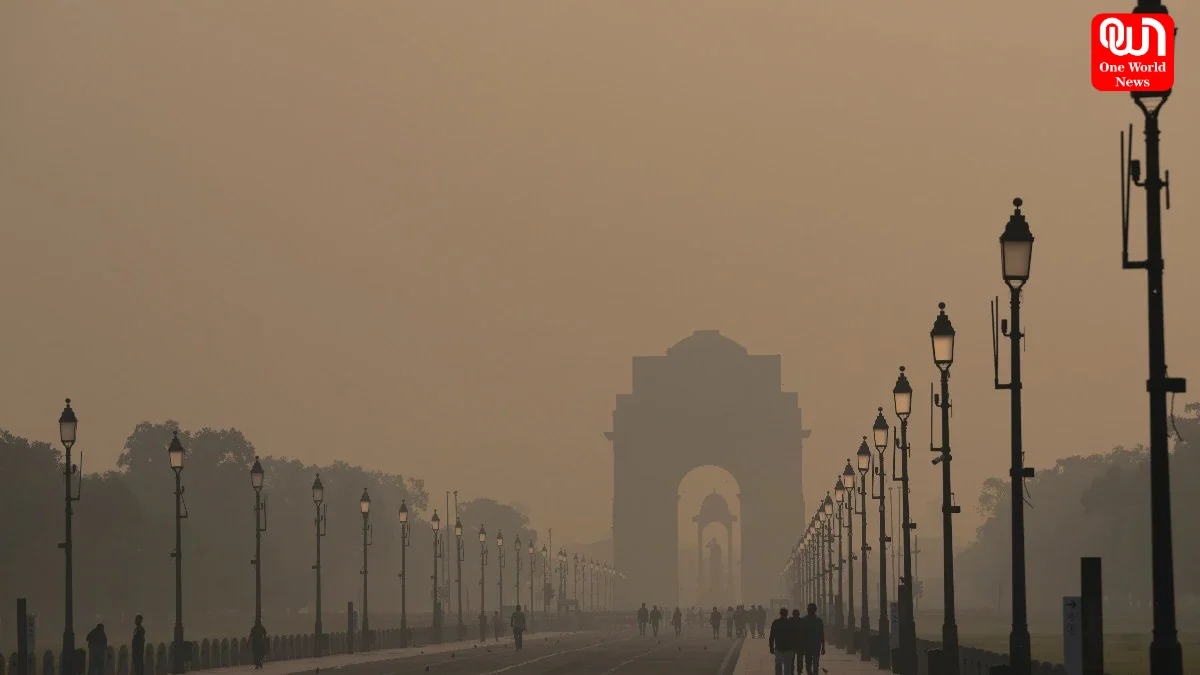
Delhi Chokes In Bad Air as Punjab Farm Fires Approach 6,500 Mark
Delhi’s air pollution crisis has intensified as the national capital continues to struggle with poor air quality and rising concerns over agricultural stubble burning in neighbouring Punjab. The latest figures from November 17, 2026, show that Punjab has recorded 6,433 farm-fire incidents during the ongoing paddy harvesting season, bringing the total close to the 6,500 mark.
The number of stubble-burning incidents has increased by 1,461 compared with the corresponding period last year, raising fresh concerns about the impact of agricultural fires on air quality across Delhi-NCR.
According to reported figures, Punjab recorded 461 fresh farm-fire incidents on Monday, November 16, taking the cumulative total to 6,433. The development comes at a time when residents of Delhi and neighbouring cities are already facing hazardous seasonal pollution, reduced visibility and growing health concerns.
Punjab Records 6,433 Stubble-Burning Incidents in 2026
Punjab’s farm-fire numbers have witnessed a significant increase this season despite government measures aimed at discouraging farmers from burning crop residue.
The paddy harvesting season began on September 15, and the number of incidents has continued to rise throughout the period. On November 16, the state registered 461 new cases, pushing the cumulative figure to 6,433.
A comparison with last year’s corresponding period highlights the increase. Punjab had recorded 4,972 incidents by November 16, 2025. This means the state has reported 1,461 additional farm fires this year.
The rising numbers have reversed the encouraging trend of declining stubble-burning incidents witnessed over previous years. Authorities are now facing renewed pressure to strengthen monitoring and provide farmers with practical alternatives to crop residue burning.
Why Are Farmers Burning Stubble in Punjab?
Stubble burning is the practice of setting fire to leftover crop residue after harvesting paddy. Once the rice crop is harvested, a large quantity of straw remains in the fields.
Farmers often burn this residue to clear their agricultural land quickly and prepare it for the next wheat-sowing season.
The short gap between paddy harvesting and wheat cultivation is one of the major reasons behind this practice. Removing the leftover straw mechanically can require additional machinery, labour, time and money.
For farmers working under tight agricultural schedules, burning is often considered a faster and cheaper option. However, this practice releases smoke and harmful pollutants into the atmosphere, contributing to environmental and public health concerns.
How Punjab Farm Fires Are Affecting Delhi’s Air Quality
Stubble burning in Punjab and Haryana has historically contributed to Delhi-NCR’s seasonal air pollution problem, particularly during October and November.
When farmers burn crop residue, the smoke contains fine particulate matter, including PM2.5, along with carbon monoxide and other pollutants. Depending on wind direction and atmospheric conditions, these pollutants can travel across state boundaries.
Delhi’s geographical location and changing winter weather conditions make the situation more complicated. Weak winds, lower temperatures and reduced atmospheric mixing can prevent pollutants from dispersing effectively.
As a result, smoke and emissions from different sources can accumulate closer to the ground, worsening air quality across the capital and surrounding regions.
However, stubble burning is not the only reason behind Delhi’s pollution. Vehicle emissions, construction dust, industrial activities, waste burning and other local sources also contribute significantly to the problem.
Delhi’s AQI Remains a Major Concern
Delhi’s air quality has remained a serious concern during November 2026. According to reported data, the capital’s average AQI stood at 275 on November 16, placing it in the poor category. Several monitoring stations recorded readings above 300 on November 17, indicating very poor air quality in parts of the city.
Weather conditions are also playing an important role in the pollution situation. Low wind speeds and unfavourable atmospheric conditions are making it difficult for pollutants to disperse.
The Centre for Science and Environment (CSE) has also highlighted that Delhi’s early-winter pollution levels in 2026 have worsened compared with previous years. Its analysis points towards the combined impact of local emissions, agricultural fires and seasonal weather changes.
Which Punjab Districts Have Reported the Highest Farm Fires?
Several districts in Punjab have reported a high number of stubble-burning incidents this season. Firozpur has emerged as the worst-affected district, followed by Tarn Taran and Sangrur.
The reported district-wise figures as of November 15 are:
- Firozpur: 817 incidents
- Tarn Taran: 700 incidents
- Sangrur: 689 incidents
- Bathinda: 528 incidents
- Patiala: 396 incidents
These figures highlight the continuing challenge of controlling agricultural fires across the state.
Government Steps to Control Stubble Burning
Authorities have introduced several enforcement measures to discourage farmers from burning crop residue. These include field inspections, environmental compensation, police cases and monitoring of agricultural land.
According to official figures reported for November 15, 1,859 FIRs had been registered, while environmental compensation had been imposed in 2,219 cases. Authorities had also made entries in the land records of farmers found violating applicable directions.
However, the continued rise in farm fires suggests that enforcement alone may not be enough. Farmers also need affordable machinery, better crop residue management facilities and accessible financial support to adopt alternative methods.
What Lies Ahead for Delhi-NCR?
The increasing number of farm fires in Punjab has renewed concerns about Delhi’s winter pollution situation. With agricultural residue burning continuing alongside traffic emissions, construction dust and industrial pollution, the capital faces a challenging period.
Experts have repeatedly highlighted the importance of coordinated action between neighbouring states to address regional air pollution. Better agricultural practices, stronger pollution monitoring and year-round emission control will be necessary to achieve long-term improvements.
For residents, the current situation underlines the importance of monitoring daily AQI levels and following official health advisories, particularly during periods of very poor air quality.
Conclusion
The latest figures show that Punjab’s stubble-burning incidents have approached the 6,500 mark, with 6,433 cases reported by November 16, 2026. The increase of 1,461 incidents compared with the corresponding period last year has raised fresh concerns as Delhi continues to battle poor air quality.
Although farm fires are not the only source of pollution, their contribution adds to the existing environmental burden during the winter season. Stronger enforcement, farmer support and coordinated action across northern states will be essential to control the situation.
Stay connected with One World News for the latest updates on Delhi air pollution, Punjab farm fires, AQI levels and important environmental developments.
We’re now on WhatsApp. Click to join.
Like this post?
Register at One World News to never miss out on videos, celeb interviews, and best reads.