Delhi Pollution Alert: 50% Work From Home, Construction Ban From November 5 to 20
Delhi faces fresh Delhi-NCR pollution curbs, with 50% WFH and construction restrictions from November 5 to 20 as Delhi AQI concerns rise.

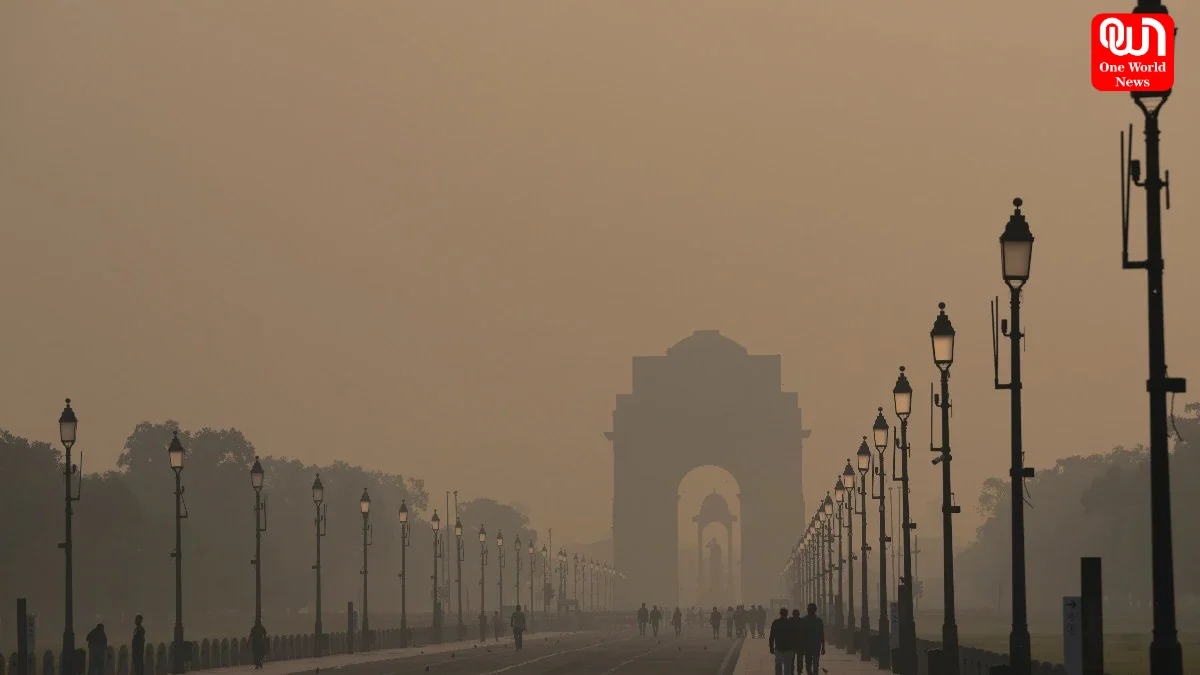
Delhi, Delhi-NCR Weather and Pollution Update: CAQM Orders 50% Work From Home and Construction Restrictions From November 5 to 20 Amid Rising Air Quality Index and Delhi AQI Concerns
Delhi Orders 50% Work From Home as Construction Activities Face Restrictions From November 5 to 20 Amid Rising Pollution
Delhi-NCR is preparing for another challenging pollution season as authorities announce fresh restrictions to control deteriorating air quality. In a major development, the Commission for Air Quality Management (CAQM) has directed government and private offices in Delhi and five neighbouring NCR districts to ensure that up to 50% of employees work from the office, while the remaining staff work from home. The new measures will remain effective from November 5 to November 20, 2026. Additionally, dust-generating construction and demolition activities will face restrictions across the entire National Capital Region. These preventive steps aim to reduce pollution levels before the seasonal deterioration in the Air Quality Index becomes more severe.
Delhi-NCR Pollution: What Are the New Restrictions?
The Commission for Air Quality Management has introduced these measures under Section 12 of the CAQM Act, 2021. The decision follows an assessment of historical pollution trends, which indicates that early and mid-November frequently witness a significant deterioration in air quality across the region.
Under the latest directions, government and private offices must limit physical attendance to a maximum of 50% of their workforce. The remaining employees will be required to work remotely during the specified period.
The restrictions cover Delhi and five NCR districts, including Gurugram, Faridabad, Sonipat, Ghaziabad and Gautam Buddha Nagar, which includes Noida and Greater Noida.
However, industrial establishments and essential services where work-from-home arrangements are not practical have been exempted.
50% Work From Home for Government and Private Offices
One of the biggest changes under the new Delhi-NCR pollution control measures is the restriction on office attendance.
From November 5, offices covered by the order will have to ensure that no more than half of their employees report to their workplaces physically. The remaining workforce will work from home.
This arrangement is expected to reduce daily commuting, traffic congestion and vehicle-related emissions across Delhi-NCR.
Both government departments and private companies will have to follow the directions. Employers may need to introduce rotational attendance schedules so that office operations continue without exceeding the permitted physical workforce.
Essential services and industrial establishments where remote working is not feasible will receive exemptions under the order.
Construction and Demolition Activities Restricted Across Delhi-NCR
Another significant measure involves restrictions on construction and demolition work.
From November 5 to November 20, dust-generating demolition and outdoor construction activities will face restrictions throughout the National Capital Region.
The directions also cover several linear infrastructure projects, including:
- Highway and road construction.
- Flyovers and overbridges.
- Power transmission lines.
- Pipeline installation.
- Telecommunications infrastructure.
Construction dust is an important contributor to particulate pollution, particularly during dry weather conditions. Suspending these activities temporarily is intended to reduce the amount of dust released into the atmosphere.
However, the restrictions include exemptions for important infrastructure and public-service projects.
Read more: Gold And Silver Price Today, 31 October 2026: Check Latest Gold and Silver Rates in India
Which Construction Projects Are Exempted?
The CAQM has provided exemptions for certain projects considered essential for public infrastructure and national development.
Activities associated with the following sectors are exempted:
- Railway projects.
- Metro services and infrastructure.
- Airports.
- Inter-state bus terminals.
- Hospitals.
- Water supply and sanitation projects.
- National security and defence-related activities.
- Projects of national importance.
These exemptions are intended to ensure that essential infrastructure development and public services continue during the pollution-control period.
Why Is Delhi-NCR Pollution Expected to Increase in November?
The timing of the restrictions is connected to the recurring seasonal pollution pattern observed across Delhi-NCR.
According to the CAQM order, historical daily Air Quality Index data from 2018 to 2025 show that pollution levels frequently rise during the early and middle weeks of November.
Several factors contribute to this seasonal deterioration, including vehicle emissions, construction dust, agricultural residue burning, biomass burning and other local pollution sources.
Weather conditions also influence pollution concentration. Lower wind speeds, shallow atmospheric boundary layers and reduced vertical mixing can prevent pollutants from dispersing effectively.
As a result, pollution can accumulate near ground level, creating unhealthy breathing conditions for residents.
Delhi AQI and Delhi-NCR Weather: What Should Residents Expect?
The Delhi AQI remains an important indicator for understanding the region’s pollution situation. During the winter season, changing weather conditions can significantly influence how quickly pollutants disperse.
According to recent reports, Delhi’s air quality had improved to the moderate category following overnight rainfall, but forecasts indicated a possible deterioration towards the poor category from November 1.
Residents should regularly monitor official Air Quality Index updates rather than relying only on visibility or weather conditions.
People can also take precautions such as limiting outdoor physical activities during high-pollution periods, using suitable protective measures and keeping indoor spaces clean.
How Will the New Pollution Curbs Affect Daily Life?
The latest restrictions may bring changes to everyday routines for employees, businesses and construction workers.
Employees may benefit from reduced commuting requirements, while companies will need to manage remote-working arrangements. Construction businesses may have to temporarily suspend affected activities or adjust project schedules according to the applicable exemptions.
Commuters could also experience changes in traffic patterns as fewer employees travel to offices.
The effectiveness of these measures will depend on proper implementation, monitoring and cooperation between government agencies, businesses and residents.
Conclusion: Delhi Introduces Fresh Measures to Control Delhi-NCR Pollution
The latest restrictions mark another important step in Delhi’s efforts to address seasonal air pollution. With 50% work-from-home arrangements and construction restrictions scheduled from November 5 to November 20, authorities are attempting to reduce emissions before pollution reaches more dangerous levels.
As the winter season progresses, changes in the Air Quality Index, weather conditions and pollution-control enforcement will remain important factors to watch.
Residents across Delhi, Gurugram, Noida, Ghaziabad and other NCR areas should stay updated with official announcements and follow the prescribed guidelines. Stay connected with One World News for the latest Delhi news, Delhi-NCR weather updates and pollution-related developments.
We’re now on WhatsApp. Click to join.
Like this post?
Register at One World News to never miss out on videos, celeb interviews, and best reads.