US House Advances Russia Sanctions Bill: Donald Trump Could Impose 100% India Tariffs Over Russian Oil
US House advances Russia Sanctions Bill as Donald Trump could impose 100% India Tariffs over Russian Oil, drawing debate from Hoyer and Meeks.

US House Advances Russia Sanctions Bill Allowing Donald Trump to Impose 100% India Tariffs Over Russian Oil as Lindsey Graham, Steny Hoyer and Gregory Meeks Debate the Measure
US House Advances Russia Sanctions Bill Allowing Donald Trump to Impose 100% India Tariffs Over Russian Oil as Lindsey Graham, Steny Hoyer and Gregory Meeks Debate the Measure
Meta Description:
US House advances Russia Sanctions Bill as Donald Trump could impose 100% India Tariffs over Russian Oil, drawing debate from Hoyer and Meeks.
US House Moves Forward With Russia Sanctions Bill
The US House has moved forward with consideration of a major Russia Sanctions Bill that could give President Donald Trump authority to impose tariffs of up to 100% on countries purchasing Russian oil and gas. India has emerged as one of the countries that could potentially face additional duties because of its continued imports of Russian crude.
The legislation, known as the Lindsey O. Graham Sanctioning Russia and Iran Act of 2026, was championed by the late Senator Lindsey Graham. The Senate passed the legislation earlier this year with strong bipartisan support. On September 14, 2026, the House Rules Committee reported the rule for considering the Senate amendments to the bill, clearing the way for consideration by the full House.
What the Russia Sanctions Bill Could Mean for India
The proposed legislation targets countries that purchase significant quantities of Russian energy or are considered to be helping sanctions evasion. Under the measure, the president could impose additional tariffs of up to 100% on certain imports from eligible countries.
India is particularly relevant because it has remained a major buyer of Russian crude oil. The availability of discounted Russian oil has been an important factor in India’s energy purchasing strategy since Russia’s invasion of Ukraine.
However, the proposed legislation would not automatically place a 100% tariff on all Indian goods. Instead, it would provide the US president with authority to impose such duties under specified circumstances.
Why Donald Trump Is Central to the Tariff Debate
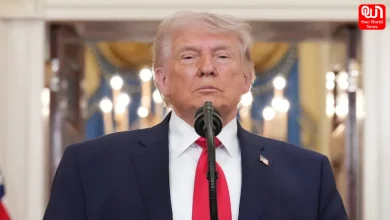
The legislation would expand the president’s authority to respond economically to countries purchasing Russian energy. If enacted, Donald Trump would have significant discretion over whether and when to use the proposed tariff authority.
The measure also contains provisions allowing the president to waive certain sanctions or restrictions under specified conditions. Supporters argue that stronger economic measures could increase pressure on Russia and countries continuing to purchase its energy. Critics have raised concerns about the potential economic consequences of broad presidential tariff powers.
Steny Hoyer Amendment Specifically Mentioned India
Democratic Representative Steny Hoyer, along with Representative Marcy Kaptur, submitted an amendment that would have specifically identified countries initially eligible for duties of up to 100%.
The proposed list included India, China, Türkiye, Azerbaijan, Hungary, Slovakia, the United Arab Emirates, Singapore, Kazakhstan and Kyrgyzstan.
Read more: BRICS Summit 2026: 72 Hours, 15 Key Meetings — How PM Modi Made the Most of BRICS Summit Delhi
The amendment would not itself have imposed a 100% tariff on these countries. Instead, it would have identified them as countries eligible for potential duties under the legislation. The House Rules Committee did not make the Hoyer amendment available for consideration.
Gregory Meeks Raises Concerns Over Tariff Authority
Representative Gregory Meeks, the ranking Democrat on the House Foreign Affairs Committee, has raised concerns about the legislation in its current form.
During a September 15 Rules Committee hearing, Meeks argued that the bill could provide the president with broad tariff authority. He pointed particularly to provisions that could permit tariffs of up to 100% on goods from major purchasers of Russian oil and gas and countries considered to be evading sanctions.
Meeks also raised concerns that additional tariffs could increase costs for American consumers and businesses.
India Tariffs Could Affect US-India Trade
If the proposed tariff authority were eventually used against India, the effects could extend beyond the energy sector. Higher US duties could influence the cost of Indian products entering the American market, depending on which goods and tariff categories were covered.
Indian exporters could face uncertainty regarding pricing, contracts and future demand from US buyers. American importers could also experience higher costs if additional duties were introduced.
The eventual economic impact would depend on several factors, including whether the president uses the authority, which products are covered and how long any additional tariffs remain in place.
Where the US House Process Stands
The latest development should not be interpreted as a final 100% tariff on Indian goods. The House Rules Committee adopted the rule governing consideration of the Senate amendments to H.R. 5334 on September 14.
The legislation still requires action by the full House before it could move through the remaining legislative process and potentially reach the White House.
The debate reflects different views about how the United States should respond to Russian energy purchases. Supporters emphasize economic pressure on Russia, while opponents have focused on the scope of presidential tariff authority and possible effects on American businesses and consumers.
What Happens Next?
The next stage will depend on action by the full US House. If the legislation advances through Congress and becomes law, the administration would then have to determine whether to exercise the proposed tariff authority.
For India, the key issue is whether the United States ultimately uses the legislation’s provisions against countries purchasing Russian Oil. Any such action could have implications for bilateral trade, Indian exporters and US importers.
Read more: BRICS Summit 2026: 72 Hours, 15 Key Meetings — How PM Modi Made the Most of BRICS Summit Delhi
Conclusion
The latest US House action has brought the Russia Sanctions Bill closer to further congressional consideration and placed potential India Tariffs connected to Russian Oil purchases in the spotlight.
The legislation is associated with Lindsey Graham, while lawmakers including Steny Hoyer and Gregory Meeks have taken different positions on its tariff provisions. For now, a 100% tariff on Indian imports should be described as a potential authority under the proposed legislation, not an automatic tariff already imposed on India.
The coming congressional steps and any eventual decision by Donald Trump will determine whether the proposed measures become part of US trade policy.
We’re now on WhatsApp. Click to join.
Like this post?
Register at One World News to never miss out on videos, celeb interviews, and best reads.