Heads Will Roll’: Govt Tells Air India To ‘Take Responsibility’ After Pilot Tests Positive For Marijuana
Air India Pilot Drug Test Raises Aviation Safety Concerns: Air India Pilot Marijuana Case on Phuket-Delhi Flight, DGCA Orders Stricter Drug Testing After Aircraft Incident

Air India Pilot Drug Test Raises Aviation Safety Concerns: Air India Pilot Marijuana Case on Phuket-Delhi Flight, DGCA Orders Stricter Drug Testing After Aircraft Incident
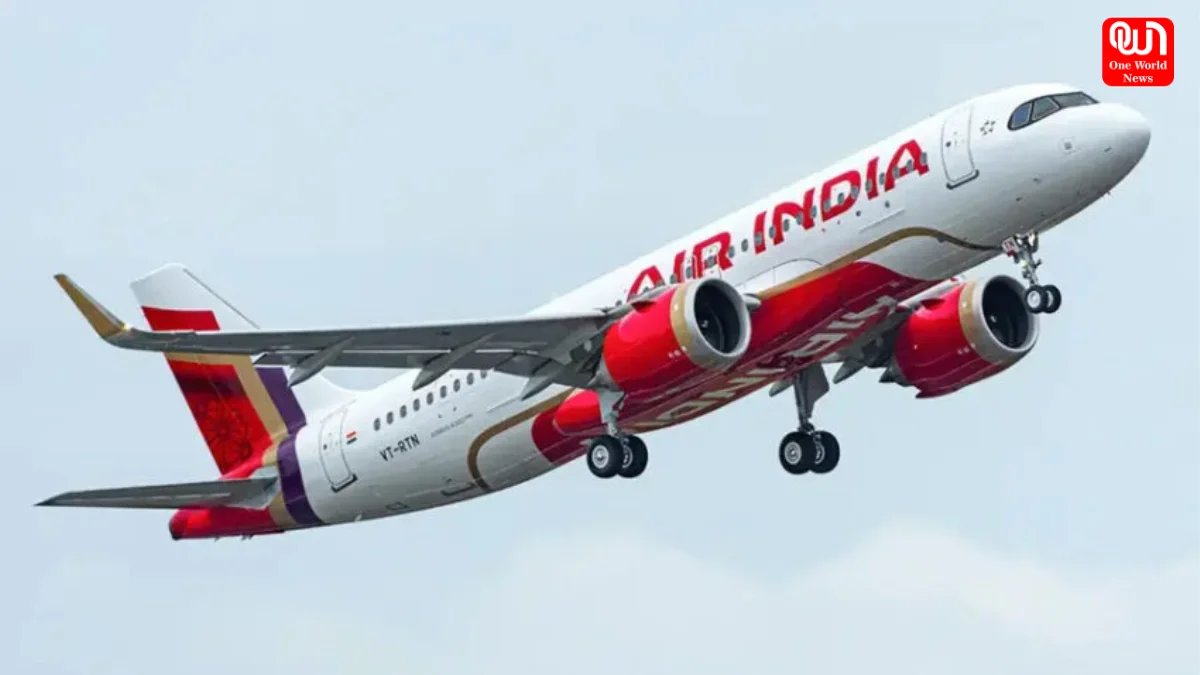
The Indian government has issued a strong warning to Air India following a serious aviation safety concern involving a pilot who reportedly tested positive for marijuana after operating a Phuket-Delhi flight. The development has raised fresh questions about pilot fitness, drug screening procedures and the airline’s responsibility for maintaining safe flight operations.
The government has asked Air India to strengthen its operational oversight and take responsibility for ensuring that all safety procedures are properly followed. At the same time, the Ministry of Civil Aviation has directed the Directorate General of Civil Aviation (DGCA) to review and improve existing drug-testing procedures for aviation personnel.
The matter has gained attention because the drug test followed an aircraft incident involving the Phuket-Delhi service, making the issue particularly important from an aviation safety perspective.
What Happened on the Phuket-Delhi Flight?
The incident involves an Air India flight operating from Phuket to Delhi. During the flight, the aircraft reportedly experienced a sudden loss of altitude of around 300 feet, with passengers and crew members sustaining injuries. The event was subsequently treated as a serious incident and became the subject of further investigation.
After the aircraft landed in Delhi, the pilots underwent drug screening as part of the investigation and applicable post-flight procedures. The initial screening of the captain was reported as non-negative, leading to further laboratory testing. A subsequent confirmatory test reportedly detected marijuana.
However, it is important not to automatically conclude that the positive test caused the aircraft’s sudden altitude change. Investigators still need to establish the facts surrounding the flight, including the aircraft’s technical condition, crew actions and other operational factors.
Why the Air India Pilot Marijuana Test Is Serious
A pilot is responsible for making critical decisions while operating an aircraft, often under demanding conditions. Aviation therefore requires strict standards concerning physical and mental fitness.
A positive Air India pilot drug test following a significant flight incident naturally raises concerns about whether existing safeguards are strong enough to identify potential risks before a pilot operates an aircraft.
The issue is not simply about one individual. It also concerns how airlines monitor crew fitness, how quickly test results are processed and whether existing systems provide sufficient protection for passengers.
The government’s decision to ask the DGCA to strengthen drug-testing rules reflects the broader importance of these questions. Reports indicate that the government wants a higher percentage of aviation personnel to undergo mandatory drug testing.
DGCA Asked to Strengthen Drug Testing
The Directorate General of Civil Aviation plays a central role in regulating aviation safety in India. Following the latest Air India case, the regulator has been asked to improve its procedures for detecting drug use among aviation personnel.
Read more: 5 Dead, Several Trapped After Landslide in Mumbai’s Kurla, Rescue Operation Underway
Increasing the scope of mandatory testing could give regulators and airlines a stronger mechanism for identifying potential safety risks. It could also encourage greater accountability among crew members and aviation operators.
Drug and alcohol testing is already an important part of aviation safety regulation. DGCA rules have previously required crew members to undergo specified testing procedures, including post-flight checks for flights arriving in India from international destinations.
The latest development could therefore lead to tighter enforcement and broader testing requirements across the industry.
Air India Faces Questions Over Operational Oversight
The government’s message to Air India goes beyond the individual pilot. The airline has been told to examine its own systems and take responsibility for maintaining operational safety.
This is significant because aviation safety depends on multiple layers of protection. Pilot selection, medical assessments, drug and alcohol testing, crew scheduling, reporting mechanisms and management oversight all work together to reduce risk.
If one part of that system fails, the consequences can be serious. That is why the government’s warning puts the spotlight on the airline’s internal safety culture as well as the regulator’s rules.
The government has also indicated that accountability will be important as the matter develops. The strong language surrounding responsibility reflects the seriousness with which authorities are treating the case.
Does the Drug Test Explain the Aircraft Incident?
This remains one of the most important questions surrounding the case.
A positive marijuana test does not, by itself, establish that a pilot was impaired at the exact time of the flight or that marijuana caused the aircraft’s loss of altitude. Drug testing can detect the presence of substances or their metabolites, while determining impairment at a particular moment requires a much broader assessment.
Investigators therefore need to examine all available evidence before reaching a final conclusion.
The Phuket-Delhi incident is being scrutinised separately from the drug-test finding, and authorities are expected to consider operational data, crew actions and technical information while determining what happened during the flight.
What Could Happen Next?
The Air India pilot involved in the case faces regulatory and employment-related scrutiny, while the broader investigation continues. The airline may also be required to review its internal procedures and cooperate with aviation authorities.
For the DGCA, the immediate focus is likely to be on strengthening drug-testing systems and determining whether existing rules need further changes.
For passengers, the case highlights an important point: aviation safety depends not only on aircraft technology but also on the fitness, training and conduct of the people operating and supporting each flight.
Read more: Gold and Silver Prices Today, August 12, 2026 – Latest Gold Update Veronica
Aviation Safety Remains the Priority
The latest Air India controversy has once again placed pilot fitness and aviation safety under the spotlight. The Phuket-Delhi flight incident, followed by a reported positive marijuana test, has prompted the government to demand greater accountability from the airline and stronger drug-testing measures from the DGCA.
While the investigation must determine exactly what happened and whether the drug-test result had any connection with the aircraft incident, the government’s response sends a clear message: passenger safety cannot be compromised.
The coming days will be important as investigators establish the facts and authorities decide what regulatory or disciplinary action, if any, is warranted. For the aviation industry, the episode could also become a catalyst for stronger testing, monitoring and safety oversight across airlines in India.
We’re now on WhatsApp. Click to join.
Like this post?
Register at One World News to never miss out on videos, celeb interviews, and best reads.