Petrol Would’ve Cost Rs 125/Litre In Delhi Without Ethanol Blending, Says Government: How E20 Petrol Helped Keep Fuel Prices Lower
Petrol could have touched Rs 125/litre without Ethanol Blending India. Know how E20 petrol, crude oil and the petroleum ministry impacted fuel prices.

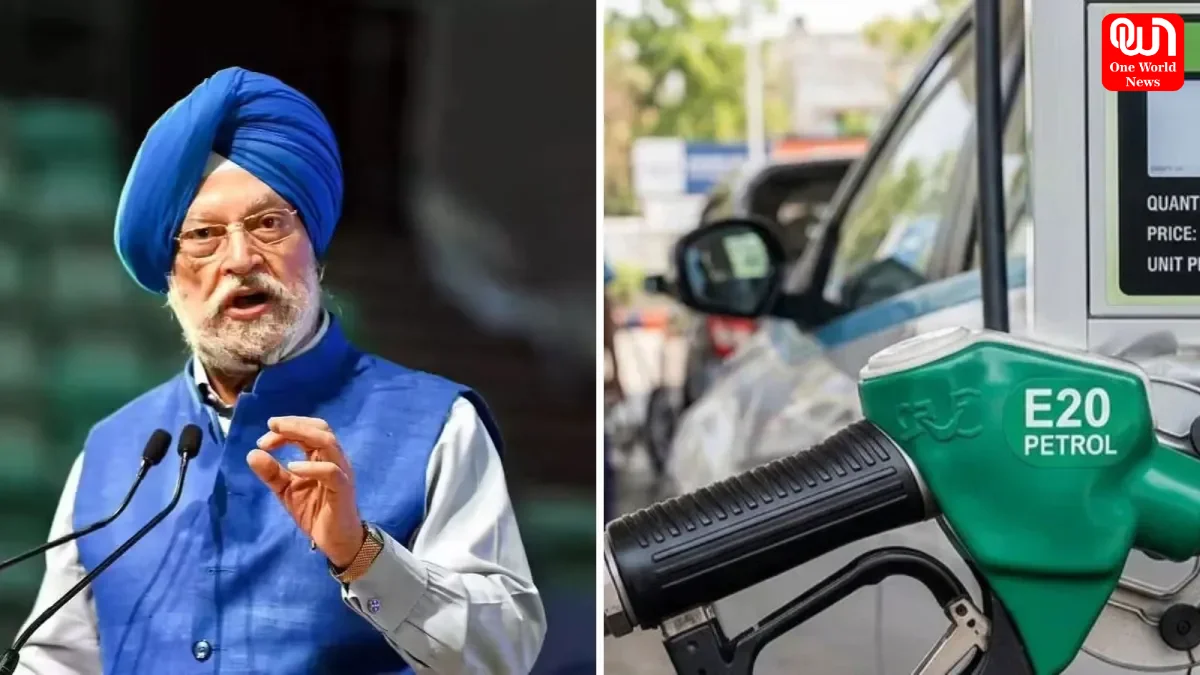
Petrol Would’ve Cost Rs 125/Litre In Delhi Without Ethanol Blending: How Ethanol Blending India, E20 Petrol, Crude Oil Prices, Nitin Gadkari and the Petroleum Ministry Are Shaping India’s Fuel Future
The Central Government has claimed that petrol prices in Delhi could have reached Rs 125 per litre during the recent global crude oil price surge if Ethanol Blending India had not been implemented. According to the petroleum ministry, the country’s ethanol blending programme acted as a cushion against rising international oil prices, helping consumers avoid a sharp increase in fuel prices.
The statement comes amid an ongoing debate over E20 petrol, its impact on vehicle performance, and concerns about mileage drop in older vehicles.
What Is Ethanol Blending India?
Ethanol Blending India is a government initiative where ethanol, a biofuel produced mainly from sugarcane, maize, and agricultural feedstocks, is mixed with petrol. The current target is to achieve 20% ethanol blending, commonly known as E20 petrol.
The programme aims to:
- Reduce India’s dependence on imported crude oil
- Improve energy security
- Lower carbon emissions
- Support Indian farmers through increased demand for agricultural products
Officials say the programme has become an important part of India’s long-term energy strategy.
Why Did the Government Say Petrol Could Have Reached Rs 125/Litre?
According to the petroleum ministry, when the Indian crude basket touched nearly $135 per barrel, retail petrol prices would have been significantly higher without ethanol blending.
Instead of crossing Rs 125 per litre, petrol in Delhi remained around Rs 94.77 per litre, partly because 20% of the fuel consisted of domestically produced ethanol purchased at stable prices, reducing dependence on volatile global oil markets.
The ministry described ethanol blending as an “energy insurance policy” that protects Indian consumers during international oil price shocks.
Role of E20 Petrol in Managing Fuel Prices
The rollout of E20 petrol has become one of India’s biggest fuel reforms in recent years.
Government officials believe that increasing ethanol content helps:
- Reduce petrol production costs during international oil price spikes
- Lower foreign exchange spent on importing crude oil
- Promote cleaner transportation
- Create additional income opportunities for farmers
While ethanol may not always be cheaper than petrol on a day-to-day basis, authorities argue that it helps stabilize fuel prices over the long term by reducing exposure to global market volatility.
Nitin Gadkari on E20 Petrol and Vehicle Performance
Union Minister Nitin Gadkari has defended the government’s ethanol blending programme, saying there is no verified evidence of widespread engine failures caused by E20 petrol.
However, he acknowledged that some vehicles may experience a mileage drop of approximately 2% to 6%, depending on driving conditions, maintenance, and vehicle design.
The minister also noted that most modern petrol vehicles are increasingly being designed to support higher ethanol blends.
What About BS-III Vehicles?
Concerns have been raised regarding the compatibility of BS-III vehicles and other older petrol vehicles with E20 fuel.
The government has clarified that there is no evidence suggesting these vehicles will become unusable due to ethanol blending. However, officials have stated that some BS-III vehicles may require replacement of certain rubber or fuel system components over time to ensure full compatibility with higher ethanol content.
Vehicle owners are advised to follow manufacturer recommendations and service guidelines when using E20 petrol.
Petroleum Ministry Responds to Criticism
The petroleum ministry has also rejected claims that ethanol production threatens India’s food security or survives only because of taxpayer subsidies.
According to the ministry:
- Only surplus food grains approved after meeting food security obligations are used.
- Damaged grain, broken rice, and other unsuitable food stocks are also utilized.
- India is expanding second-generation ethanol production using agricultural waste to reduce dependence on food grains.
The government maintains that the programme balances food security, farmer welfare, and energy security simultaneously.
Read more: Kulgam Attack: Agencies Zero In On LeT’s Latif, Probe Tactical Shift | Exclusive Details
Looking Ahead
The debate around Ethanol Blending India and E20 petrol is likely to continue as India moves toward cleaner and more sustainable fuels. While questions remain about mileage drop in certain vehicles and the long-term impact on BS-III vehicles, the government believes the programme has already demonstrated its value by protecting consumers from rising fuel prices caused by volatile crude oil markets.
With continued support from the petroleum ministry and policymakers including Nitin Gadkari, ethanol blending is expected to remain a key pillar of India’s energy strategy, helping reduce oil imports, strengthen energy security, and provide greater price stability for Indian consumers.
We’re now on WhatsApp. Click to join.
Like this post?
Register at One World News to never miss out on videos, celeb interviews, and best reads.