
Pakistan Took India To Arbitration Over Indus Waters Treaty Now, It’s Paying India’s Bill Too: What the Latest India Pakistan Water Dispute Means
Pakistan is reportedly paying India's arbitration costs in the Indus Waters Treaty dispute over Kishanganga and Ratle projects. Learn more.

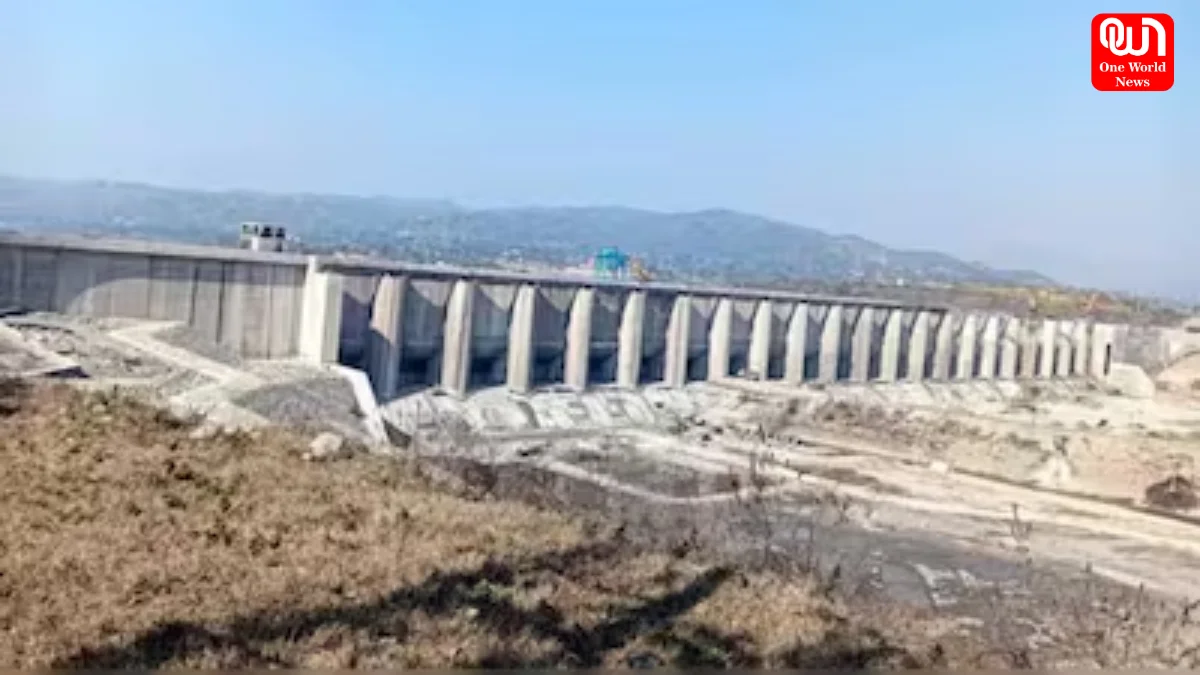
Pakistan Took India To Arbitration Over Indus Waters Treaty Now, It’s Paying India’s Bill Too: Understanding the Indus Waters Treaty, India Pakistan Dispute, International Arbitration, Permanent Court of Arbitration, Kishanganga, Ratle and Cross-border Terrorism
The long-running Indus Waters Treaty dispute between India Pakistan has taken another unexpected turn. Reports suggest that Pakistan is now bearing not only its own legal expenses but also India’s share of costs in the ongoing International arbitration process before the Permanent Court of Arbitration. The unusual situation comes after India decided to suspend its participation in the arbitration proceedings following heightened diplomatic tensions linked to Cross-border terrorism concerns.
This development has once again placed the Indus Waters Treaty at the center of international attention, raising questions about the future of one of the world’s most enduring water-sharing agreements.
What Is the Indus Waters Treaty?
The Indus Waters Treaty was signed in 1960 between India and Pakistan with the World Bank acting as a mediator. It governs the sharing of water from the six rivers of the Indus basin.
Under the treaty:
- India controls the eastern rivers—Ravi, Beas, and Sutlej.
- Pakistan receives most of the waters of the western rivers—Indus, Jhelum, and Chenab.
- India is permitted to develop run-of-the-river hydroelectric projects on the western rivers under specific design restrictions.
Despite several wars and diplomatic conflicts, the treaty remained operational for decades and has often been described as one of the most successful international water-sharing agreements.
Why Did Pakistan Seek International Arbitration?
The latest dispute revolves around India’s Kishanganga and Ratle hydroelectric projects.
Pakistan argued that certain design aspects of these projects violate provisions of the Indus Waters Treaty and could potentially affect downstream water flows. As a result, Pakistan initiated International arbitration through the Permanent Court of Arbitration under the treaty’s dispute-resolution mechanism.
India, however, has consistently questioned the jurisdiction of the arbitration court, maintaining that such technical disagreements should instead be handled by a Neutral Expert under the treaty.
Why Is Pakistan Paying India’s Share of the Costs?
The latest reports indicate that after India suspended its participation in the arbitration proceedings, Pakistan chose to continue the legal process.
Since the proceedings still require funding, Pakistan has reportedly paid both its own expenses and India’s share to ensure that the arbitration continues without interruption. According to reports, Pakistan has already covered more than $600,000 in costs associated with the proceedings.
While the move keeps the arbitration process active, it also highlights the unusual financial burden Pakistan has accepted in pursuit of the case.
India’s Position on the Arbitration Process
India has repeatedly stated that it does not recognize the jurisdiction of the Permanent Court of Arbitration in this dispute.
The Indian government has described the tribunal as “illegally constituted” and has rejected its rulings as having no legal effect from India’s perspective. Following the 2025 Pahalgam terror attack, India also announced that it would keep the Indus Waters Treaty in abeyance until Pakistan takes credible action against Cross-border terrorism.
This position has further complicated diplomatic efforts to resolve the dispute.
The Importance of the Kishanganga and Ratle Projects
Both the Kishanganga and Ratle hydroelectric projects are strategically important for India’s energy development in Jammu and Kashmir.
India maintains that both projects comply fully with the provisions of the Indus Waters Treaty and are designed as run-of-the-river projects, which are permitted under the agreement.
Pakistan, however, believes certain design features could give India greater control over water flows than allowed under the treaty, leading to the current legal disagreement.
What Could Happen Next?
The future of the India Pakistan water dispute remains uncertain.
While the Permanent Court of Arbitration continues its proceedings, India has maintained its decision not to participate. Pakistan, meanwhile, continues to pursue the legal route despite shouldering the financial burden of the arbitration process.
Experts believe that long-term stability will ultimately depend on diplomatic dialogue, technical cooperation, and mutual confidence-building between the two countries. Since water security is directly linked to agriculture, energy production, and regional stability, the outcome of this dispute could have significant implications for both nations.
Conclusion
The latest chapter in the Indus Waters Treaty dispute presents an unusual scenario where Pakistan, after initiating International arbitration, is reportedly paying both its own and India’s legal costs to keep the proceedings alive. At the heart of the disagreement are the Kishanganga and Ratle hydroelectric projects, differing interpretations of treaty provisions, and broader tensions between India Pakistan, including concerns related to Cross-border terrorism. As legal and diplomatic developments continue, the future of one of the world’s most significant water-sharing agreements will remain closely watched by the international community.
We’re now on WhatsApp. Click to join.
Like this post?
Register at One World News to never miss out on videos, celeb interviews, and best reads.