People Who Don’t Want Ethanol-Blended Fuel Can Buy 100% Petrol, But Pay More’: Nitin Gadkari
Nitin Gadkari says those avoiding Ethanol-Blended Fuel can choose 100% petrol at a higher price. Know its impact, benefits, and concerns.

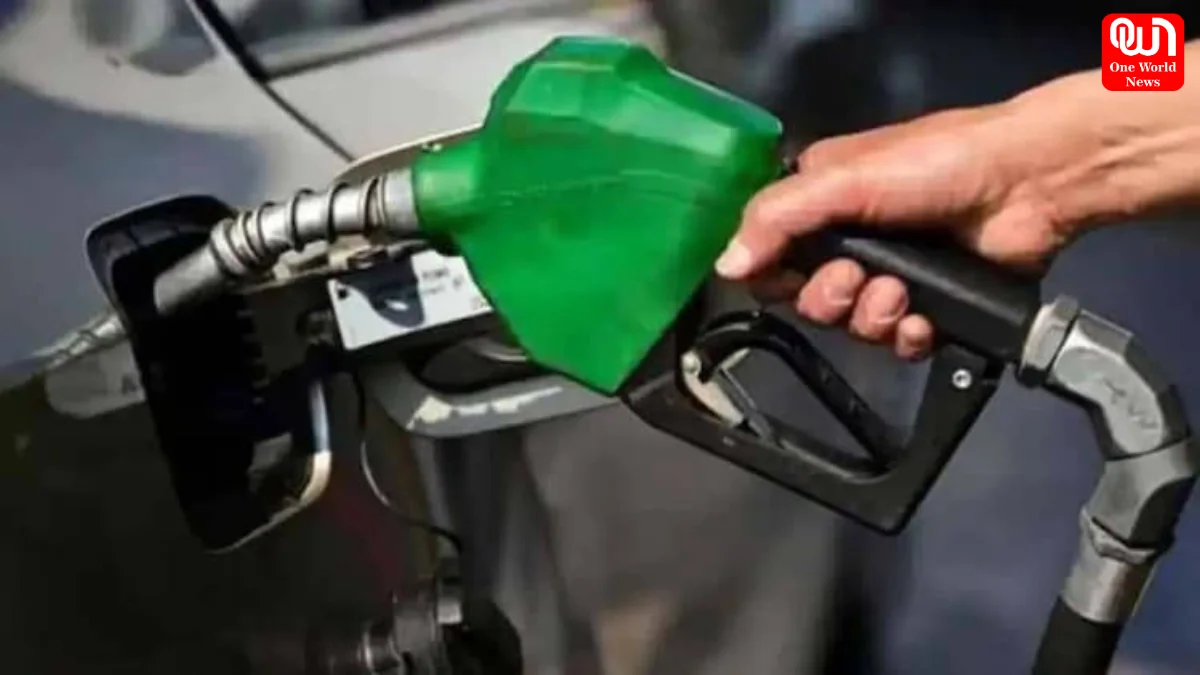
People Who Don’t Want Ethanol-Blended Fuel Can Buy 100% Petrol, But Pay More’: Nitin Gadkari Clarifies India’s Ethanol-Blended Fuel Policy and Consumer Choice
Union Road Transport and Highways Minister Nitin Gadkari has once again defended the government’s Ethanol-Blended Fuel initiative amid growing public debate. Addressing concerns over E20 petrol, Gadkari said that consumers who do not wish to use Ethanol-Blended Fuel can purchase 100% petrol if it is made available, but they should expect to pay a higher price for it. He emphasized that cleaner fuel alternatives come with long-term economic and environmental benefits, while pure petrol would naturally cost more because it lacks the cost-saving advantages of ethanol blending.
What Is Ethanol-Blended Fuel?
Ethanol-Blended Fuel is petrol mixed with ethanol, a renewable biofuel produced mainly from sugarcane, corn, and other agricultural feedstocks. India’s current E20 fuel contains 20% ethanol and 80% petrol. The government has been promoting ethanol blending to reduce dependence on imported crude oil, lower harmful emissions, and create additional income opportunities for Indian farmers.
The initiative is also a key part of India’s broader clean energy strategy, aiming to reduce fuel imports while encouraging sustainable fuel production across the country.
read more: SIR Form Step By Step Guide: What To Do If You Make A Mistake In SIR Form?
Why Did Nitin Gadkari Make This Statement?
The minister’s remarks came after criticism from motorists and opposition leaders who raised concerns about fuel efficiency, engine compatibility, and the lack of fuel choice. Gadkari acknowledged that some consumers prefer traditional petrol but argued that offering pure petrol alongside E20 would be more expensive.
According to him, ethanol blending reduces India’s massive oil import bill and supports domestic agriculture. He also stated that while E20 may result in a slight reduction in mileage because ethanol has lower energy content than petrol, the difference is relatively small for most drivers.
Benefits of Ethanol-Blended Fuel
The government continues to highlight several advantages of Ethanol-Blended Fuel, including:
- Reduced dependence on imported crude oil.
- Lower greenhouse gas emissions and cleaner air.
- Better support for Indian farmers through increased ethanol demand.
- Improved energy security for the country.
- Higher octane rating that can improve engine combustion in compatible vehicles.
Officials believe these long-term benefits outweigh the minor compromises in fuel economy reported by some users.
Concerns Raised by Vehicle Owners
Despite government assurances, Ethanol-Blended Fuel has sparked considerable debate. Some motorists have reported lower mileage, while owners of older vehicles remain concerned about compatibility with E20 petrol. Critics have also questioned whether every vehicle on Indian roads is designed to handle higher ethanol blends.
The government maintains that most newer vehicles are compatible with E20 fuel and has repeatedly stated that there is no conclusive evidence showing widespread engine damage caused by ethanol blending. However, discussions over consumer choice and fuel availability continue.
Will 100% Petrol Be Available?
At present, E20 petrol has become the standard fuel across India. While Gadkari suggested that people preferring pure petrol could buy it by paying more, government officials have also indicated that offering separate grades of petrol nationwide may not be practical due to infrastructure, logistics, and supply chain challenges. As a result, no nationwide rollout plan for regular 100% petrol has been announced.
read more: US Eases Tariff Threat On India: Russia Sanctions Bill Cuts Proposed Tariff From 500% to 100%
What This Means for Indian Consumers
For everyday vehicle owners, the focus remains on using the fuel recommended by their vehicle manufacturer. Owners of newer vehicles are generally expected to use E20-compatible fuel without major issues, while those with older vehicles should consult their owner’s manual or manufacturer regarding compatibility.
The debate surrounding Ethanol-Blended Fuel is likely to continue as India balances consumer preferences with its goals of reducing oil imports, cutting emissions, and strengthening energy security. Gadkari has made it clear that cleaner fuels remain central to the country’s future, even if consumers who want pure petrol may eventually have to pay a premium for that choice.
We’re now on WhatsApp. Click to join.
Like this post?
Register at One World News to never miss out on videos, celeb interviews, and best reads.