US Eases Tariff Threat On India: Russia Sanctions Bill Cuts Proposed Tariff From 500% to 100%
US Eases Tariff Threat On India as revised Russia sanctions bill reduces proposed tariffs from 500% to 100%, easing trade concerns.

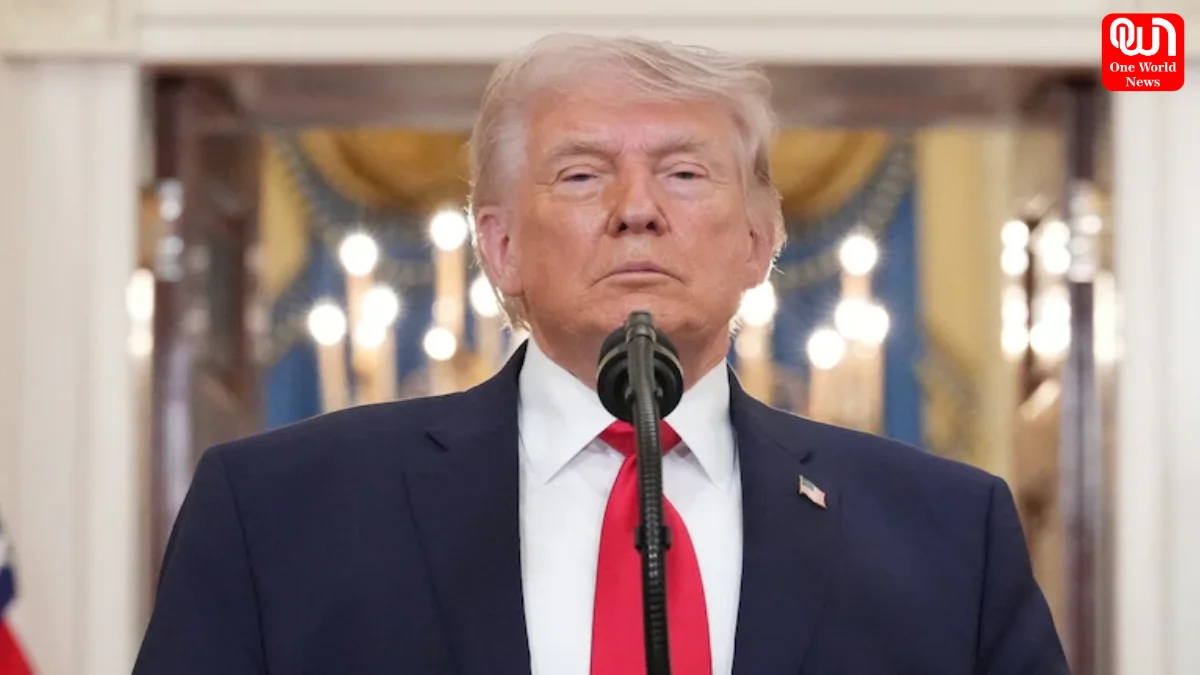
US Eases Tariff Threat On India as Revised Russia Sanctions Bill Lowers Proposed Tariffs From 500% to 100% for Major Buyers of Russian Oil
The US Eases Tariff Threat On India in a significant policy shift that could reduce trade tensions between Washington and New Delhi. A revised bipartisan Russia sanctions bill in the US Senate has lowered the previously proposed tariff on countries purchasing Russian oil from a staggering 500% to a maximum of 100%. The move is being viewed as a more balanced approach that continues to pressure Russia while avoiding severe economic consequences for major trading partners like India and China.
Why Was the Original 500% Tariff Proposed?
The initial version of the sanctions bill proposed imposing tariffs of up to 500% on countries that continued buying Russian oil, gas, and uranium. The objective was to reduce Russia’s energy revenue, which the United States believes supports Moscow’s military activities.
However, such an aggressive tariff proposal raised concerns among lawmakers, economists, and international trading partners. Countries like India and China, which have increased imports of discounted Russian crude in recent years, would have faced substantial economic pressure if the original proposal had moved forward.
US Eases Tariff Threat On India: What Has Changed?
The revised bill significantly softens the earlier proposal. Instead of an automatic 500% tariff, the legislation now allows tariffs of up to 100% on the largest importers of Russian crude oil.
The updated version also introduces greater flexibility by giving the US President authority to waive or adjust sanctions when doing so aligns with America’s national interest. This change reflects a more practical diplomatic strategy while maintaining pressure on Russia.
Read more: SIR Form Step By Step Guide: What To Do If You Make A Mistake In SIR Form?
Why India Was Concerned
India has become one of the world’s largest buyers of Russian crude oil since 2022. Purchasing discounted oil has helped India:
- Control domestic fuel prices.
- Manage inflation.
- Strengthen energy security.
- Reduce import costs.
A 500% tariff on Indian exports to the United States could have affected several sectors, including pharmaceuticals, engineering goods, textiles, auto components, and manufacturing. The revised proposal therefore comes as a welcome relief for businesses monitoring global trade developments.
Impact on India-US Trade Relations
The decision to revise the sanctions bill demonstrates that both countries continue to value their growing economic relationship.
India and the United States have expanded cooperation in areas such as technology, defense, manufacturing, clean energy, and investment. Reducing the proposed tariff from 500% to 100% lowers the immediate risk of a major trade disruption while allowing diplomatic discussions to continue.
Although the revised bill still includes the possibility of tariffs, it offers greater flexibility compared to the earlier proposal.
What Does This Mean for Global Oil Markets?
The revised legislation sends an important signal to global energy markets. Instead of introducing extremely harsh trade restrictions, US lawmakers appear to be balancing geopolitical objectives with economic realities.
Countries importing Russian oil may continue reviewing their energy strategies, while businesses involved in international trade will closely monitor any future implementation of the sanctions.
Global oil prices and shipping markets may also respond depending on how the legislation progresses through Congress and whether additional sanctions are introduced.
Could the Bill Change Again?
Yes. The Russia sanctions bill is still moving through the US legislative process and may undergo further revisions before becoming law.
Lawmakers could introduce additional amendments regarding:
- Tariff limits
- Presidential waiver authority
- Countries covered by the sanctions
- Enforcement mechanisms
- Energy-related exemptions
Businesses and investors should therefore continue monitoring official announcements from the US Senate and the White House.
Read more: One Indian Crew Member Killed, 6 Injured as Iran Strikes UAE Tankers in Strait of Hormuz
Final Thoughts
The decision to US Eases Tariff Threat On India by reducin
g the proposed tariff from 500% to 100% marks an important development in global trade and diplomacy. While the revised Russia sanctions bill continues to target Russia’s energy revenues, it adopts a more measured approach toward major oil-importing nations such as India and China.
Although uncertainty remains until the legislation is finalized, the latest revision reduces immediate concerns over severe trade disruptions. For India, this development provides temporary relief while reinforcing the importance of balancing energy security, international partnerships, and long-term economic interests.
We’re now on WhatsApp. Click to join.
Like this post?
Register at One World News to never miss out on videos, celeb interviews, and best reads.