
Autoimmune Disease vs Weak Immunity: What is the Difference?
Learn the difference between Autoimmune Disease vs Weak Immunity, including symptoms, causes, diagnosis, treatment, and ways to support immune health.

Autoimmune Disease vs Weak Immunity: What is the Difference? Symptoms, Causes, Diagnosis, and Treatment Explained
Many people assume that Autoimmune Disease vs Weak Immunity are the same thing because both involve the immune system. However, they are completely different medical conditions. An autoimmune disease occurs when the immune system mistakenly attacks healthy cells, while weak immunity means the immune system cannot effectively fight infections and harmful germs. Understanding the difference is important because the causes, symptoms, treatments, and long-term management vary significantly.
What Is an Autoimmune Disease?
An autoimmune disease develops when the body’s immune system mistakenly identifies healthy tissues as harmful invaders. Instead of protecting the body, the immune system attacks organs, joints, skin, or glands, leading to inflammation and tissue damage.
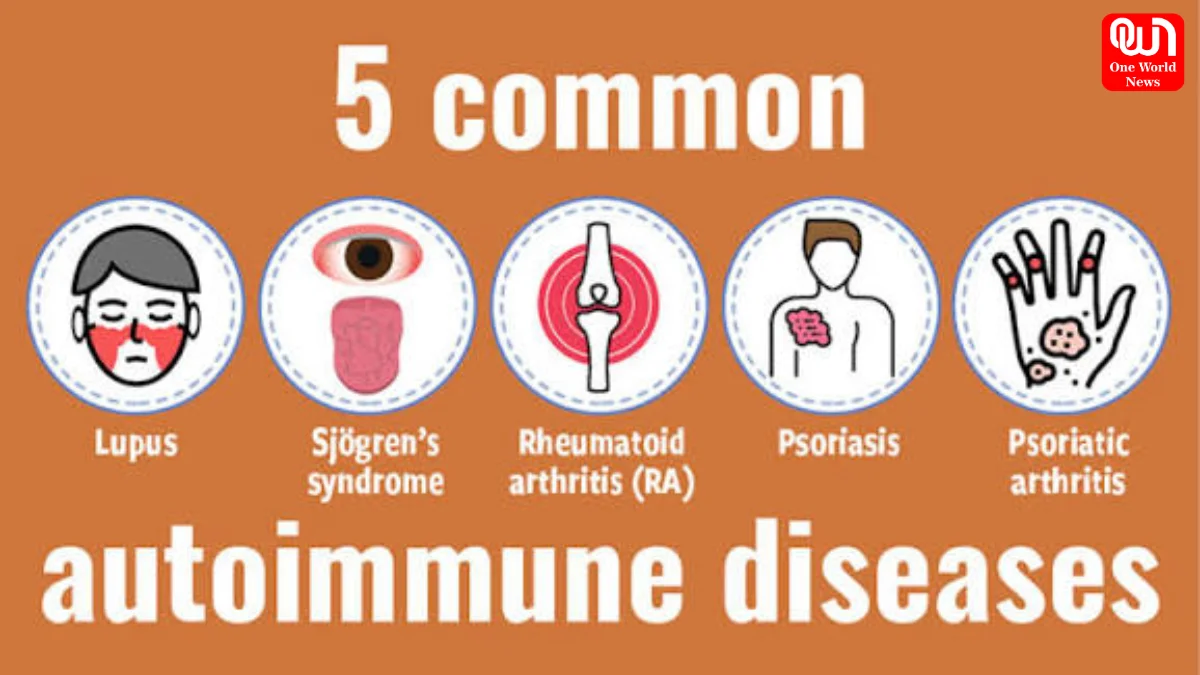
There are more than 80 known autoimmune diseases, including rheumatoid arthritis, lupus, multiple sclerosis, psoriasis, Hashimoto’s thyroiditis, and type 1 diabetes. Although the exact cause remains unknown, researchers believe genetics, infections, hormones, and environmental triggers all contribute to the development of autoimmune disorders.
What Is Weak Immunity?
Weak immunity, also known as an immunocompromised or weakened immune system, occurs when the body’s defense system cannot effectively fight bacteria, viruses, fungi, and other harmful microorganisms.
People with weak immunity tend to get infections more frequently, recover slowly, and may experience recurring illnesses. Weak immunity can result from medical conditions like HIV, cancer treatment, malnutrition, aging, diabetes, certain medications, or inherited immune disorders.
Autoimmune Disease vs Weak Immunity: Key Differences
Although both conditions affect the immune system, they function in opposite ways.
| Autoimmune Disease | Weak Immunity |
|---|---|
| Immune system attacks healthy body tissues | Immune system cannot fight infections effectively |
| Causes inflammation and tissue damage | Increases risk of infections |
| Immune response is overactive or misdirected | Immune response is underactive |
| Often requires immune-suppressing medications | May require treatments that support immune function |
| Examples include lupus and rheumatoid arthritis | Examples include primary immunodeficiency and medication-related immune suppression |
This comparison highlights why understanding Autoimmune Disease vs Weak Immunity is essential for proper diagnosis and treatment.
Common Symptoms
Symptoms of Autoimmune Disease
Symptoms depend on which organ is affected but commonly include:
- Persistent fatigue
- Joint pain and swelling
- Skin rashes
- Muscle weakness
- Digestive problems
- Hair loss
- Fever during flare-ups
Symptoms of Weak Immunity
People with weak immunity often experience:
- Frequent colds or infections
- Slow wound healing
- Recurrent sinus or lung infections
- Persistent fatigue
- Frequent stomach infections
- Repeated fungal infections
Since many symptoms overlap, medical evaluation is important for an accurate diagnosis.
Can You Have Both Conditions?
Yes. A person can have an autoimmune disease and also develop weak immunity. In many cases, the autoimmune disease itself is not causing weak immunity. Instead, medications used to treat autoimmune conditions—such as corticosteroids or other immunosuppressive drugs—reduce immune activity, making the person more vulnerable to infections.
Diagnosis
Doctors use different tests depending on the suspected condition.
For autoimmune diseases, diagnosis may include:
- Autoantibody blood tests
- Inflammatory marker tests
- Organ function tests
- Imaging studies
For weak immunity, healthcare providers may recommend:
- Complete blood count (CBC)
- Immunoglobulin level testing
- White blood cell evaluation
- Infection history assessment
- Specialized immune function tests
Early diagnosis allows for more effective treatment and helps reduce complications.
Treatment Options
Treatment varies depending on the diagnosis.
For autoimmune diseases, doctors often prescribe medications that reduce abnormal immune activity, manage inflammation, and relieve symptoms. Lifestyle changes such as stress management, balanced nutrition, regular exercise, and adequate sleep also play an important role.
For weak immunity, treatment focuses on identifying and addressing the underlying cause, preventing infections, maintaining vaccinations when appropriate, improving nutrition, and treating infections promptly. Some people may require immune-supportive therapies depending on their condition.
When Should You See a Doctor?
Seek medical advice if you experience:
- Frequent infections
- Unexplained joint pain
- Persistent fatigue
- Skin rashes that don’t improve
- Slow healing wounds
- Unexplained weight loss
- Ongoing fever or inflammation
Prompt medical evaluation can help determine whether your symptoms are related to Autoimmune Disease vs Weak Immunity or another health condition.
read more: Priyanka Chopra To Sreeleela, 5 Celebs Who Served Old-Money Aesthetic At Wimbledon 2026
Conclusion
Understanding Autoimmune Disease vs Weak Immunity helps clear up a common misconception. Autoimmune diseases occur when the immune system mistakenly attacks the body’s own tissues, while weak immunity means the immune system cannot adequately defend against infections. Although they involve the immune system, they are fundamentally different conditions with unique causes, symptoms, and treatments. If you experience ongoing immune-related symptoms, consult a qualified healthcare provider for proper testing and personalized care. Early diagnosis and appropriate treatment can significantly improve long-term health outcomes.
We’re now on WhatsApp. Click to join.
Like this post?
Register at One World News to never miss out on videos, celeb interviews, and best reads.